 1 citations
,
July 2020 in “Benha Journal of Applied Sciences”
1 citations
,
July 2020 in “Benha Journal of Applied Sciences” Trichoscopy is useful for diagnosing Frontal Fibrosing Alopecia.
 1 citations
,
May 2014 in “European Journal of Inflammation”
1 citations
,
May 2014 in “European Journal of Inflammation” A lotion with minoxidil, hydrocortisone butyrate, and 17a-estradiol can improve or stabilize Frontal Fibrosing Alopecia in some cases, but there's no universally-accepted treatment yet.
 September 2024 in “Drugs & Therapy Perspectives”
 Ritlecitinib effectively regrows hair in severe alopecia areata and is well tolerated.
10 citations
,
August 2019 in “European Journal of Dermatology” The document did not conclude on apremilast's effectiveness for severe alopecia areata.
November 2024 in “Actas Dermo-Sifiliográficas” N-acetylcysteine and memantine are recommended as safe and effective treatments for trichotillomania.
 May 2026 in “Scholars Journal of Medical Case Reports”
 Intralesional betamethasone and oral hydroxychloroquine improved hair loss in a woman with frontal fibrosing alopecia.
9 citations
,
February 2002 in “International Journal of Dermatology” The patient's symptoms improved with treatment but recurred when the steroid dose was reduced, requiring ongoing therapy.
173 citations
,
July 2012 in “British Journal of Dermatology” Dabrafenib can cause skin growths and sometimes low-grade skin cancer.
3 citations
,
November 2024 in “Clinical Research” Deuruxolitinib is FDA-approved for treating severe alopecia areata.
 11 citations
,
May 2023 in “Journal of Cutaneous Medicine and Surgery”
11 citations
,
May 2023 in “Journal of Cutaneous Medicine and Surgery” Plasma Rich in Growth Factors may help reduce hair loss in Frontal Fibrosing Alopecia.
21 citations
,
November 2018 in “Journal of the European Academy of Dermatology and Venereology” The combination of encorafenib and binimetinib caused few skin issues.
4 citations
,
April 2019 in “DOAJ (DOAJ: Directory of Open Access Journals)” 5-α-reductase inhibitors, intralesional steroids, and hydroxychloroquine are the most effective treatments for frontal fibrosing alopecia.
1 citations
,
June 1999 in “American Journal of Contact Dermatitis” Tazarotene gel is more effective for acne than tretinoin and works as well as adapalene.
 5 citations
,
January 2018 in “Annals of Dermatology”
5 citations
,
January 2018 in “Annals of Dermatology” A 308 nm excimer laser successfully treated a boy with a rare skin condition after about a year of weekly sessions.
46 citations
,
October 2018 in “JCI insight” CD8+ T cells are involved in alopecia areata and may cause disease relapse.
 July 2026 in “Current Issues in Molecular Biology”
 Plerixafor may help restore skin pigmentation safely.
109 citations
,
September 1999 in “Archives of Dermatology” Combining fluticasone propionate and UV-A is more effective for vitiligo than using either alone.
 8 citations
,
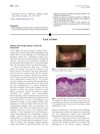
December 2008 in “Journal of The American Academy of Dermatology”
8 citations
,
December 2008 in “Journal of The American Academy of Dermatology” Finasteride can cause a unique skin reaction on the penile shaft.
 6 citations
,
January 2023 in “Medical Mycology Journal”
6 citations
,
January 2023 in “Medical Mycology Journal” Fosravuconazole effectively treated a woman's scalp infection without side effects.
July 2025 in “Materials Today Bio” TFC-loaded microneedles effectively promote hair regrowth in androgenetic alopecia.
 15 citations
,
April 2020 in “Intestinal Research”
15 citations
,
April 2020 in “Intestinal Research” FMT for ulcerative colitis may also help with weight loss, hair loss, arthritis, and allergies.
22 citations
,
May 2011 in “European Journal of Cancer” The drug combination was safe and showed promise in treating advanced tumors.
 5 citations
,
July 2019 in “Photodiagnosis and photodynamic therapy”
5 citations
,
July 2019 in “Photodiagnosis and photodynamic therapy” Using tacalcitol ointment with photodynamic therapy may effectively treat follicular mucinosis with scalp hair loss.
33 citations
,
March 1996 in “Veterinary Quarterly” Amitraz effectively treated ferrets with demodicosis without side effects.
 September 2023 in “Acta dermato-venereologica”
 Tofacitinib is a safe and effective treatment for hair loss in children with Alopecia Areata.
Flutamide effectively treats female pattern hair loss long-term with low doses being safe for the liver.
January 2026 in “Dermatologic Therapy” FOL100 lotion is safe and effective for increasing hair growth in men with male pattern baldness.
 1 citations
,
October 2020 in “Journal of Cosmetic Dermatology”
1 citations
,
October 2020 in “Journal of Cosmetic Dermatology” Using minoxidil and tofacitinib together can effectively treat severe hair loss.
3 citations
,
October 1994 in “Journal of Dermatological Science” The new antibody, TYHF-1, specifically targets certain hair-related structures.
 39 citations
,
July 2015 in “British Journal of Dermatology”
39 citations
,
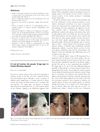
July 2015 in “British Journal of Dermatology” The pseudo 'fringe sign' can also appear in frontal fibrosing alopecia, not just in traction alopecia, showing that this condition may be more common than thought.