Poly-L-lactic acid injections can cause hair loss and skin issues.
 October 2024 in “International Journal of Biology Pharmacy and Allied Sciences”
 Herbal treatments are gaining interest as alternatives for hair loss.
 October 2024 in “Journal of Education Health and Sport”
 Alopecia areata treatment should be personalized, using topical or systemic therapies based on severity, with promising options like JAK inhibitors needing more research.
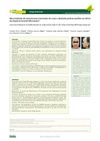 June 2024 in “BioSCIENCE”
 Microinfusion of methotrexate can help treat frontal fibrosing alopecia.

Monthly PRP therapy is more effective than daily minoxidil for alopecia areata.
 June 2024 in “International journal of nanomedicine”
 Azelaic acid micro/nanocrystals, especially with ultrasound and salicylic acid, greatly improve acne treatment.
 May 2024 in “Pakistan Journal of Health Sciences”
 Iron deficiency is linked to hair loss in CTE patients.
The mesenchymal stem cell secretome may effectively treat various diseases as an alternative to traditional stem cell therapies.
 May 2024 in “Journal of Education, Health and Sport”
 Current treatments for folliculitis decalvans include antibiotics, isotretinoin, and potential new therapies like botulinum toxin A and PRP.
 May 2024 in “International Seven Journal of Multidisciplinary”
 More research is needed to better understand and treat Fibrosing Frontal Alopecia.
 April 2024 in “Medical & clinical research”
 More research is needed to find the best long-term treatments for Alopecia Areata.
 April 2024 in “Dermatology and therapy”
 There are significant gaps and inconsistencies in diagnosing and treating alopecia areata in Greece and Italy.
 March 2024 in “Journal of Natural Remedies”
 An 18-year-old with hair loss saw hair regrowth after treatments combining microneedling, cupping, medication, and oil application.
 March 2024 in “Frontiers in medicine”
 PRP treatment can safely improve short-term vision in acute NAION patients.
 February 2024 in “International journal of biology, pharmacy and allied sciences”
 Plant-based treatments can effectively and safely treat hair loss.
 February 2024 in “International neuropsychiatric disease journal”
 Alopecia areata severely impacts quality of life, mental health, and work productivity.
 February 2024 in “Sohag Medical Journal”
 Various local treatments for alopecia areata show promise, but individualized plans and more research are needed.
 February 2024 in “PloS one”
 Tofacitinib and adalimumab are promising treatments for cicatricial alopecia with few side effects.
 January 2024 in “Archives of dermatological research”
 Both treatments for alopecia areata showed similar modest effectiveness.
Low-dose oral minoxidil is generally safe for treating hair loss, with mostly mild side effects.
 January 2024 in “Advances in Dermatology and Allergology”
 New treatments offer hope for better managing hidradenitis suppurativa.
 December 2023 in “International journal of research in dermatology”
 Adding PRP to topical mometasone improves and speeds up alopecia areata treatment.
 December 2023 in “EPRA international journal of multidisciplinary research”
 Alopecia areata causes sudden hair loss, has genetic links, and can be managed but not cured.
 November 2023 in “Research Square (Research Square)”
 Combining calcipotriol and PRP is most effective for treating Alopecia Areata.
 October 2023 in “Dermatology practical & conceptual”
 Pulse corticosteroids help regrow hair in alopecia areata but have side effects, especially betamethasone.
A rare case of a woman having both lichen planus pigmentosus and classic lichen planopilaris at the same time.
 August 2023 in “Clinical and experimental dermatology and therapies”
 Dupilumab may help hair regrowth in some patients with severe atopic dermatitis, but results vary.
Various treatments exist for hair loss, but no definitive solution.
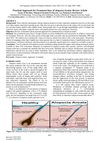 July 2023 in “The Egyptian Journal of Hospital Medicine ”
 The conclusion is that emotional support and a variety of treatments are important for alopecia areata, but more research is needed.
 July 2023 in “The Egyptian Journal of Hospital Medicine ”
 Alopecia areata is a hair loss condition caused by immune factors and can be treated with JAK inhibitors.