July 2019 in “Indian dermatology online journal” Alopecia areata can show unusual red-dotted vessels and dithranol treatment may mask typical patterns.
 4 citations
,
August 2005 in “Archives of Dermatological Research”
4 citations
,
August 2005 in “Archives of Dermatological Research” Higher p63 and CD34 levels found in specific scalp areas may affect hair loss progression.
June 2020 in “The journal of investigative dermatology/Journal of investigative dermatology” Hair follicle bumps with stem cells might contribute to permanent hair loss by getting disconnected due to scarring.
1 citations
,
November 2022 in “Journal of pharmaceutical negative results” Alopecia areata is an autoimmune condition causing patchy hair loss, with treatments focusing on immune system regulation and hair regrowth.
 9 citations
,
August 2018 in “Journal der Deutschen Dermatologischen Gesellschaft”
9 citations
,
August 2018 in “Journal der Deutschen Dermatologischen Gesellschaft” Most patients with frontal fibrosing alopecia are middle-aged women, often have thyroid disease, and some treatments can help stabilize the condition.
14 citations
,
January 2014 in “Indian Journal of Dermatology Venereology and Leprology” Frontal fibrosing alopecia can affect men's beards and leads to permanent hair loss.
32 citations
,
August 2016 in “Science Signaling” Alopecia areata patients show unique protein activity patterns, suggesting imbalanced signaling pathways.
 178 citations
,
December 2011 in “Journal of Dermatological Case Reports”
178 citations
,
December 2011 in “Journal of Dermatological Case Reports” Trichoscopy is a useful tool for diagnosing different hair and scalp diseases by their unique visual features.
October 2001 in “Journal of the American Academy of Dermatology” Topical minoxidil and anthralin work for patchy alopecia areata but not for alopecia totalis/universalis.
 January 2012 in “Yearbook of Dermatology and Dermatologic Surgery”
 The study concluded that a 'Swiss cheese' pattern in hair follicles is a useful sign for diagnosing alopecia areata.
January 2009 in “Revista de Ciências Médicas” Male pattern baldness is a genetic condition causing hair loss, with limited but improving treatment options.
 January 2025 in “TURKDERM”
 Alopecia areata incognito in children can be effectively treated with triamcinolone acetonide and supplements, leading to full hair regrowth.
2 citations
,
May 2014 in “PubMed” A 10-year-old boy was diagnosed with a rare scalp condition causing hair loss and treated with a topical cream.
 1 citations
,
May 2023 in “JAMA dermatology”
1 citations
,
May 2023 in “JAMA dermatology” Tight hairstyles can cause hair loss, which can be permanent if not treated early.
January 2012 in “The Year book of dermatology” October 2025 in “Nature Reviews Disease Primers” October 2025 in “Nature Reviews Disease Primers”  January 2012 in “Yearbook of Dermatology and Dermatologic Surgery”
 Alopecia areata is a hair loss condition that often starts before age 30 and can affect various body parts, with unpredictable hair regrowth chances.
 2 citations
,
May 2022 in “Journal of the American Academy of Dermatology”
2 citations
,
May 2022 in “Journal of the American Academy of Dermatology” The study concludes that Traction Alopecia is often overlooked in women and children of color, and better recognition and follow-up care are needed.
 April 2016 in “JAMA Dermatology”
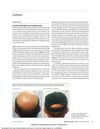
 Baseball caps don't fully protect bald spots on the back of the head from sun damage; wear wide-brimmed hats or use sunscreen.
 13 citations
,
April 1994 in “Journal of Investigative Dermatology”
13 citations
,
April 1994 in “Journal of Investigative Dermatology” Androgen receptors found in monkey scalps, similar to humans, affect hair growth.
13 citations
,
July 1973 in “Archives of dermatology” Tight cornrow braids may cause hair loss.
 1 citations
,
September 2020 in “Journal of Dermatological Science”
1 citations
,
September 2020 in “Journal of Dermatological Science” The gene LRRC15 is more active in balding areas of the scalp compared to non-balding areas.
April 2022 in “Journal of Investigative Dermatology” Androgenetic alopecia causes hair thinning due to increased androgen activity, treatable with minoxidil and finasteride.
 38 citations
,
January 2016 in “Indian Journal of Dermatology, Venereology and Leprology”
38 citations
,
January 2016 in “Indian Journal of Dermatology, Venereology and Leprology” Trichoscopy is useful for diagnosing different types of hair loss.
 June 2023 in “Research Square (Research Square)”
 Hair loss in male pattern baldness is linked to changes in immune cell behavior around hair follicles.
September 2024 in “Journal of Ethnopharmacology” Terminalia bellirica extracts effectively promote hair regrowth and treat androgenetic alopecia.
 12 citations
,
November 2019 in “PLoS ONE”
12 citations
,
November 2019 in “PLoS ONE” Male-pattern baldness is weakly linked to some heart disease risk factors but not a strong indicator for heart disease.