42 citations
,
January 2003 in “International Journal of Gynecological Pathology” PEH in vulvar LS is common and needs careful diagnosis to avoid confusion with cancer.
 March 2024 in “Residência Pediátrica”
 An infant developed excessive hair growth after a bone marrow transplant and cyclosporine treatment.
39 citations
,
February 2011 in “American Journal of Dermatopathology” Onychomatricoma is a unique nail tumor that mimics the entire nail unit and is not related to other hair-related tumors.
31 citations
,
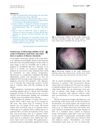
October 2018 in “Journal of the European Academy of Dermatology and Venereology” Trichoscopy effectively diagnoses eyebrow loss, distinguishing between alopecia areata and frontal fibrosing alopecia.
 15 citations
,
November 2016 in “Journal of The American Academy of Dermatology”
15 citations
,
November 2016 in “Journal of The American Academy of Dermatology” Exclamation mark hairs suggest early scalp disease, while white dots indicate it's chronic.
13 citations
,
February 1980 in “Journal of Cutaneous Pathology” Rubbing seborrheic keratoses causes specific skin changes and may link them to hair follicles.
 March 2025 in “Forum Dermatologicum”
 Trichoscopy is crucial for accurately diagnosing fibrosing alopecia in pattern distribution.
June 2024 in “Dermatopathology” A rare type of skin cancer on the scalp can be mistaken for hair loss, causing delayed diagnosis and severe damage.
January 2025 in “Surgical & Cosmetic Dermatology” Temporal triangular alopecia causes permanent hair loss and can be managed with treatments like minoxidil or hair transplantation.
1 citations
,
June 2023 in “Cosmoderma” Trichoscopy is better than the hair pull test for tracking alopecia areata.
 January 2025 in “Indian Dermatology Online Journal”
 Treatment reduced cystic lesions but didn't change existing Nevus Comedonicus.
April 2016 in “The journal of investigative dermatology/Journal of investigative dermatology” Neoplasms hide in hair follicles to avoid the immune system.
 8 citations
,
September 2016 in “The American Journal of Dermatopathology”
8 citations
,
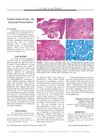
September 2016 in “The American Journal of Dermatopathology” Enlarged sweat gland ducts may indicate scarring hair loss.
5 citations
,
February 2025 in “Journal of Clinical Medicine” A new method improves alopecia diagnosis using non-invasive steps.
 January 2021 in “Nasza Dermatologia Online”
 Plica polonica is a rare condition where hair becomes irreversibly tangled, and the treatment is to cut the matted hair.
17 citations
,
October 2001 in “British Journal of Ophthalmology” Intralesional cidofovir might be a good alternative treatment.

Tumid lupus erythematosus can cause non-scarring hair loss on the scalp and requires careful diagnosis.
 5 citations
,
April 2015 in “HSOA journal of clinical dermatology & therapy”
5 citations
,
April 2015 in “HSOA journal of clinical dermatology & therapy” Triamcinolone acetonide mesotherapy may be effective for treating patchy hair loss in alopecia areata.
51 citations
,
August 2010 in “British journal of dermatology/British journal of dermatology, Supplement” Intralesional triamcinolone acetonide helps regrow eyebrows in patients with frontal fibrosing alopecia.
June 2015 in “Sonography” Ultrasound is effective for diagnosing scrotal cysts, and prompt treatment is crucial to prevent severe complications.
21 citations
,
January 2000 in “Fetal Diagnosis and Therapy” Prenatal diagnosis of trichothiodystrophy is possible in the second trimester using fetal eyebrow biopsy, with sulfur content analysis being more reliable.
 1 citations
,
July 2020 in “Benha Journal of Applied Sciences”
1 citations
,
July 2020 in “Benha Journal of Applied Sciences” Trichoscopy is useful for diagnosing Frontal Fibrosing Alopecia.
18 citations
,
November 1989 in “Clinical and experimental dermatology” Griseofulvin is the best treatment for severe scalp infection caused by Microsporum canis.
January 2026 in “Dermatologic Therapy” Alopecia is more common in younger women, and many patients also have thyroid issues, especially subclinical hypothyroidism.
4 citations
,
March 2024 in “International Journal of Surgery Case Reports” An 11-year-old boy with hair-eating habits needed surgery and psychiatric help.
 November 2023 in “International Journal of Trichology”
 Trichoscopic features help diagnose and assess female pattern hair loss severity, with inflammation playing a key role.
38 citations
,
November 1991 in “Archiv für Pathologische Anatomie und Physiologie und für Klinische Medicin” Keratins 8 and 14 can help identify and diagnose benign skin tumors.

This rare genetic disorder causes permanent hair loss and skin bumps from birth.
 December 2024 in “Indian Journal of Veterinary Public Health”
 Argentine-cross polo ponies commonly develop sarcoid tumors with distinct types and histopathological features.
84 citations
,
March 2002 in “The Journal of Dermatology” Steatocystoma multiplex is a skin condition starting around age 26, linked to hair follicles, and related to eruptive vellus hair cysts.