 September 2024 in “Archiv Euromedica”
 Trichoscopy is a quick, accurate, and non-invasive method to diagnose and treat non-scarring hair loss.
5 citations
,
September 2013 40 citations
,
November 1966 in “Archives of Dermatology” Trichorrhexis nodosa is mainly caused by hair trauma and improves with gentler hair care.
 37 citations
,
January 2017 in “International Journal of Dermatology”
37 citations
,
January 2017 in “International Journal of Dermatology” Trichoscopy helps tell apart alopecia areata and trichotillomania in Asians by looking at specific hair and scalp features.
 June 2025 in “International Journal of Molecular Sciences”
 Targeting EMT and fibrotic remodeling may help treat androgenetic alopecia.
 August 2021 in “Acta medica Philippina”
 A girl's hair loss was found to be caused by both a hair-pulling disorder and another hair loss condition.
 October 2025 in “Indian Dermatology Online Journal”
 Cultural practices can influence trichotillomania, requiring culturally sensitive treatment.
September 2021 in “CRC Press eBooks” Traumatic alopecia causes hair loss from pulling or rubbing, leading to broken hairs and changes in the scalp.
 April 2012 in “Informa Healthcare eBooks”
 Temporal triangular alopecia is a lifelong condition with hairless patches on the side of the head that may be present from birth.
10 citations
,
January 1995 in “Dermatology” Dermatologists should consider congenital syndromes like TRPS in young adults with early hair loss.
March 1999 in “Annals of the Academy of Medicine Singapore” Trichotillomania is a chronic condition where people uncontrollably pull out their hair, often needing medication and therapy for treatment.
 7 citations
,
January 2013 in “Dermatology Research and Practice”
7 citations
,
January 2013 in “Dermatology Research and Practice” Trichoscopy is a valuable tool for diagnosing and managing hair and scalp disorders.
1 citations
,
April 2018 in “Journal of Investigative Dermatology” The Trichodysplasia spinulosa virus protein can cause abnormal hair growth in mice.
Trichorrhexis nodosa causes hair to break easily, often affecting young to middle-aged black women.
 January 2022 in “Journal of Dermatology and Dermatologic Surgery”
 Trichoscopy is useful for quickly diagnosing different types of hair loss without needing biopsies.
19 citations
,
March 1999 in “PubMed” Trichotillomania is a chronic condition where people uncontrollably pull out their hair, often starting in childhood.
29 citations
,
February 1989 in “Journal of Cutaneous Pathology” A unique hair tumor with a rippled pattern was identified, showing incomplete differentiation and unusual cell arrangements.
 July 2021 in “Indian journal of dermatopathology and diagnostic dermatology”
 Trichoscopy is a reliable method for diagnosing hair and scalp disorders quickly and non-invasively.
19 citations
,
July 2004 in “Australasian Journal of Dermatology” Her hair grew back normally after she stopped rubbing it.
 November 2017 in “Pediatrics in Review”
 A 4-year-old girl with hair loss was diagnosed with early-onset trichotillomania and improved with behavioral interventions.
December 2025 in “Y HOC TP HO CHI MINH” The Trichoscope is a valuable tool for diagnosing and monitoring hair loss conditions.
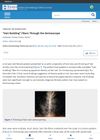 January 2018 in “Indian Dermatology Online Journal”
 Trichoscopy can help tell the difference between artificial hair fibers and other scalp artifacts.
 2 citations
,
February 2018 in “Journal of dermatology & cosmetology”
2 citations
,
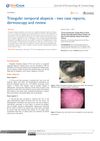
February 2018 in “Journal of dermatology & cosmetology” Triangular temporal alopecia is a benign hair loss pattern best diagnosed with dermoscopy, with limited treatment options like surgery and hair transplantation.
2 citations
,
July 2001 in “Dermatologic Surgery” Trichoblastic carcinoma may be a distinct type of skin cancer different from basal cell carcinoma.
 April 2016 in “Journal of The American Academy of Dermatology”
 The study found that Temporal Triangular Alopecia often starts in early childhood, mainly affects the left side of the scalp, and has no effective treatment except surgery.
29 citations
,
February 2019 in “Pediatric dermatology” Trichotillomania shows specific signs like black dots and uneven hair lengths but lacks certain features of alopecia areata.
January 2024 in “Revista del Centro Dermatológico Pascua” Avoiding damage and using specific shampoo and supplements improved the hair condition.
18 citations
,
March 2003 in “British journal of dermatology/British journal of dermatology, Supplement” Trichofolliculoma has specific cytokeratin patterns that help in its diagnosis.
4 citations
,
March 2016 in “Turkish Journal of Dermatology” Better understanding and using trichoscopy can improve hair disease diagnosis.
34 citations
,
January 1998 in “Archiv für Pathologische Anatomie und Physiologie und für Klinische Medicin” Trichoblastomas may mimic fetal skin development by having many Merkel cells, unlike adult skin.