13 citations
,
January 1985 in “International Journal of Dermatology” The document found differences in lesion distribution and microscopic features among trichostasis spinulosa and similar skin conditions.
8 citations
,
January 2014 in “Indian Dermatology Online Journal” Trichostasis spinulosa is a common but often unnoticed skin condition involving bundled vellus hairs, especially in people with darker skin or UV exposure.
26 citations
,
February 1991 in “PubMed” Trichotillomania can be identified by a "Friar Tuck sign" and nail-biting.
January 2011 in “Yearbook of Dermatology and Dermatologic Surgery” 10 citations
,
March 1997 in “Pediatric Dermatology” A rare case of trichothiodystrophy was found with autism, seizures, and mental retardation.
 3 citations
,
December 2001 in “Irish Journal of Psychological Medicine”
3 citations
,
December 2001 in “Irish Journal of Psychological Medicine” Trichotillomania is a challenging-to-treat impulse-control disorder where individuals pull out their hair, more common in females, with some treatments showing benefits.
 January 2007 in “Revista del Centro Dermatológico Pascua”
 A 2-year-old boy was diagnosed with a rare genetic condition causing fragile hair, intellectual issues, and short stature.
54 citations
,
November 1994 in “Differentiation” Trichohyalin is found in non-hair tissues and works with filaggrin in certain skin areas and conditions.
August 2025 in “Skin Appendage Disorders” Topical minoxidil can help improve hair in trichonodosis.
1 citations
,
April 2018 in “Journal of Investigative Dermatology” The Trichodysplasia spinulosa virus protein can cause abnormal hair growth in mice.
 6 citations
,
January 2020 in “Postepy Dermatologii I Alergologii”
6 citations
,
January 2020 in “Postepy Dermatologii I Alergologii” Trichoscopy is useful for diagnosing hair-pulling disorder.
 1 citations
,
January 2020 in “Skin appendage disorders”
1 citations
,
January 2020 in “Skin appendage disorders” A family was found with both Trichorhinophalangeal syndrome and Loose Anagen Syndrome, suggesting a genetic connection.
47 citations
,
November 1966 in “Archives of Dermatology” Trichorrhexis nodosa is mainly caused by hair trauma, not a metabolic defect.
46 citations
,
November 2007 in “Gene Expression Patterns” Trps1 plays a key role in hair follicle development and cycling.
1 citations
,
July 2025 in “Scientific Reports” CD133+ cells are crucial for hair growth.
214 citations
,
April 2017 in “Cell” Different small areas within hair follicles send specific signals that control what type of cells stem cells become.

Trichotillomania treatment is improving with behavior therapy and new drug approaches, but challenges like stigma and underdiagnosis remain.
 13 citations
,
October 2004 in “Anais Brasileiros De Dermatologia”
13 citations
,
October 2004 in “Anais Brasileiros De Dermatologia” The document concludes that compulsive hair disorders, like trichotillomania, are complex and require careful diagnosis and treatment from both psychiatric and dermatological perspectives.
66 citations
,
July 2010 in “Journal of Proteome Research” Trichohyalin may trigger the immune response causing alopecia areata.
2 citations
,
January 2012 Androgenetic alopecia is the only hair loss condition with specific diagnostic criteria in trichoscopy.
 January 2026 in “Indian Journal of Dermatopathology and Diagnostic Dermatology”
 Corkscrew hairs can help diagnose trichotillomania.
 September 2021 in “CRC Press eBooks”
 The document explains how trichoscopy can improve hair transplant results for patients with hair loss.
47 citations
,
July 2023 in “Nature Genetics” January 2020 in “Hair therapy & transplantation” Healthy hair and scalp depend on overall body health.
January 2022 in “Journal of clinical and diagnostic research” A rare skin bump with tiny hairs was successfully removed from a man's face.
 1 citations
,
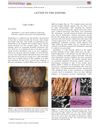
February 2018 in “Australasian journal of dermatology”
1 citations
,
February 2018 in “Australasian journal of dermatology” Advanced imaging techniques are crucial for accurately diagnosing Monilethrix, a rare hair disorder.
 December 2025 in “TURKDERM”
 Facial trichostasis spinulosa is a chronic condition with significant cosmetic impact, especially in young women.
28 citations
,
July 1980 in “British Journal of Dermatology” The hair disorder was caused by abnormal protein formation, making hair easily damaged.
 13 citations
,
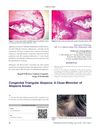
January 2011 in “International Journal of Trichology”
13 citations
,
January 2011 in “International Journal of Trichology” CTA is often mistaken for AA but doesn't respond to steroids and may require hair transplantation.
December 2025 in “Yassawi Journal of Health Sciences” Trichoscopy is essential for accurately diagnosing and differentiating types of hair loss.