 January 2026 in “Forum Dermatologicum”
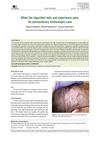
 Thorough hair examination is crucial for accurate diagnosis and treatment.
 5 citations
,
May 2013 in “The American Journal of Dermatopathology”
5 citations
,
May 2013 in “The American Journal of Dermatopathology” The author now believes tricholemmal carcinoma is a rare type of infundibular squamous cell carcinoma and more research is needed on these tumors.
 44 citations
,
August 2008 in “Archives of Dermatology”
44 citations
,
August 2008 in “Archives of Dermatology” Trichoscopy is a non-invasive way to diagnose hair and scalp problems without needing hair samples.
 42 citations
,
October 2012 in “Dermatologic Clinics”
42 citations
,
October 2012 in “Dermatologic Clinics” Trichoscopy is a useful tool for diagnosing different hair and scalp diseases without surgery.
Trichopigmentation is a non-invasive, reversible treatment for hair loss that offers natural-looking results for both men and women.
 7 citations
,
January 2013 in “Dermatology Research and Practice”
7 citations
,
January 2013 in “Dermatology Research and Practice” Trichoscopy is a valuable tool for diagnosing and managing hair and scalp disorders.
8 citations
,
April 2016 in “Experimental Dermatology” The type of tumor suppressor affects the form of skin cancer from hair follicle stem cells.
 80 citations
,
June 2000 in “Modern Pathology”
80 citations
,
June 2000 in “Modern Pathology” Long-standing benign tumors can become cancerous, especially in people with weakened immune systems.
 June 1995 in “Archives of Dermatology”
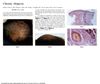
 A woman's hair loss was due to trichotillomania, which is often misdiagnosed and can require different treatments based on age and underlying conditions.
333 citations
,
March 2000 in “Proceedings of the National Academy of Sciences” Overexpressing GLI-1 in mice skin can cause tumors like human basal cell carcinomas.
4 citations
,
April 1989 in “The Journal of Dermatology” Trichohyalin granules help inner root sheath cells in hair follicles harden by integrating with keratin filaments.
October 2021 in “Indian Journal of Plastic Surgery” Trichoscopy helps hair transplant surgeons diagnose hair loss types and assess donor hair quality.
January 2026 in “Skin Appendage Disorders” The trichogram is a practical, non-invasive, and cost-effective tool for diagnosing female androgenetic alopecia.
February 2025 in “International Journal of Clinical & Experimental Dermatology” Trichotillomania in children is a sign of emotional distress needing tailored treatment and family support.
 January 2016 in “Elsevier eBooks”
 Trichoscopy is a key method for dermatologists to quickly and effectively diagnose hair and scalp conditions.
Tricholemmoma is linked to Cowden syndrome and can be benign or malignant.
 1 citations
,
September 2024 in “Indian Journal of Postgraduate Dermatology”
1 citations
,
September 2024 in “Indian Journal of Postgraduate Dermatology” Trichoscopy effectively diagnoses temporal triangular alopecia in children.
Trichoepithelioma and desmoplastic trichoepithelioma have distinct features that can be identified using reflectance confocal microscopy.
 September 2016 in “Journal of The American Academy of Dermatology”
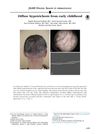
 The girl has a genetic hair condition causing thin hair since childhood.
1 citations
,
January 2008 121 citations
,
December 2001 in “American Journal of Dermatopathology” TB and BCC tumors show similar follicular differentiation patterns.
10 citations
,
January 1925 in “Archives of Dermatology” Trichostasis spinulosa is a rare skin condition with hair-filled plugs in hair follicles.
124 citations
,
December 1988 in “Differentiation” Trichocytic differentiation starts in cells with epithelial cytokeratins, transitioning to trichocytic cytokeratins in hair and gradually in nails.
 January 2018 in “Springer eBooks”
 Trichotillomania is a condition where people repeatedly pull out their hair, which can be triggered by stress and has various physical signs.
 July 2021 in “Indian journal of dermatopathology and diagnostic dermatology”
 Trichoscopy is a reliable method for diagnosing hair and scalp disorders quickly and non-invasively.
87 citations
,
January 1999 in “British Journal of Dermatology” Trichoblastic fibroma and basal cell carcinoma are similar but different from trichoepithelioma.
5 citations
,
March 2015 in “Indian Journal of Dermatology” Multiple trichofolliculomas can look like multiple trichoepitheliomas on the face.
April 2017 in “Journal of Dermatological Science” Asymmetric hair follicle differentiation causes the unique shape of kinky hair.
 January 1995 in “Skin Cancer”
 The outer root sheath in hair follicles changes during growth, with different keratinization processes in its layers.
Recognizing bamboo hair helps diagnose Netherton’s syndrome.