
The TrichoConcept™ line is effective for personalized hair loss treatments.
 2 citations
,
July 2008 in “Dermatologic Surgery”
2 citations
,
July 2008 in “Dermatologic Surgery” The Cross-section Trichometer is a promising tool for measuring hair characteristics without cutting the hair and may have various clinical uses.
 4 citations
,
February 1988 in “Journal of the American Academy of Dermatology”
4 citations
,
February 1988 in “Journal of the American Academy of Dermatology” Congenital triangular alopecia is more common than thought and some treatments can be beneficial for appearance concerns.
2 citations
,
July 2001 in “Dermatologic Surgery” Trichoblastic carcinoma may be a distinct type of skin cancer different from basal cell carcinoma.
2 citations
,
January 2012 Androgenetic alopecia is the only hair loss condition with specific diagnostic criteria in trichoscopy.
January 2026 in “Health Science Reports” Personalized hair care can help manage hair-focused repetitive behaviors.
 1 citations
,
May 2003 in “Archives of Pathology & Laboratory Medicine”
1 citations
,
May 2003 in “Archives of Pathology & Laboratory Medicine” The boy had trichotillomania, causing hair loss, and treatment focused on habit reversal and support.
May 2005 in “Hair transplant forum international” Trichotemnomania causes hair loss due to compulsive hair cutting or shaving.
 1 citations
,
February 2018 in “Australasian journal of dermatology”
1 citations
,
February 2018 in “Australasian journal of dermatology” Advanced imaging techniques are crucial for accurately diagnosing Monilethrix, a rare hair disorder.
 13 citations
,
August 2017 in “International Journal of Dermatology”
13 citations
,
August 2017 in “International Journal of Dermatology” Trichoscopy helps quickly identify autoimmune diseases on the scalp but should be used with other standard tests.
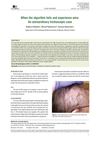 January 2026 in “Forum Dermatologicum”
 Thorough hair examination is crucial for accurate diagnosis and treatment.
 December 2024 in “Archiv Euromedica”
 Trichoscopy is essential for diagnosing and treating autoimmune cicatricial alopecia early.
4 citations
,
January 2013 in “International Journal of Trichology” Monilethrix has no effective treatment, but avoiding hair trauma helps manage it.
24 citations
,
August 2023 in “Journal of the American Academy of Dermatology” Trichoscopy helps diagnose and manage different types of hair loss effectively.
 January 2006 in “Journal of Rural Medicine”
 Trichotillomania is more common than previously thought, with increasing diagnosed cases.
 May 2022 in “European medical journal”
 An 11-year-old girl with a hair-pulling disorder had a hairball in her stomach and was treated with medication, therapy, and a team of doctors.

Removing follicular plugging is crucial for effective alopecia treatment.
 47 citations
,
October 2014 in “Expert Opinion on Emerging Drugs”
47 citations
,
October 2014 in “Expert Opinion on Emerging Drugs” New alopecia treatments aim for better results and fewer side effects.

Hair microscopy is a useful and affordable way to diagnose hair disorders.
 2 citations
,
January 2017 in “Journal of Cosmetics, Dermatological Sciences and Applications”
2 citations
,
January 2017 in “Journal of Cosmetics, Dermatological Sciences and Applications” TrichoTech™ may help hair growth and skin repair by increasing fibroblast growth and activity.
35 citations
,
September 2011 in “The Journal of Dermatology” Trichoscopy helps accurately diagnose temporal triangular alopecia.
 March 2021 in “Revista Medicina Cutánea Ibero-Latino-Americana”
 Trichoscopy helps diagnose scarring alopecia early and non-invasively.
 January 2023 in “International Journal of Pharmaceutical and Clinical Research”
 Follicular targeting could improve hirsutism treatment by focusing directly on hair follicles.
 4 citations
,
January 2011 in “International Journal of Trichology”
4 citations
,
January 2011 in “International Journal of Trichology” Accidental findings have led to new hair treatment discoveries, like using blood pressure and diabetes medications for hair loss and unwanted hair.
 April 2020 in “Trends in Immunotherapy”
 Combining triamcinolone acetonide and immunotherapy can help regrow hair in some alopecia totalis patients.
 2 citations
,
October 2015 in “Primary Care: Clinics in Office Practice”
2 citations
,
October 2015 in “Primary Care: Clinics in Office Practice” Doctors should diagnose hair loss by examining the patient and possibly doing tests, and then treat it based on the type, which may prevent permanent hair loss.
 December 2024 in “IntechOpen eBooks”
 Trichoscopy helps diagnose and track alopecia areata by examining specific hair and scalp markers.
January 2026 in “Skin Appendage Disorders” The trichogram is a practical, non-invasive, and cost-effective tool for diagnosing female androgenetic alopecia.
 December 2019 in “Дерматологія та венерологія”
 Trichoscopy is a useful tool for diagnosing hair and scalp disorders.
 55 citations
,
July 2016 in “Dermatologic Therapy”
55 citations
,
July 2016 in “Dermatologic Therapy” Multiple treatments work best for hair loss.