A six-year-old girl with extra hair on her elbows was treated with hair removal methods.
1 citations
,
January 2022 in “Clinical dermatology review” A young man's cheek papule was identified as a benign hair follicle tumor using a skin surface microscope.
2 citations
,
July 2001 in “Dermatologic Surgery” Trichoblastic carcinoma may be a distinct type of skin cancer different from basal cell carcinoma.
 37 citations
,
January 2017 in “International Journal of Dermatology”
37 citations
,
January 2017 in “International Journal of Dermatology” Trichoscopy helps tell apart alopecia areata and trichotillomania in Asians by looking at specific hair and scalp features.
 June 2022 in “IP Indian journal of clinical and experimental dermatology”
 A woman had a rare, non-cancerous skin growth on her face, which was removed and did not come back after a year.
108 citations
,
October 2003 in “Journal of biological chemistry/The Journal of biological chemistry” Trichohyalin makes hair follicles stronger.
 36 citations
,
August 2018 in “Dermatologic Clinics”
36 citations
,
August 2018 in “Dermatologic Clinics” Trichoscopy is a useful tool for diagnosing hair disorders without pulling out hair.
28 citations
,
July 1980 in “British Journal of Dermatology” The hair disorder was caused by abnormal protein formation, making hair easily damaged.
 November 2023 in “International Journal of Trichology”
 Trichoscopic features help diagnose and assess female pattern hair loss severity, with inflammation playing a key role.
10 citations
,
March 1997 in “Pediatric Dermatology” A rare case of trichothiodystrophy was found with autism, seizures, and mental retardation.
 65 citations
,
November 2004 in “Journal of the American Academy of Dermatology”
65 citations
,
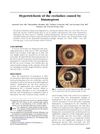
November 2004 in “Journal of the American Academy of Dermatology” Bimatoprost can cause excessive eyelash growth.
4 citations
,
January 2018 in “Indian dermatology online journal” Trichoscopy helped diagnose and cure a child's hair loss caused by a fungal infection.
February 2023 in “International Journal of Advanced Research” Trichoscopy is a cost-effective and non-invasive tool for diagnosing alopecia areata.
 6 citations
,
January 2015 in “Dermatology”
6 citations
,
January 2015 in “Dermatology” Trichoscopy helps diagnose hair and scalp problems but isn't always definitive and should be used with other methods.
 5 citations
,
October 2018 in “Dermatologic therapy”
5 citations
,
October 2018 in “Dermatologic therapy” Recognizing congenital triangular alopecia is crucial to avoid unnecessary treatments.
1 citations
,
January 2008 January 2022 in “Optometric clinical practice” A woman had a non-cancerous skin tumor on her eyelid removed successfully.
 96 citations
,
January 2013 in “International Journal of Trichology”
96 citations
,
January 2013 in “International Journal of Trichology” Trichoscopy is a useful, non-invasive way to diagnose different types of hair loss.
 September 2024 in “Indian Journal of Dermatology”
 Trichoscopy effectively diagnoses and assesses the severity of androgenetic alopecia.
March 2003 in “中華皮膚科醫學雜誌” Trichothiodystrophy causes unusual hair and developmental issues.
5 citations
,
May 2015 in “JRSM open” If a child is losing a lot of eyelashes and it keeps happening, doctors should look carefully at their health history because it might be a sign of a different health problem.
 7 citations
,
January 2013 in “Dermatology Research and Practice”
7 citations
,
January 2013 in “Dermatology Research and Practice” Trichoscopy is a valuable tool for diagnosing and managing hair and scalp disorders.
 June 2026 in “IP Indian Journal of Clinical and Experimental Dermatology”
 Trichoscopy is useful for diagnosing and monitoring male pattern hair loss.
 January 2016 in “Journal of Clinical Dermatology”
 Trichoscopy helps diagnose and assess the severity of two types of hair loss diseases, androgenetic alopecia and alopecia areata.
 86 citations
,
October 2013 in “Dermatologic Clinics”
86 citations
,
October 2013 in “Dermatologic Clinics” Trichoscopy is a useful non-invasive method for diagnosing different hair loss conditions.
 January 2026 in “Cosmoderma”
 A 9-year-old girl has a rare hair disorder causing beaded, sparse hair.
 5 citations
,
May 2008 in “Nature Precedings”
5 citations
,
May 2008 in “Nature Precedings” Trichoscopy is a useful non-invasive method to diagnose female hair loss with high accuracy.
 4 citations
,
February 2020 in “Journal of Cosmetic Dermatology”
4 citations
,
February 2020 in “Journal of Cosmetic Dermatology” Trichoscopy helps diagnose hairline recession causes in Egyptian women, with androgenetic alopecia being the most common.
 August 2017 in “Journal of evolution of medical and dental sciences”
 Trichoscopy is effective for diagnosing different types of non-scarring hair loss.

Trichoriboside treatment helps maintain scalp hair by increasing cAMP levels in hair follicles of men with hair loss.