11 citations
,
November 1996 in “Pediatric dermatology” Trichostasis spinulosa can look like acne but usually affects adults, not children.
24 citations
,
July 2009 in “Mycoses” A scalp infection was treated successfully, leading to full hair regrowth.
5 citations
,
February 2013 in “PubMed” An 11-year-old girl's hair loss was caused by a Cladosporium fungal infection, which was cured with itraconazole treatment.
January 2020 in “Hair therapy & transplantation” Healthy hair and scalp depend on overall body health.
 6 citations
,
July 2015 in “International Journal of Dermatology”
6 citations
,
July 2015 in “International Journal of Dermatology” Trichoepitheliomas can be hard to distinguish from other skin conditions and often start in teenage years.
1 citations
,
March 2023 in “Journal of the Turkish Academy of Dermatology” Temporal triangular alopecia may be linked to sebaceous nevus and shows a new pinkish background feature.
 June 2018 in “The Medical Journal of Cairo University/The Medical Journal of Cairo University”
 Dermoscopy can quickly and reliably distinguish Tinea Capitis from Alopecia Areata by identifying specific hair patterns.
7 citations
,
January 2012 in “International journal of trichology” Permanent hair removal with lasers may cure itchy black hair bristles on the back.
February 1988 in “Journal of the American Academy of Dermatology”  June 2021 in “International journal of research in dermatology”
 Shaving and avoiding brushing improved the patient's beard hair condition.
2 citations
,
October 1931 in “Archives of Dermatology and Syphilology” A rare scalp infection in a child developed into a kerion with additional skin symptoms.
 9 citations
,
November 2013 in “Dermatologic Surgery”
9 citations
,
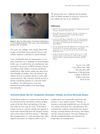
November 2013 in “Dermatologic Surgery” Hair transplant complications were likely due to deep graft placement and rough handling.
Asian patients show different trichoscopy features compared to Caucasians, like thicker hair and different alopecia signs.
7 citations
,
March 2004 in “Journal of the American Academy of Dermatology” Tiger tail banding and hair abnormalities are reliable indicators for diagnosing trichothiodystrophy.
April 2025 in “Asian Journal of Case Reports in Surgery” Trichilemmal carcinoma is a rare skin cancer that requires careful diagnosis and follow-up.
 July 2025 in “JOURNAL OF CLINICAL AND DIAGNOSTIC RESEARCH”
 Trichofolliculoma should be considered in children with scalp nodules for accurate diagnosis and treatment.
5 citations
,
March 1981 in “PubMed” A girl grew extra hair in areas where she had insect bites.
Trichoepithelioma and desmoplastic trichoepithelioma have distinct features that can be identified using reflectance confocal microscopy.
2 citations
,
June 2024 in “Skin Appendage Disorders” Trichoscopy helps diagnose frontal fibrosing alopecia in Caucasians, but more research is needed.
 January 2018 in “Springer eBooks”
 Trichotillomania is a condition where people repeatedly pull out their hair, which can be triggered by stress and has various physical signs.
30 citations
,
February 2015 in “Anais Brasileiros de Dermatologia” Trichoscopy is useful for diagnosing Netherton syndrome in children with skin issues.
 1 citations
,
February 2018 in “Australasian journal of dermatology”
1 citations
,
February 2018 in “Australasian journal of dermatology” Advanced imaging techniques are crucial for accurately diagnosing Monilethrix, a rare hair disorder.
71 citations
,
January 2011 in “Journal of cutaneous pathology” A rare skin condition was confirmed to be associated with a specific virus in a young girl.
March 2025 in “International Journal of Trichology” Trichodaganomania involves biting one's hair and needs combined psychological and medical treatment.
27 citations
,
August 2017 in “Anais Brasileiros de Dermatologia” N-acetylcysteine effectively treats trichotillomania.
June 2026 in “Journal of Clinical Practice and Medical Case Report.” Trichotillomania can mimic alopecia areata, requiring careful diagnosis and consideration of psychosocial factors in treatment.
 7 citations
,
January 1998 in “PubMed”
7 citations
,
January 1998 in “PubMed” Hair loss can cause scalp discomfort.
Trichoscopic examination is crucial for diagnosing congenital triangular alopecia.
 9 citations
,
January 2017 in “Annals of Dermatology”
9 citations
,
January 2017 in “Annals of Dermatology” The study found genetic differences related to hair development that may explain hair loss in a patient with Trichorhinophalangeal syndrome type I.
 74 citations
,
July 2008 in “Journal of Dermatological Case Reports”
74 citations
,
July 2008 in “Journal of Dermatological Case Reports” Trichoscopy is a quick and easy way to diagnose most genetic hair problems without invasive methods.