 13 citations
,
October 2004 in “Anais Brasileiros De Dermatologia”
13 citations
,
October 2004 in “Anais Brasileiros De Dermatologia” The document concludes that compulsive hair disorders, like trichotillomania, are complex and require careful diagnosis and treatment from both psychiatric and dermatological perspectives.
 3 citations
,
January 2022 in “Medical Mycology Journal”
3 citations
,
January 2022 in “Medical Mycology Journal” Malassezia fungi in healthy noses can form a "spaghetti-and-meatballs" structure.
 July 2024 in “International Journal of Dermatology Venereology and Leprosy Sciences”
 Trichoscopy is a useful, painless tool for diagnosing and monitoring children's hair and scalp issues.
 1 citations
,
September 2015 in “Clinics in Dermatology”
1 citations
,
September 2015 in “Clinics in Dermatology” The guide helps doctors diagnose hair problems by suggesting a thorough patient history, physical exams, and various diagnostic tools.
 March 2021 in “CRC Press eBooks”
 Trichoscopy helps tell apart Lichen planopilaris and Frontal fibrosing alopecia from other hair loss conditions.
 16 citations
,
January 2010 in “American Journal of Neuroradiology”
16 citations
,
January 2010 in “American Journal of Neuroradiology” Specific brain and bone imaging findings can help diagnose Trichothiodystrophy.
Tricholemmoma is linked to Cowden syndrome and can be benign or malignant.
July 2025 in “INTERNATIONAL JOURNAL OF SCIENTIFIC RESEARCH” Trichoscopy is crucial for diagnosing alopecia areata by identifying specific hair features.
January 1999 in “대한피부과학회지” Trichotillomania is more common in young females and often linked to stress and psychiatric conditions, with hair loss and increased catagen hair observed.
2 citations
,
May 2024 in “International Journal of Dermatology” April 1946 in “Archives of Dermatology” One child resisted treatment, while the other was successfully treated for scalp ringworm.
 October 2024 in “Dermatology Practical & Conceptual”
 Using dermoscopy improves diagnosis of scalp and hair disorders in children.
Trichoscopy is a useful tool for monitoring hair and scalp diseases.
 6 citations
,
January 2020 in “Postepy Dermatologii I Alergologii”
6 citations
,
January 2020 in “Postepy Dermatologii I Alergologii” Trichoscopy is useful for diagnosing hair-pulling disorder.
 March 2025 in “The Open Dermatology Journal”
 Trichorrhexis nodosa is common hair breakage, often due to styling, and new treatments are being explored.
 2 citations
,
July 2018 in “Elsevier eBooks”
2 citations
,
July 2018 in “Elsevier eBooks” Trichoscopy is a useful tool for diagnosing and managing hair and scalp conditions, often better than traditional methods.
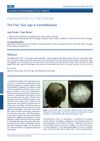 13 citations
,
June 2012 in “Journal of Dermatological Case Reports”
13 citations
,
June 2012 in “Journal of Dermatological Case Reports” An 8-year-old boy with hair-pulling disorder had a bald patch that was confirmed not to be a fungal infection and was treated with therapy.
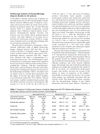 46 citations
,
January 2015 in “Journal of The American Academy of Dermatology”
46 citations
,
January 2015 in “Journal of The American Academy of Dermatology” Trichoscopy helps diagnose and assess the severity of Frontal Fibrosing Alopecia.
July 2025 in “International Journal of Trichology” Trichoscopy effectively diagnoses temporal triangular alopecia in children.
33 citations
,
February 2011 in “International Journal of Dermatology” Orange spots in scalp trichoscopy can help diagnose scalp sarcoidosis.
6 citations
,
January 2011 in “European Journal of Dermatology” It's important to consider genetic hair disorders when diagnosing hair loss.
December 2021 in “Pathologica” Trichogerminoma is a rare, benign skin tumor from hair cells, with a small risk of becoming cancerous.
 9 citations
,
January 2008 in “Medical mycology”
9 citations
,
January 2008 in “Medical mycology” A dog's skin infection caused by the fungus Chaetomium globosum was effectively treated with ketoconazole.
 2 citations
,
July 2015 in “The Open Dermatology Journal”
2 citations
,
July 2015 in “The Open Dermatology Journal” Trichoscopy is a tool for detailed examination of hair and scalp diseases.
2 citations
,
February 2013 in “Journal of the Saudi Society for Dermatology & Dermatologic Surgery” New hair spray caused a hair shaft disorder.
 June 2021 in “Scholars journal of applied medical sciences”
 Trichofolliculoma, a rare benign hair follicle tumor, can potentially recur.
February 2023 in “Zenodo (CERN European Organization for Nuclear Research)” Trichoscopy is a useful and affordable tool for diagnosing Alopecia areata.
 January 2026 in “Forum Dermatologicum”
 Thorough hair examination is crucial for accurate diagnosis and treatment.
53 citations
,
March 2006 in “Biopolymers” TTD hair is brittle due to fewer sulfur amino acids and unstable disulfide bonds.
 96 citations
,
January 2013 in “International Journal of Trichology”
96 citations
,
January 2013 in “International Journal of Trichology” Trichoscopy is a useful, non-invasive way to diagnose different types of hair loss.