Search
for
Sort by
Research
30-60 / 1000+ results
research Trichoscopy
Trichoscopy is a non-invasive way to diagnose hair and scalp problems without needing hair samples.
research When the algorithm fails and experience wins: An extraordinary trichoscopic case
Thorough hair examination is crucial for accurate diagnosis and treatment.
research Trichorrhexis Invaginata in Tinea Capitis: A Rare Occurence
Trichorrhexis invaginata can occur with tinea capitis, though it's rare.
research Trichoscopy
Trichoscopy is a useful tool for examining and monitoring hair and scalp conditions.
research Trichotillomania in Childhood: A Sign of Emotional Distress
Trichotillomania in children is a sign of emotional distress needing tailored treatment and family support.
research Patterned Trichoteiromania in Androgenetic Alopecia
Self-induced hair loss should be considered in patients with androgenetic alopecia.
research Diffuse hypotrichosis from early childhood
The girl has a genetic hair condition causing thin hair since childhood.
research Trichostasis spinulosa: An overlooked entity
Trichostasis spinulosa is a common but often unnoticed skin condition involving bundled vellus hairs, especially in people with darker skin or UV exposure.
research Trichotillomania associated with the "Friar Tuck sign" and nail-biting.
Trichotillomania can be identified by a "Friar Tuck sign" and nail-biting.
research Trichoscopy: A Useful Tool in Diagnosing Temporal Triangular Alopecia
Trichoscopy effectively diagnoses temporal triangular alopecia in children.
research Isolated hair loss on the eyebrow: five cases with trichoscopic features
Trichoscopy helps tell apart hair loss due to alopecia areata from trichotillomania in eyebrows.
research Evaluation of trichoscopic features in female pattern hair loss
Trichoscopy is a useful tool for diagnosing female pattern hair loss.
research Trichotillomania
Trichotillomania is a condition where people repeatedly pull out their hair, which can be triggered by stress and has various physical signs.
research Role of Trichoscopy in diagnosing Genotrichosis—A Report of Two Cases
Trichoscopy is crucial for diagnosing rare genetic hair disorders.
research Trichoscopy
Trichoscopy is a useful tool for diagnosing different hair and scalp diseases without surgery.
research Trichoscopy in alopecia areata and trichotillomania
Trichoscopy can reliably distinguish between alopecia areata and trichotillomania.
research A tricky case of hair loss in a child: Trichoscopy saves the day
Trichoscopy helped diagnose and cure a child's hair loss caused by a fungal infection.
research A case of familial trichomegaly with synophrys in association with loose anagen syndrome
A 17-year-old girl and her brothers have a rare hair condition with long eyelashes, thick eyebrows, and easily pluckable hair.

research Trichoscopy in hair disorders in darker skin: An approach to diagnosis
Trichoscopy is useful for diagnosing hair and scalp disorders in people with darker skin.
research Eyebrow alopecia: centrofacial trichoblastomatosis
Recognizing eyebrow hair loss linked to a rare skin condition is crucial for proper treatment.
research Trichoscopy in Hair Shaft Disorders
Trichoscopy is a useful tool for diagnosing hair disorders without pulling out hair.
research Temporal triangular alopecia: significance of trichoscopy in differential diagnosis
Trichoscopy is reliable for diagnosing Temporal Triangular Alopecia and can prevent unnecessary biopsies and wrong treatments.
research Trichoscopy in alopecias: Diagnosis simplified
Trichoscopy is a useful, non-invasive way to diagnose different types of hair loss.
research Isolated eyebrow and eyelash trichotillomania mimicking alopecia areata
Some children and young adults with eyebrow and eyelash hair loss actually have a hair-pulling disorder, often with related psychological issues.
research Traumatic Alopecia in Trichotillomania: a Pathogenic Interpretation of Histologic Lesions in the Pilosebaceous Unit*
Skin biopsy can help diagnose hair loss from trichotillomania.

research Trichoscopy I: Non-Cicatricial Alopecia
The document concludes that different patterns of hair thickness and scalp changes can help diagnose types of non-scarring hair loss.
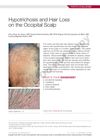
research Hypotrichosis and Hair Loss on the Occipital Scalp
A baby girl has a hair disorder called monilethrix, causing fragile hair that may improve over time.
research TRICHOSCOPY IN ALOPECIA AREATA : A SUPER TOOL FOR DIAGNOSIS
Trichoscopy is a cost-effective and non-invasive tool for diagnosing alopecia areata.
research 발모벽 환자의 임상 병리조직학적 관찰 및 동물 실험적 연구
Trichotillomania is more common in young females and often linked to stress and psychiatric conditions, with hair loss and increased catagen hair observed.