 8 citations
,
January 2008 in “Pediatric dermatology”
8 citations
,
January 2008 in “Pediatric dermatology” Hair gels may cause split ends in children.
6 citations
,
October 2006 in “International Journal of Dermatology” Hair splitting and nail detachment are linked conditions.
Fenugreek gel significantly reduces split ends and improves hair health.
 37 citations
,
January 2017 in “International Journal of Dermatology”
37 citations
,
January 2017 in “International Journal of Dermatology” Trichoscopy helps tell apart alopecia areata and trichotillomania in Asians by looking at specific hair and scalp features.
 33 citations
,
August 2005 in “The American Journal of Dermatopathology”
33 citations
,
August 2005 in “The American Journal of Dermatopathology” Both vertical and transverse sections are useful for diagnosing alopecia, but using both methods together is best.
29 citations
,
February 2019 in “Pediatric dermatology” Trichotillomania shows specific signs like black dots and uneven hair lengths but lacks certain features of alopecia areata.
 24 citations
,
January 2011 in “International Journal of Trichology”
24 citations
,
January 2011 in “International Journal of Trichology” Light microscopy is useful for diagnosing different hair disorders.
 16 citations
,
January 2015 in “Annals of Dermatology”
16 citations
,
January 2015 in “Annals of Dermatology” The study found specific hair and scalp patterns for different types of hair loss in Koreans, noting racial differences affect diagnosis.
15 citations
,
January 2011 in “International journal of trichology” Using a hot iron on wet hair can cause dry, brittle hair with air bubbles inside.
 8 citations
,
June 2021 in “Acta dermato-venereologica”
8 citations
,
June 2021 in “Acta dermato-venereologica” Trichoscopy is a reliable method for diagnosing hair-pulling disorder.
 6 citations
,
January 2020 in “Postepy Dermatologii I Alergologii”
6 citations
,
January 2020 in “Postepy Dermatologii I Alergologii” Trichoscopy is useful for diagnosing hair-pulling disorder.
2 citations
,
January 1987 in “PubMed” Woolly hair syndrome is a genetic condition causing frizzy, fragile hair.
 1 citations
,
July 2018 in “Elsevier eBooks”
1 citations
,
July 2018 in “Elsevier eBooks” Avoid chemical and physical damage to protect hair.
1 citations
,
April 2013 in “Pakistan Journal of Biological Sciences” Hair coloring, waving, and ironing cause more hair damage than not using these treatments.
 January 2026 in “Indian Journal of Dermatopathology and Diagnostic Dermatology”
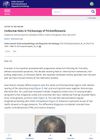
 Corkscrew hairs can help diagnose trichotillomania.
July 2025 in “Indian Dermatology Online Journal” Trichotillomania incognita can mimic hair loss patterns and requires careful diagnosis to avoid misdiagnosis.
July 2025 in “INTERNATIONAL JOURNAL OF SCIENTIFIC RESEARCH” Trichoscopy is crucial for diagnosing alopecia areata by identifying specific hair features.
 April 2023 in “Our Dermatology Online”
 Trichoscopy is effective in diagnosing trichotillomania by showing specific hair patterns.
 February 2022 in “International journal of research in dermatology”
 The document concludes that proper diagnosis and treatment of hair shaft disorders require understanding their unique causes and avoiding hair-damaging practices.
Hair dysplasias involve various hair disorders causing fragility, breakage, and poor hair adhesion.
 January 2015 in “Springer eBooks”
 Hair damage shows as fragility, dullness, and discoloration, varies by ethnicity, and is worsened by cosmetic procedures and diseases.
 May 2024 in “CRC Press eBooks”
 Children's hair loss can have various causes, including infections, autoimmune issues, physical stress, nutritional problems, and genetic factors.
December 2022 in “The Turkish Journal of Pediatrics” Hair examination helps diagnose rare neurological diseases in children.
86 citations
,
January 1996 in “Clinics in dermatology” Hair can be damaged by daily routines, but protein-based products can protect and improve it.
14 citations
,
May 1979 in “International Journal of Dermatology” Trichostasis spinulosa mainly affects the nose, with many tiny hairs in one follicle, possibly influenced by hormones and sunlight.
10 citations
,
January 1925 in “Archives of Dermatology” Trichostasis spinulosa is a rare skin condition with hair-filled plugs in hair follicles.
Trichoscopic examination is crucial for diagnosing congenital triangular alopecia.
1 citations
,
June 2016 in “Medicina” Monilethrix is a genetic disorder causing brittle hair, diagnosed using tricoscopy.
August 2025 in “Skin Appendage Disorders” Topical minoxidil can help improve hair in trichonodosis.
July 2025 in “Dermatology Practical & Conceptual” Hair changes and a high occipital hairline may help diagnose Trichorhinophalangeal Syndrome.