April 2022 in “Microbiology and Immunology” A specific DNA pattern in Malassezia restricta may be linked to hair loss in men.
June 2026 in “JAAD Case Reports” Scurvy, caused by vitamin C deficiency, can occur in people with restrictive diets and can be diagnosed by twisted hair shafts.
 2 citations
,
August 2020 in “Cosmetics”
2 citations
,
August 2020 in “Cosmetics” Herbal formula shows promise for hair loss treatment.
 July 2021 in “Australasian Journal of Dermatology”
 The trichoscopy-assisted hair pull test is useful for diagnosing different types of hair loss.
53 citations
,
March 2003 in “Journal of Investigative Dermatology” Human skin cells have a high-affinity system for biotin transport, crucial for skin health.
13 citations
,
September 2017 in “International Journal of Cosmetic Science” Thioglycerol treatment at pH 9.0 with ammonia causes less hair damage and better waving than thioglycolic acid.
 2 citations
,
January 2008 in “Journal of The American Academy of Dermatology”
2 citations
,
January 2008 in “Journal of The American Academy of Dermatology” Trichoscopy is a helpful and quick method to diagnose hair loss without shaving.
 46 citations
,
January 2015 in “Journal of The American Academy of Dermatology”
46 citations
,
January 2015 in “Journal of The American Academy of Dermatology” Trichoscopy helps diagnose and assess the severity of Frontal Fibrosing Alopecia.
 1 citations
,
August 2024 in “Journal of Cutaneous and Aesthetic Surgery”
1 citations
,
August 2024 in “Journal of Cutaneous and Aesthetic Surgery” 65% TCA improves acne scars more but has more side effects than 50% GA.
January 2022 in “Clinical Cases in Dermatology” The girl's hair loss is due to trichotillomania, which may improve with behavioral therapy or a combination of treatments.
2 citations
,
January 2011 Trichosanthes dioica R. leaves help hair grow better than minoxidil.
 October 2024 in “Dermatology Practical & Conceptual”
 Using dermoscopy improves diagnosis of scalp and hair disorders in children.
 51 citations
,
December 2003 in “The FASEB Journal”
51 citations
,
December 2003 in “The FASEB Journal” The substance AS101 can help hair grow by slowing down hair cell aging and boosting a hair growth protein.
 6 citations
,
January 2020 in “Postepy Dermatologii I Alergologii”
6 citations
,
January 2020 in “Postepy Dermatologii I Alergologii” Trichoscopy is useful for diagnosing hair-pulling disorder.
 April 2025 in “Dermatology Practical & Conceptual”
 UV-enhanced trichoscopy helps diagnose hair shaft disorders like pili annulati.
 August 2017 in “Journal of evolution of medical and dental sciences”
 Trichoscopy is effective for diagnosing different types of non-scarring hair loss.
 November 2022 in “Journal of Investigative Dermatology”
 The medicine Cyclosporin A might cause excessive hair growth by reducing a protein that controls hair growth.
February 2025 in “International Journal of Clinical & Experimental Dermatology” Trichotillomania in children is a sign of emotional distress needing tailored treatment and family support.
 January 2020 in “Journal of Cosmetics, Dermatological Sciences and Applications”
 TrichoxidilTM could be a promising new treatment for hair loss.
 2 citations
,
July 2021 in “JAAD Case Reports”
2 citations
,
July 2021 in “JAAD Case Reports” Trichoscopy of the beard is useful for diagnosing frontal fibrosing alopecia in men.
August 2024 in “Research Journal of Health Sciences” Normal scalp and hair characteristics in Black Africans include white dots and a honeycomb pattern.
 1 citations
,
December 2015 in “Dermatologic Surgery”
1 citations
,
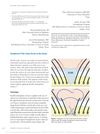
December 2015 in “Dermatologic Surgery” Double trichophytic closure effectively treats thin scalp scars and reduces patient costs.
September 2025 in “JID Innovations” Squaric acid dibutylester promotes hair growth by activating immune cells, especially macrophages.

An automated system can accurately classify hair disorders using image analysis.
10 citations
,
June 2021 in “Journal of Investigative Dermatology” 2 citations
,
September 2023 in “Journal of the European Academy of Dermatology and Venereology” Trichoscopy is a useful tool for diagnosing different types of female hair loss without needing a biopsy.
April 1996 in “Journal of Dermatological Science”  4 citations
,
March 2015 in “Skin Research and Technology”
4 citations
,
March 2015 in “Skin Research and Technology” Trichotillometry is a reliable method to measure hair strength and assess hair loss treatments.
4 citations
,
August 1991 in “The Journal of Dermatology” The tumor on the man's nose was a rare type called pedunculated follicular hamartoma.
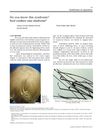
The document concludes that Loose Anagen Hair Syndrome is a benign condition where hair is thin and easily pulled out, often improving with age.