 7 citations
,
January 2013 in “Dermatology Research and Practice”
7 citations
,
January 2013 in “Dermatology Research and Practice” Trichoscopy is a valuable tool for diagnosing and managing hair and scalp disorders.
 6 citations
,
January 2020 in “Postepy Dermatologii I Alergologii”
6 citations
,
January 2020 in “Postepy Dermatologii I Alergologii” Trichoscopy is useful for diagnosing hair-pulling disorder.
 6 citations
,
January 2016 in “JAMA Dermatology”
6 citations
,
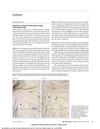
January 2016 in “JAMA Dermatology” Dirty dots are a common scalp finding in elderly women and can be washed away with shampoo.
6 citations
,
January 2019 in “Indian Journal of Dermatology, Venereology and Leprology” Low-cost dermoscopes can effectively diagnose early female pattern hair loss.
 6 citations
,
December 2018 in “Australasian Journal of Dermatology”
6 citations
,
December 2018 in “Australasian Journal of Dermatology” The Trichoscopy Derived Sinclair Scale offers a more accurate and reliable way to measure hair loss severity than the traditional visual method.
 6 citations
,
January 2015 in “Dermatology”
6 citations
,
January 2015 in “Dermatology” Trichoscopy helps diagnose hair and scalp problems but isn't always definitive and should be used with other methods.
5 citations
,
February 2025 in “Journal of Clinical Medicine” A new method improves alopecia diagnosis using non-invasive steps.
 5 citations
,
January 2018 in “Skin Research and Technology”
5 citations
,
January 2018 in “Skin Research and Technology” TrichoScan needs optimization as it underestimated hair density by 38.9% compared to manual counting.
5 citations
,
March 2023 in “Journal of the European Academy of Dermatology and Venereology” Trichoscopy can help identify systemic diseases, not just hair and scalp issues.
 5 citations
,
December 2018 in “Journal of The American Academy of Dermatology”
5 citations
,
December 2018 in “Journal of The American Academy of Dermatology” Some hair products can create false signs on scalp examinations, leading to wrong diagnoses.
4 citations
,
April 2024 in “Clinical Cosmetic and Investigational Dermatology” Trichoscopy helps distinguish between scalp Discoid Lupus Erythematosus and Lichen Planopilaris for accurate diagnosis and treatment.
 4 citations
,
May 2022 in “Frontiers in Medicine”
4 citations
,
May 2022 in “Frontiers in Medicine” About 11% of patients with secondary syphilis had Syphilitic Alopecia, which usually improved with treatment.
 4 citations
,
March 2021 in “Postepy Dermatologii I Alergologii”
4 citations
,
March 2021 in “Postepy Dermatologii I Alergologii” High-frequency ultrasonography can be a useful tool for diagnosing different stages of alopecia areata, a type of hair loss.
 4 citations
,
February 2020 in “Journal of Cosmetic Dermatology”
4 citations
,
February 2020 in “Journal of Cosmetic Dermatology” Trichoscopy helps diagnose hairline recession causes in Egyptian women, with androgenetic alopecia being the most common.
4 citations
,
March 2024 in “Journal of the American Academy of Dermatology” Clinical signs don't match inflammation levels in lichen planopilaris and frontal fibrosing alopecia.
 4 citations
,
February 2021 in “International Journal of Women's Dermatology”
4 citations
,
February 2021 in “International Journal of Women's Dermatology” Trichoscopy is a quick and reliable way to diagnose hair loss in women.
 4 citations
,
January 2019 in “Skin appendage disorders”
4 citations
,
January 2019 in “Skin appendage disorders” The new Follicular Map method could help assess hair treatment effectiveness but has some limitations.
4 citations
,
January 2018 in “Indian dermatology online journal” Trichoscopy helped diagnose and cure a child's hair loss caused by a fungal infection.
3 citations
,
January 2021 in “Medicinski arhiv” Trichoscopy, a hair loss evaluation technique, found that people with Androgenetic Alopecia have more thin hairs, yellow dots, and perifollicular discoloration than healthy individuals.
 3 citations
,
October 2021 in “Journal of Cosmetic Dermatology”
3 citations
,
October 2021 in “Journal of Cosmetic Dermatology” Trichoscopy helps tell apart Frontal Fibrosing Alopecia and Lichen planopilaris by showing different hair and scalp features.
 3 citations
,
January 2021 in “Skin appendage disorders”
3 citations
,
January 2021 in “Skin appendage disorders” Trichoscopy is useful for correctly diagnosing tinea capitis in adults with unexplained hair loss.
 3 citations
,
October 2020 in “Dermatology Practical & Conceptual”
3 citations
,
October 2020 in “Dermatology Practical & Conceptual” Bubble hair damage is caused by high heat from styling tools, and trichoscopy helps diagnose it.
 3 citations
,
January 2020 in “Clinical dermatology review”
3 citations
,
January 2020 in “Clinical dermatology review” Trichoscopy is useful for diagnosing hair and scalp disorders in people with darker skin.
2 citations
,
September 2025 in “JDDG Journal der Deutschen Dermatologischen Gesellschaft” AI can accurately diagnose and assess alopecia areata using scalp images.
2 citations
,
July 2024 in “Indian Journal of Dermatology” Adults with alopecia areata often have empty follicular openings, while children show more honeycomb pigment patterns.
2 citations
,
September 2023 in “Journal of the Egyptian Womenʼs Dermatologic Society” Exclamation mark hairs and broken hairs best indicate active alopecia areata.
2 citations
,
January 2023 in “Skin Appendage Disorders” More research is needed to confirm initial findings on hair loss patterns from chemotherapy.
 2 citations
,
July 2021 in “JAAD Case Reports”
2 citations
,
July 2021 in “JAAD Case Reports” Trichoscopy of the beard is useful for diagnosing frontal fibrosing alopecia in men.
 2 citations
,
January 2019 in “Dermatology Review”
2 citations
,
January 2019 in “Dermatology Review” Pigmented vellus and upright regrowing hairs predict hair regrowth in severe alopecia.
 2 citations
,
May 2018 in “Journal of The American Academy of Dermatology”
2 citations
,
May 2018 in “Journal of The American Academy of Dermatology” Hypothyroidism patients with hair loss typically have thinning hair, smaller hair follicles, and normal hair shedding.