 74 citations
,
July 2008 in “Journal of Dermatological Case Reports”
74 citations
,
July 2008 in “Journal of Dermatological Case Reports” Trichoscopy is a quick and easy way to diagnose most genetic hair problems without invasive methods.
 69 citations
,
January 2015 in “Current problems in dermatology”
69 citations
,
January 2015 in “Current problems in dermatology” Trichoscopy is a quick, noninvasive method to diagnose hair and scalp disorders, often reducing the need for biopsies.
 43 citations
,
August 2013 in “Pediatric Dermatology”
43 citations
,
August 2013 in “Pediatric Dermatology” Trichoscopy is good for diagnosing and monitoring hair and scalp problems in children but needs more research for certain conditions.
 42 citations
,
October 2012 in “Dermatologic Clinics”
42 citations
,
October 2012 in “Dermatologic Clinics” Trichoscopy is a useful tool for diagnosing different hair and scalp diseases without surgery.
 38 citations
,
January 2016 in “Indian Journal of Dermatology, Venereology and Leprology”
38 citations
,
January 2016 in “Indian Journal of Dermatology, Venereology and Leprology” Trichoscopy is useful for diagnosing different types of hair loss.
 36 citations
,
August 2018 in “Dermatologic Clinics”
36 citations
,
August 2018 in “Dermatologic Clinics” Trichoscopy is a useful tool for diagnosing hair disorders without pulling out hair.
 34 citations
,
April 2016 in “International Journal of Dermatology”
34 citations
,
April 2016 in “International Journal of Dermatology” Trichoscopy is a useful method for identifying primary cicatricial alopecias and their specific types.
 26 citations
,
September 2016 in “International Journal of Dermatology”
26 citations
,
September 2016 in “International Journal of Dermatology” Trichoscopy is good for telling apart tinea capitis and alopecia areata in kids.
19 citations
,
July 2019 in “Journal of Cosmetic Dermatology” A new tool can predict hair regrowth in patchy alopecia areata patients.
 16 citations
,
January 2015 in “Annals of Dermatology”
16 citations
,
January 2015 in “Annals of Dermatology” The study found specific hair and scalp patterns for different types of hair loss in Koreans, noting racial differences affect diagnosis.
 13 citations
,
August 2017 in “International Journal of Dermatology”
13 citations
,
August 2017 in “International Journal of Dermatology” Trichoscopy helps quickly identify autoimmune diseases on the scalp but should be used with other standard tests.
12 citations
,
January 2019 in “International Journal of Trichology” Trichoscopy is useful for detecting and monitoring androgenetic alopecia.
 10 citations
,
January 2015 in “Skin appendage disorders”
10 citations
,
January 2015 in “Skin appendage disorders” Low-cost videomicroscopes are not as reliable as standard videodermatoscopes for scalp examination due to lower image quality.
 9 citations
,
July 2020 in “Journal of Dermatology”
9 citations
,
July 2020 in “Journal of Dermatology” Asian patients with Frontal Fibrosing Alopecia often lose eyebrow hair and respond well to combined antiandrogen or antimalarial and topical treatments.
5 citations
,
February 2025 in “Journal of Clinical Medicine” A new method improves alopecia diagnosis using non-invasive steps.
 4 citations
,
February 2021 in “International Journal of Women's Dermatology”
4 citations
,
February 2021 in “International Journal of Women's Dermatology” Trichoscopy is a quick and reliable way to diagnose hair loss in women.
 4 citations
,
February 2020 in “Journal of Cosmetic Dermatology”
4 citations
,
February 2020 in “Journal of Cosmetic Dermatology” Trichoscopy helps diagnose hairline recession causes in Egyptian women, with androgenetic alopecia being the most common.
 3 citations
,
January 2020 in “Clinical dermatology review”
3 citations
,
January 2020 in “Clinical dermatology review” Trichoscopy is useful for diagnosing hair and scalp disorders in people with darker skin.
 1 citations
,
September 2024 in “Indian Journal of Postgraduate Dermatology”
1 citations
,
September 2024 in “Indian Journal of Postgraduate Dermatology” Trichoscopy effectively diagnoses temporal triangular alopecia in children.
 1 citations
,
March 2014 in “Turkderm”
1 citations
,
March 2014 in “Turkderm” Trichoscopy helps tell different hair loss types apart using specific scalp and hair patterns.
 April 2026 in “Research Square”
 Trichoscopy is reliable for diagnosing different types of frontal non-scarring hair loss.
 February 2026 in “Dermatology Reports”
 Trichoscopy helps diagnose and treat dissecting cellulitis early, preventing scarring.
October 2025 in “Pediatric Dermatology” UVFD helps quickly diagnose hair loss conditions in children.
Trichoscopy is a valuable tool for accurately diagnosing scalp conditions without invasive procedures.
 April 2025 in “Clinical Dermatology Review”
 Trichoscopy is effective for diagnosing hair and scalp disorders without invasive biopsies.
 March 2025 in “Forum Dermatologicum”
 Trichoscopy is crucial for accurately diagnosing fibrosing alopecia in pattern distribution.
 October 2024 in “Dermatology Practical & Conceptual”
 Using dermoscopy improves diagnosis of scalp and hair disorders in children.
 November 2023 in “International Journal of Dermatology”
 Trichoscopy helps tell apart other hair loss conditions from common hair loss.
 March 2023 in “Photodiagnosis and Photodynamic Therapy”
 Low vitamin D levels are linked to severe and active alopecia areata.
 March 2023 in “Journal of Cosmetic Dermatology”
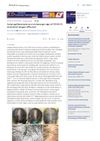
 Dilated scalp capillaries might be a sign of hair loss related to COVID-19.