 July 2025 in “Veterinarski arhiv”
 About 32.5% of stray cats in Bogor have a skin infection called Microsporum canis.
 1 citations
,
November 2017 in “Skin appendage disorders”
1 citations
,
November 2017 in “Skin appendage disorders” Ingrown hairs are a common feature in scarring alopecias due to follicular damage.
 1 citations
,
January 1995 in “Skin Cancer”
1 citations
,
January 1995 in “Skin Cancer” Immunohistochemistry helps accurately identify and differentiate malignant trichilemmoma.
 April 2020 in “Trends in Immunotherapy”
 Combining triamcinolone acetonide and immunotherapy can help regrow hair in some alopecia totalis patients.
 August 2025 in “Medical Scope Journal”
 The treatment improved hair growth and reduced scalp symptoms.
48 citations
,
April 2019 in “PloS one” Alopecia areata patients have more Propionibacterium acnes and less Staphylococcus epidermidis on their scalps.

Higher doses of prednisone and triamcinolone acetonide successfully treated 8 out of 10 alopecia totalis patients.
 January 2019 in “The Egyptian Journal of Hospital Medicine”
 Trichoscopy helps effectively tell apart different types of patchy hair loss in Egyptian patients.
31 citations
,
October 2018 in “Journal of the European Academy of Dermatology and Venereology” Trichoscopy effectively diagnoses eyebrow loss, distinguishing between alopecia areata and frontal fibrosing alopecia.
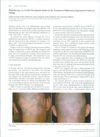 10 citations
,
January 2010 in “Acta dermato-venereologica”
10 citations
,
January 2010 in “Acta dermato-venereologica” Light therapy can effectively treat vitiligo and hair loss caused by a specific medication.
3 citations
,
January 1989 in “The Nishinihon Journal of Dermatology” A hair cyst can become cancerous, showing specific keratins from the hair sheath.
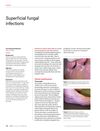 54 citations
,
October 2019 in “Australian Journal of General Practice”
54 citations
,
October 2019 in “Australian Journal of General Practice” Accurate diagnosis and treatment are crucial for managing superficial fungal infections, with terbinafine being the best oral treatment for nail infections.
January 2016 in “Indian dermatology online journal” The patient has frontal fibrosing alopecia (FFA).
53 citations
,
March 2006 in “Biopolymers” TTD hair is brittle due to fewer sulfur amino acids and unstable disulfide bonds.
32 citations
,
May 1986 in “Archives of Dermatology” The condition is likely inherited in an autosomal-dominant pattern.
 30 citations
,
March 2015 in “Journal of Dermatology”
30 citations
,
March 2015 in “Journal of Dermatology” Hair thickness differences help diagnose hair loss severity.
November 2025 in “Journal of Investigative Dermatology” Alopecia Areata may involve reduced antioxidant defenses in hair follicles, affecting stem cell function.
May 2025 in “Skin Appendage Disorders” Frontal fibrosing alopecia can be diagnosed by examining facial areas and treated with specific medications to stop its progression.
July 2012 in “International Journal of Trichology” Hair disorders are complex and varied, with diverse treatments available.
 January 2022 in “Clinical dermatology open access journal”
 Early-stage Alopecia Areata was effectively treated in less than six months.
November 2025 in “Journal of Investigative Dermatology” Chronic refractory alopecia areata has more skin-resident memory T cells, and JAK inhibitors may help reduce them.
54 citations
,
December 2004 in “PubMed” Cyclosporin A vesicles effectively regrow hair and reduce inflammation in alopecia areata.
9 citations
,
January 2013 in “International journal of trichology” 88% phenol is effective for treating alopecia areata.
2 citations
,
October 1974 in “Archives of Dermatology” The woman's skin condition persisted for 20 years despite treatments.
 March 2021 in “Revista Medicina Cutánea Ibero-Latino-Americana”
 Trichoscopy helps diagnose scarring alopecia early and non-invasively.
 3 citations
,
January 2019 in “International Journal of Research in Dermatology”
3 citations
,
January 2019 in “International Journal of Research in Dermatology” Fungal skin infections significantly lower patients' quality of life.
 1 citations
,
January 2023 in “Przegląd Dermatologiczny”
1 citations
,
January 2023 in “Przegląd Dermatologiczny” The Polish Society of Dermatology recommends treatments for alopecia areata that vary by severity, including topical and systemic medications, with long-term maintenance important for management.
February 2026 in “Journal of Advances in Biology & Biotechnology” Alopecia areata causes unpredictable hair loss and requires personalized treatment.
 May 2025 in “International Journal of Science and Research (IJSR)”
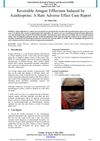
 Stopping azathioprine led to full hair regrowth and recovery in 2.5 months.
 February 2025 in “Dermatology and Therapy”
 Alopecia areata incognita causes sudden hair loss but usually improves with topical steroids.