 156 citations
,
September 2014 in “British journal of dermatology/British journal of dermatology, Supplement”
156 citations
,
September 2014 in “British journal of dermatology/British journal of dermatology, Supplement” Accurate diagnosis and effective oral treatment are key to managing tinea capitis and preventing its spread.
31 citations
,
February 2007 in “Journal of Structural Biology” Oxidation changes the structure of hair protein filaments, causing them to compact and rearrange.
 4 citations
,
May 2022 in “Frontiers in Medicine”
4 citations
,
May 2022 in “Frontiers in Medicine” About 11% of patients with secondary syphilis had Syphilitic Alopecia, which usually improved with treatment.
October 2023 in “Clinical and Experimental Dermatology” Syphilitic alopecia can look like alopecia areata, so careful diagnosis is important.
 21 citations
,
January 2013 in “Annals of dermatology/Annals of Dermatology”
21 citations
,
January 2013 in “Annals of dermatology/Annals of Dermatology” The combination of cyclosporine and PUVA might help treat severe alopecia areata.
Alopecia areata is an autoimmune disease that targets hair follicles.
127 citations
,
January 2000 in “Journal of Investigative Dermatology” Cytotoxic T cells cause hair loss in chronic alopecia areata.
37 citations
,
October 2010 in “JDDG Journal der Deutschen Dermatologischen Gesellschaft” Griseofulvin is the best treatment for tinea capitis in children, but more research is needed on other treatments and safety.

Combining systemic steroids and dithranol can effectively regrow hair in severe alopecia areata.
 19 citations
,
June 2007 in “Veterinary Dermatology”
19 citations
,
June 2007 in “Veterinary Dermatology” Amitraz effectively treated sarcoptic mange in three alpacas.
 November 2023 in “PubMed”
 Pentoxifylline is a safe and effective alternative to triamcinolone acetonide for treating localized alopecia areata.
10 citations
,
February 1993 in “International Journal of Cosmetic Science” Clove, olive, and turpentine oils stop fungi from penetrating hair.
May 2026 in “Case Reports in Dermatology” Switching immunosuppressants can improve hair regrowth and well-being in transplant patients experiencing hair loss.
22 citations
,
January 1992 in “PubMed” Higher CSF 5-HIAA levels may predict better response to serotonin re-uptake inhibitors in trichotillomania.
 5 citations
,
December 2018 in “Journal of The American Academy of Dermatology”
5 citations
,
December 2018 in “Journal of The American Academy of Dermatology” Some hair products can create false signs on scalp examinations, leading to wrong diagnoses.
3 citations
,
January 2011 in “International Journal of Trichology” Tinea capitis affects only a specific hair area, not deeper parts.
11 citations
,
March 2002 in “Pediatric Dermatology” Temporal triangular alopecia is a non-scarring hair loss seen in some Asian children.

Certain antiparasitics and antidepressants show promise for treating cryptococcosis, especially when combined with fluconazole.
 September 2021 in “CRC Press eBooks”
 Alopecia areata incognita causes sudden hair thinning, responds well to steroids, and is more common in those with genetic hair loss conditions.
 May 2023 in “Archiv EuroMedica”
 The article concludes that it's important to know how to identify and treat the rare hair disease black piedra, even in places where it's not usually found.
2 citations
,
February 2021 in “PubMed” Koilonychia in alopecia areata can improve with oral corticosteroids.
July 2026 in “International Journal of Advanced Biochemistry Research” The herbal spray is a safe, cost-effective alternative to conventional treatment for bovine skin fungus.
 January 2015 in “Turkiye Klinikleri Journal of Dermatology”
 Peripilar keratin casts are a helpful sign for diagnosing traction alopecia.
A 21-year-old with lichen planopilaris was successfully treated, stopping disease progression and preventing crusts.
October 2021 in “European Journal of Dermatology” CAL-PDT is safer and more effective for treating actinic keratosis on the scalp.
 8 citations
,
January 2020 in “International Journal of Trichology”
8 citations
,
January 2020 in “International Journal of Trichology” Different patterns on the scalp help diagnose types of hair loss without needing a biopsy.
 February 2025 in “Buletin Veteriner Udayana”
 Ivermectin and sulfur effectively treated the cat's scabies and sporotrichosis in 14 days.
 November 1996 in “Inpharma Weekly”
 Lotion with piroctone olamine and triclosan improves hair loss in men.
12 citations
,
January 2001 in “Der Hautarzt” Trichorhinophalangeal syndrome causes hair, facial, and bone issues, with no specific treatment beyond gentle care.
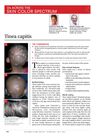 October 2022 in “The Journal of Family Practice”
 Tinea capitis is a scalp fungal infection in children that can cause hair loss, scaling, and other symptoms.