 8 citations
,
January 1998 in “Journal of Investigative Dermatology”
8 citations
,
January 1998 in “Journal of Investigative Dermatology” Topical estrogen treatments did not change hair growth in certain mouse strains, questioning previous findings on their role in hair growth control.
8 citations
,
January 2020 in “Indian Dermatology Online Journal” PRP works faster and is a safe alternative to steroids for treating alopecia areata.
 1 citations
,
July 2018 in “Journal of dermatology & cosmetology”
1 citations
,
July 2018 in “Journal of dermatology & cosmetology” Hyaluronic acid successfully treated skin atrophy caused by corticosteroid injections.
Onabotulinumtoxin-A effectively treated a painful scalp condition when other treatments failed.
 11 citations
,
March 2013 in “Journal of Applied Biomedicine”
11 citations
,
March 2013 in “Journal of Applied Biomedicine” β-catenin helps hair follicle stem cells grow by activating a specific cell pathway.
2 citations
,
December 2001 in “Dermatologic Therapy” Steroids may not work well for alopecia areata because of high unoccupied receptors and low thioredoxin levels.
 April 2023 in “Journal of Investigative Dermatology”
 ALRN-6924 can protect hair follicles from chemotherapy damage by temporarily stopping cell division.
 October 2024 in “Journal of Advanced Pharmaceutical Technology amp Research”
 Trigonelline nanocrystal cream effectively promotes hair growth and may reduce side effects.
May 2025 in “International Journal of Trichology” Topical tofacitinib may help regrow hair in children with alopecia totalis.
January 2026 in “Open MIND” Targeting the PIEZO1 and MLCK axis may offer a new treatment for hair loss.
June 2010 in “The Knowledge Bank (The Ohio State University)” Inhibiting retinoic acid activates WNT signaling, potentially aiding hair disorder and skin cancer treatments.
 5 citations
,
December 2011 in “Drug Research”
5 citations
,
December 2011 in “Drug Research” CB-03-01 is a promising skin cream for treating hormone-related skin problems without causing harmful body-wide effects.
December 2025 in “Actas Dermo-Sifiliográficas” Ritlecitinib is effective and safe for treating severe alopecia areata in people aged 12 and older.
 13 citations
,
November 2010 in “Experimental Dermatology”
13 citations
,
November 2010 in “Experimental Dermatology” Vitamin C derivative reduces hair loss-related protein in cells.
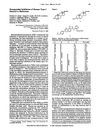 89 citations
,
February 1993 in “Journal of Medicinal Chemistry”
89 citations
,
February 1993 in “Journal of Medicinal Chemistry” New compounds called benzoquinolinones may treat conditions linked to excess DHT.
Retinoids or their analogs could treat skin pigmentation disorders like melasma and vitiligo.
May 2025 in “Actas Dermo-Sifiliográficas” Botulinum toxin is not effective for treating androgenetic alopecia.
Both treatments for localized alopecia areata are equally effective.
17 citations
,
October 2009 in “Dermatology” Ultraviolet light helped hair growth more effectively than triamcinolone acetonide.
15 citations
,
April 2011 in “The journal of investigative dermatology/Journal of investigative dermatology” A3B5 can reduce skin pigmentation and slow melanoma growth.
 September 2024 in “Skin Appendage Disorders”
 Tofacitinib helped a woman regrow her hair without relapses after other treatments failed.
 November 2022 in “Journal of Herbal Medicine”
 Certain compounds found in edible mushrooms may help treat hair loss.
4 citations
,
January 2020 in “PubMed” JAK inhibitors may become the first approved treatment for alopecia areata if they are proven safe and effective.
305 citations
,
March 2008 in “AJP Endocrinology and Metabolism” SSAT is a key enzyme affecting cell growth and metabolism, with potential but risky use in disease treatment.
56 citations
,
March 2003 in “Journal of Investigative Dermatology” 17β-estradiol can reduce inflammation in the skin.
1 citations
,
June 2021 in “Singapore Medical Journal” Dutasteride and finasteride can help increase hair growth gene expression but need further improvement.
A new topical treatment using micelles shows promise for safer and more effective hair regrowth in androgenetic alopecia.
38 citations
,
July 2020 in “EMBO journal” SIRT7 protein is crucial for starting hair growth in mice.
 March 2025 in “The FASEB Journal”
 Intense stress stops hair growth by halting hair follicle stem cell activity.