Search
for
Sort by
Research
870-900 / 1000+ resultsresearch Dutasteride-loaded nanostructured lipid carrier for androgenic alopecia treatment - An in vivo study.
Nanostructured lipid carriers can improve androgenic alopecia treatment by reducing dutasteride dosage and maintaining its presence in hair follicles longer.
research Influence of Chronic Restraint Stress on Anagen Stage in Skin of Mouse
Chronic stress delays hair growth in mice, but antioxidants can help reverse this.
research Bimatoprost potentiates hair growth via Akt/Wnt/β-catenin signaling by targeting the KATP channels
research EGFR: stopping stathmin to start the cycle
EGFR helps hair follicles transition properly by controlling Stathmin levels.
research Trichothiodystrophy
Trichothiodystrophy is a condition with brittle hair and various physical and mental issues due to low sulfur in proteins.
research Minoxidil niosome loaded dissolving microneedle delivery system for treatment of DHT induced androgenic alopecia in C57BL/6 Mice
research THERAPEUTIC HOTLINE: Effectiveness of the association of cetirizine and topical steroids in lichen planus pilaris - an open-label clinical trial
Combining cetirizine and topical steroids can effectively manage severe lichen planus pilaris.
research The effect of proteolytic enzymes on hair follicles of transgenic mice expressing the lac Z-protein in cells of the bulge region
Proteolytic enzymes damaged hair follicle stem cells in transgenic mice.
research The α-Lipoic acid derivative sodium zinc dihydrolipoylhistidinate reduces chemotherapy-induced alopecia in a rat model: A pilot study
A substance called sodium zinc dihydrolipoylhistidinate can significantly reduce hair loss caused by chemotherapy in rats.
research 591 Chromatin architectural protein CTCF regulates terminal keratinocyte differentiation in the developing epidermis and hair follicles
CTCF protein is essential for skin and hair follicle development in mice.
research BH06 (P075) A randomized controlled trial comparing the efficacy and safety of oral tofacitinib vs. methotrexate in moderate-to-severe alopecia areata
Tofacitinib is more effective than methotrexate for treating moderate-to-severe alopecia areata.
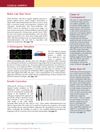
research Clinical Snippets
Some cells may slow melanoma growth, a protein could affect skin pigmentation, a gene-silencing method might treat hair defects, skin bacteria changes likely result from eczema, and a defensin protein could help treat multiple sclerosis.

research DKK1-targeting cholesterol-modified siRNA implication in hair growth regulation
Blocking DKK1 with siRNA can improve hair growth.
research Topical tofacitinib for patients with lichen planopilaris and/or frontal fibrosing alopecia
Topical tofacitinib cream may help treat certain hair loss conditions with fewer risks.
research 711 Small molecule wnt pathway inhibitor (SM04755) as a potential topical psoriasis treatment
SM04755 may be an effective topical treatment for psoriasis.

research mTORC1 activity negatively regulates human hair follicle growth and pigmentation
High mTORC1 activity slows hair growth and causes it to lose color.
research Hair-specific expression of chloramphenicol acetyltransferase in transgenic mice under the control of an ultra-high-sulfur keratin promoter.
The study showed that a specific DNA sequence can control gene expression in hair growth areas of mice.
research Enhancement of Intermittent Androgen Ablation Therapy by Finasteride Administration in Animal Models
Finasteride may improve prostate cancer therapy by enhancing testosterone's benefits and reducing risks.
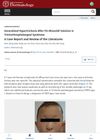
research Generalized hypertrichosis after 5% minoxidil solution in trichorhinophalangeal syndrome: A case report and review of the literatures
5% minoxidil can significantly increase hair growth in TRPS patients.
research Nanoliposomal Co-Delivery of AR-PROTAC and NFKBIZ siRNA for Synergistic Therapy of Androgenetic Alopecia
A new treatment using nanoliposomes can improve hair regrowth in androgenetic alopecia.
research The effect of topical finasteride in treatment of idiopathic hirsutism
research 046 Analysing the mechanistic basis of Ritlecitinib’s therapeutic effects in Alopecia Areata
Ritlecitinib effectively treats severe Alopecia Areata by reducing harmful immune activity in the skin.
research Comparative study of intralesional steroid versus intralesional vitamin D3 in patients with alopecia areata
Both steroid and vitamin D3 treatments are safe and effective for patchy alopecia areata, with steroids showing slightly better results.
research Chitosan nanoparticles for targeting and sustaining minoxidil sulphate delivery to hair follicles
Chitosan nanoparticles improve minoxidil delivery to hair follicles for better alopecia treatment.

research Efficacy of Ozonated Olive Oil as a Topical Treatment for Dermatophytosis Caused by T. mentagrophytes in Rat Model
Ozonated olive oil may effectively treat fungal skin infections.
research Testing Chemotherapeutic Agents in the Feather Follicle Identifies a Selective Blockade of Cell Proliferation and a Key Role for Sonic Hedgehog Signaling in Chemotherapy-Induced Tissue Damage
Blocking Sonic Hedgehog signaling may help manage hair loss from chemotherapy.
research Translational Positioning of Janus Kinase (JAK) Inhibitors in Alopecia Areata
JAK inhibitors may help treat Alopecia Areata but need careful monitoring due to side effects.
research Dermatologic therapy: December 1986 to December 1987
Various dermatologic treatments were effective for skin conditions like acne, rosacea, hair loss, and psoriasis from December 1986 to December 1987.
research Antiepileptogenic effects of trilostane in the kainic acid model of temporal lobe epilepsy
Trilostane may help delay epilepsy development by increasing certain brain chemicals.