35 citations
,
September 2011 in “The Journal of Dermatology” Trichoscopy helps accurately diagnose temporal triangular alopecia.
 245 citations
,
March 2012 in “Journal of The American Academy of Dermatology”
245 citations
,
March 2012 in “Journal of The American Academy of Dermatology” Dermatoscopy is useful for identifying different hair and scalp conditions and can reduce the need for biopsies.
 89 citations
,
March 2018 in “The Journal of Dermatology”
89 citations
,
March 2018 in “The Journal of Dermatology” Trichoscopy helps diagnose and monitor alopecia areata by looking at a combination of specific hair and scalp features.
 30 citations
,
March 2010 in “European Journal of Dermatology”
30 citations
,
March 2010 in “European Journal of Dermatology” Hair loss in elderly women is often caused by various factors, including hormonal changes after menopause.
 6 citations
,
January 2015 in “Dermatology”
6 citations
,
January 2015 in “Dermatology” Trichoscopy helps diagnose hair and scalp problems but isn't always definitive and should be used with other methods.
 2 citations
,
July 2018 in “Elsevier eBooks”
2 citations
,
July 2018 in “Elsevier eBooks” Trichoscopy is a useful tool for diagnosing and managing hair and scalp conditions, often better than traditional methods.
 January 2026 in “SKIN The Journal of Cutaneous Medicine”
 Androgenetic alopecia patients often experience higher rates of depression and anxiety, suggesting mental health screening before finasteride treatment.
 February 2024 in “Bőrgyógyászati és venerológiai szemle”
 Psychological issues with skin problems worsen patients' lives and treatment.
 January 2018 in “Skin appendage disorders”
 The document focused on hair disorders, especially alopecia, and discussed treatments and impacts on quality of life.
July 2025 in “Dermatology Practical & Conceptual” Hair changes and a high occipital hairline may help diagnose Trichorhinophalangeal Syndrome.
May 2025 in “Apollo Medicine” Trichoscopy is a useful tool for diagnosing and assessing the severity of alopecia areata.
 4 citations
,
January 2021 in “Skin appendage disorders”
4 citations
,
January 2021 in “Skin appendage disorders” Trichodynia is a painful scalp condition not directly linked to the amount or type of hair loss and may involve psychological factors, with treatments showing mixed results.
6 citations
,
December 2016 in “Journal of Obsessive-Compulsive and Related Disorders” Adults with trichotillomania do not have different pain sensitivity to cold pressor pain compared to healthy individuals.
8 citations
,
January 2014 in “Indian Dermatology Online Journal” Trichostasis spinulosa is a common but often unnoticed skin condition involving bundled vellus hairs, especially in people with darker skin or UV exposure.
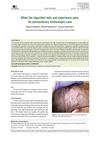 January 2026 in “Forum Dermatologicum”
 Thorough hair examination is crucial for accurate diagnosis and treatment.
87 citations
,
August 1974 in “Journal of Investigative Dermatology”  44 citations
,
August 2008 in “Archives of Dermatology”
44 citations
,
August 2008 in “Archives of Dermatology” Trichoscopy is a non-invasive way to diagnose hair and scalp problems without needing hair samples.
10 citations
,
March 1997 in “Pediatric Dermatology” A rare case of trichothiodystrophy was found with autism, seizures, and mental retardation.
October 2015 in “CRC Press eBooks” Trichoscopy is a useful tool for examining and monitoring hair and scalp conditions.
January 2026 in “Clinical Case Reports” A 6-year-old girl had both monilethrix and trichorrhexis nodosa, causing brittle hair, with minimal improvement from treatment.
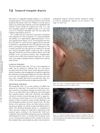 April 2012 in “Informa Healthcare eBooks”
 Temporal triangular alopecia is a lifelong condition with hairless patches on the side of the head that may be present from birth.
1 citations
,
March 2023 in “Journal of the Turkish Academy of Dermatology” Temporal triangular alopecia may be linked to sebaceous nevus and shows a new pinkish background feature.
264 citations
,
October 1958 in “Archives of Dermatology” A 4-year-old girl has a rare hair condition causing fragile, short hair.
18 citations
,
September 1994 in “Clinical and Experimental Dermatology” Localized trichorrhexis nodosa is a hair condition where hair becomes fragile and breaks easily due to damage.
 January 2016 in “International Journal of Medical Research and Health Sciences”
 People with hair loss conditions like Telogen Effluvium and Alopecia Areata often feel scalp pain and are more likely to have anxiety, but not necessarily depression.
March 2025 in “International Journal of Trichology” Vigorous rubbing of herbal powder on the scalp caused hair damage and loss.
1 citations
,
April 2018 in “Turkish Journal of Dermatology” Childhood hypertrichosis is excessive hair growth not linked to hormones, with types based on location and origin.

Onabotulinum toxin A may help treat trichotillomania and promote hair growth.
 April 2016 in “Journal of The American Academy of Dermatology”
 Different treatments are effective for hair loss conditions, but results vary by individual factors.
January 2023 in “Indian Dermatology Online Journal” A 23-year-old man has a benign, non-progressive hair loss patch that doesn't respond to treatment but can be cosmetically treated.