
Betamethasone dipropionate lotion is more effective than minoxidil solution for treating Alopecia Areata.
 May 2022 in “Experimental dermatology”
 Trichothiodystrophy hair is structurally abnormal with protein and organization issues.
November 2019 in “DOAJ (DOAJ: Directory of Open Access Journals)” Adding 7% chamomile extract to minoxidil reduces skin side effects in treating male hair loss.
 38 citations
,
May 2009 in “European journal of dermatology/EJD. European journal of dermatology”
38 citations
,
May 2009 in “European journal of dermatology/EJD. European journal of dermatology” TrichoScan® is a reliable tool for measuring hair growth, providing quicker and more consistent results than manual methods.
 1 citations
,
September 2023 in “Journal of The American Academy of Dermatology”
1 citations
,
September 2023 in “Journal of The American Academy of Dermatology” Low dose oral minoxidil can help with hair loss when used alone.
2 citations
,
April 2020 in “PubMed” 1 citations
,
May 2023 in “Journal of the European Academy of Dermatology and Venereology” Minoxidil and vitamin E may help improve nail growth and health.
 April 2025 in “Clinical Dermatology Review”
 Trichoscopy is effective for diagnosing hair and scalp disorders without invasive biopsies.
 August 2023 in “Journal of Cosmetic Dermatology”
 Using a laser with minoxidil was more effective for hair loss than minoxidil alone.
 April 2016 in “Journal of The American Academy of Dermatology”
 Dutasteride is more effective than finasteride for hair growth with similar side effects.
January 2026 in “SSRN Electronic Journal”  August 2024 in “International Journal of Science and Research (IJSR)”
 PDO threads are effective and safe for non-surgical hair restoration.
January 2020 in “Revista Dermatológica Centro Uraga” Recognizing trichoscopic features is crucial for diagnosing various hair loss conditions.
 October 2025 in “Advanced Healthcare Materials”
 Stevioside-based microneedles improve minoxidil delivery and hair growth for treating hair loss.
2 citations
,
January 2012 Androgenetic alopecia is the only hair loss condition with specific diagnostic criteria in trichoscopy.
1 citations
,
January 2011 in “Journal of the American Academy of Dermatology” The combination of minoxidil and cyclosporine improved hair growth in short anagen syndrome.
2 citations
,
April 2008 in “Advances in therapy” Proper diagnosis and treatment of childhood hair loss require distinguishing between alopecia and trichotillomania.
July 2026 in “Journal of the American Academy of Dermatology” Most young patients found oral minoxidil helpful for hair loss and were willing to continue using it.
 198 citations
,
October 2011 in “Journal der Deutschen Dermatologischen Gesellschaft”
198 citations
,
October 2011 in “Journal der Deutschen Dermatologischen Gesellschaft” Use minoxidil for hair loss; finasteride and dutasteride for men, dutasteride for women.
 2 citations
,
February 2019 in “Anais brasileiros de dermatologia/Anais Brasileiros de Dermatologia”
2 citations
,
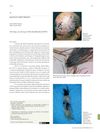
February 2019 in “Anais brasileiros de dermatologia/Anais Brasileiros de Dermatologia” Tufted folliculitis is common in patients with folliculitis decalvans.
Minoxidil can cause hair growth as a side effect.
 June 2024 in “Research Square (Research Square)”
 Combining botulinum toxin type A with Minoxidil leads to better hair growth and quality of life in men with hair loss.
June 2022 in “Zenodo (CERN European Organization for Nuclear Research)” The hydrogel with neem and tridax extracts effectively treats seborrheic dermatitis.
1 citations
,
May 2016 in “Aktuelle Dermatologie” Trichoscopy helps monitor inflammation in Lichen planopilaris.
 September 2023 in “Journal of Cosmetic Dermatology”
 Topical cetirizine may help increase hair length in male pattern baldness and could be an alternative to minoxidil with fewer side effects.
108 citations
,
October 2003 in “Journal of biological chemistry/The Journal of biological chemistry” Trichohyalin makes hair follicles stronger.
September 1994 in “International Society of Hair Restoration Surgery” Combining Finasteride and Minoxidil leads to impressive hair growth.
3 citations
,
May 2020 in “Journal of The Korean Medical Association” Minoxidil and finasteride are effective for treating hair loss, with dutasteride showing potential but with side effects.
1 citations
,
June 2023 in “Cosmoderma” Trichoscopy is better than the hair pull test for tracking alopecia areata.
 2 citations
,
July 2015 in “The Open Dermatology Journal”
2 citations
,
July 2015 in “The Open Dermatology Journal” Trichoscopy is a tool for detailed examination of hair and scalp diseases.