Preventive measures during surgery can avoid hair loss complications.
 July 2025 in “International Journal of Pharmaceutical Sciences Review and Research”
 Balanced selenium intake from wheat is crucial for preventing hair loss.
 April 2025 in “Dermatology and Therapy”
 Significant, lasting hair regrowth is needed to improve how patients with Alopecia Areata feel about their condition.
 April 2025 in “PharmacoEconomics - Open”
 Patients with Alopecia Areata are willing to trade life duration for better quality of life.
 March 2025 in “Nepal Journal of Dermatology Venereology & Leprology”
 A standardized guideline would improve Telogen Effluvium management.
 January 2025 in “International Journal of Homoeopathic Sciences”
 Personalized homeopathic treatment may help manage alopecia areata.
 January 2025 in “Dermatology Review”
 Trichilemmal carcinoma is rare, usually benign after removal, but needs close follow-up due to recurrence risks.
 January 2025 in “Advances in Dermatology and Allergology”
 A holistic approach, including medical treatments, lifestyle changes, and mental health support, is crucial for managing hirsutism in women.
 January 2025 in “Universidad de Córdoba Insitutional Repository (Universidad de Córdoba)”
 An imbalanced scalp microbiome may worsen alopecia areata severity and inflammation, but treatment can partially restore balance.
December 2024 in “International Journal of Scientific Reports” The plant-based hair serum is a promising and safe alternative to minoxidil for hair regrowth.
 December 2024 in “Australian Journal of General Practice”
 The woman's hair loss pattern doesn't match typical conditions like alopecia areata or female pattern hair loss.
 October 2024 in “International Journal of Research in Dermatology”
 Mintop serum effectively reduces hair fall and promotes new growth safely.
 September 2024 in “Meditsinskiy sovet = Medical Council”
 As women age, hair follicles decrease in number and hair width tends to reduce.
 August 2024 in “International Journal of Basic & Clinical Pharmacology”
 Secretome-based therapies could improve hair growth better than current treatments.
 August 2024 in “Biomolecules & Therapeutics”
 A new compound, HTPI, promotes hair growth by protecting cells from damage and regulating energy use.
 July 2024 in “Egyptian Journal of Medical Human Genetics”
 These gene variations are not linked to alopecia areata in Egyptians.

The combined treatment increased hair density in most patients with Androgenetic Alopecia.
 July 2024 in “Dermatology and Therapy”
 Darker hair colors may increase the risk of alopecia areata, while lighter hair colors may decrease it.
 June 2024 in “International Journal for Research in Applied Science and Engineering Technology”
 Flaxseed hair gel is effective for hair growth and dandruff, is stable, and has minimal side effects.
 June 2024 in “Journal of Islamic International Medical College”
 Low zinc is linked to all alopecia types, and low copper is linked to male pattern alopecia.
 June 2024 in “Saudi Journal of Medicine”
 PRP therapy significantly improves hair thickness and density in male pattern baldness.
 June 2024 in “Journal of Dermatology & Cosmetology”
 The FUL hair restoration technique is better for aesthetics and causes less scarring.

675 nm laser therapy effectively improves hair growth in Indian patients with androgenetic alopecia.
 May 2024 in “International journal of research in dermatology”
 Low vitamin D levels are linked to increased risk of male pattern baldness.
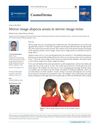
Mirror-image twins can have alopecia areata on opposite sides of their heads.
 May 2024 in “Clinical, cosmetic and investigational dermatology”
 5% topical minoxidil effectively treated a boy's congenital triangular alopecia without side effects.
 April 2024 in “International Journal of Research in Medical Sciences”
 Demographic and lifestyle factors significantly influence scalp diseases.
 April 2024 in “International journal of research in dermatology”
 Azathioprine can cause hair loss and matted hair.
 April 2024 in “International Journal of Research Publication and Reviews”
 Alopecia areata causes hair loss with varied treatment responses and frequent relapses.

Premature graying of hair is linked to vitamin D and B12 deficiencies, thyroid issues, iron imbalance, stress, and lifestyle habits, and affects quality of life.