 January 2024 in “Lecture notes in networks and systems”
 "TRICHOASSIST" is a system that analyzes hair and scalp images to help diagnose scalp diseases.
 January 2026 in “Journal of Materials Chemistry B”
 TA-Ado effectively promotes hair growth and reduces hair loss.
November 2023 in “Journal of Pakistan Society of Internal Medicine.” Methotrexate is effective for rheumatoid arthritis but can cause side effects.
 1 citations
,
July 2022 in “Dermatologic Therapy”
1 citations
,
July 2022 in “Dermatologic Therapy” Both brands of biotin and dexpanthenol injections improved hair loss, with Bayer also increasing the ratio of thick to thin hairs.
October 2012 in “Sax's Dangerous Properties of Industrial Materials” 21 citations
,
October 2022 in “International Journal of Molecular Sciences” Quercitrin may help treat Alzheimer's by boosting brain cell signaling without causing tumors.
 2 citations
,
July 2018 in “Elsevier eBooks”
2 citations
,
July 2018 in “Elsevier eBooks” Trichoscopy is a useful tool for diagnosing and managing hair and scalp conditions, often better than traditional methods.
 1 citations
,
January 2009 in “Actas Dermo-Sifiliográficas”
1 citations
,
January 2009 in “Actas Dermo-Sifiliográficas” Docetaxel, a chemotherapy drug, was reported to cause psoriasis in a patient for the first time.
 8 citations
,
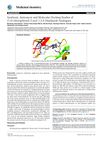
January 2013 in “Medicinal chemistry”
8 citations
,
January 2013 in “Medicinal chemistry” The compound 4c showed strong potential as an anticancer agent.
12 citations
,
January 1987 in “Carcinogenesis” TCDD changes skin cell growth and keratin production in mice.
May 2025 in “Journal of the European Academy of Dermatology and Venereology” Ritlecitinib is effective for long-term hair regrowth in alopecia areata, especially in females and early treatment.
January 2026 in “Clinical Case Reports” A 6-year-old girl had both monilethrix and trichorrhexis nodosa, causing brittle hair, with minimal improvement from treatment.
 January 2025 in “Clinical Dermatology Review”
 Trichoscopy helps accurately diagnose Netherton syndrome, often mistaken for atopic dermatitis.
9 citations
,
May 2014 in “Clinical Cosmetic and Investigational Dermatology” Using tazarotene with GliSODin improves facial skin more than tazarotene alone.
July 2024 in “Journal of Investigative Dermatology” PH-762 shows promise in treating skin cancer by effectively targeting and silencing PD-1 in tumors with minimal side effects.
 October 2025 in “Open Repository of the University of Porto (University of Porto)”
 Dutasteride is more effective than finasteride for hair growth, and sublingual apomorphine quickly improves Parkinson's symptoms.
Trichotillometry can measure hair plucking force, aiding alopecia treatment evaluation.
November 2024 in “Advances in Pharmacology and Pharmacy” A reliable method was developed to measure Minoxidil and Tofacitinib in gel for hair loss treatment.
 2 citations
,
January 2023 in “Curēus”
2 citations
,
January 2023 in “Curēus” Low-dose naltrexone may help reduce redness in certain scalp conditions.
 2 citations
,
April 2007 in “Journal of Labelled Compounds and Radiopharmaceuticals”
2 citations
,
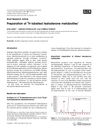
April 2007 in “Journal of Labelled Compounds and Radiopharmaceuticals” The conclusion is that tritium-labeled testosterone metabolites can be made and are better converted into dihydrotestosterone in skin cells than in prostate tissue.
 5 citations
,
September 2014 in “Journal of Pharmaceutical Sciences” 50 citations
,
July 2015 in “Journal of the American Academy of Dermatology”
5 citations
,
September 2014 in “Journal of Pharmaceutical Sciences” 50 citations
,
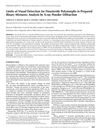
July 2015 in “Journal of the American Academy of Dermatology” Using 2.5 mg/mL triamcinolone acetonide is effective for hair growth in alopecia areata with fewer side effects.
January 2026 in “Experimental Dermatology” Skin-resident memory T cells may contribute to chronic alopecia areata and baricitinib could be a potential treatment.
1 citations
,
July 2024 in “Journal of Investigative Dermatology” TAK-279 effectively reduces psoriasis symptoms and is safe.

Newly designed proteins can effectively degrade specific proteins in cells, offering a potential new therapy method.
September 2023 in “Journal of the American Academy of Dermatology” Oral difelikefalin significantly reduces itch in notalgia paresthetica.
October 2020 in “Der Hautarzt” Tofacitinib helped regrow hair in a woman with alopecia areata.
July 2026 in “Journal of Dermatological Treatment” Finasteride and dutasteride both improve hair growth effectively, but dutasteride has stronger anti-androgen effects and finasteride may cause more sexual side effects.
 June 2024 in “Korean Journal of Pharmacognosy”
 The compound from Rhododendron mucronulatum roots may help treat male pattern hair loss.