July 2025 in “International Journal of Trichology” Intralesional methotrexate and triamcinolone acetonide are more effective than Vitamin D3 for treating alopecia areata.
March 2026 in “ACS Applied Bio Materials” The TO-TF copolymer strengthens damaged hair effectively and sustainably.
 7 citations
,
April 2021 in “British Journal of Dermatology”
7 citations
,
April 2021 in “British Journal of Dermatology” Topical tofacitinib may effectively and safely regrow facial hair in some people with alopecia areata.
 July 2023 in “Journal of Natural Remedies”
 Shell ginger contains kavalactones that promote hair growth and have anti-cancer, anti-inflammatory, and anti-obesity effects.
 January 2005 in “Elektronische Hochschulschriften der LMU München (Ludwig-Maximilians-Universität München)”
 Topical immunotherapy with DPCP is most effective for certain alopecia areata types, with success linked to age and disease duration, and influenced by a gene polymorphism.
 1 citations
,
September 2022 in “Journal of The American Academy of Dermatology”
1 citations
,
September 2022 in “Journal of The American Academy of Dermatology” Baricitinib helps grow eyebrows and eyelashes in severe alopecia areata patients.
 3 citations
,
July 2017 in “International journal of medicine”
3 citations
,
July 2017 in “International journal of medicine” Intralesional triamcinolone acetonide effectively treats alopecia areata, as shown by significant improvements in hair regrowth and dermoscopic indicators.
January 2025 in “Archives of Dermatological Research”  14 citations
,
August 2018 in “Journal of Pharmaceutical and Biomedical Analysis” 9 citations
,
January 2011 in “American Journal of Dermatopathology”
14 citations
,
August 2018 in “Journal of Pharmaceutical and Biomedical Analysis” 9 citations
,
January 2011 in “American Journal of Dermatopathology” Pilomatrixoma involves abnormal hair keratin production and cell death, causing debris and cysts.
 June 2023 in “jurnal veteriner”
 The combination of Typhonium flagelliforme extract and natural interferons effectively reduces tumor growth in mice.
 April 2021 in “Research Square (Research Square)”
 The new cocrystal KET-PABA is a more effective and safe anti-inflammatory treatment for skin conditions in mice.
10 citations
,
January 2012 in “International Journal of Cosmetic Science” Thioglycolic acid mainly affects the unordered areas in hair structure.
November 2022 in “Frontiers in Medicine” PRP shows promise for treating mild alopecia areata but needs more research for cicatricial alopecias.
 May 2026 in “Zenodo (CERN European Organization for Nuclear Research)”
 The serum with microneedling device improves hair loss treatment effectively and safely.
 January 2015 in “Journal of clinical & experimental dermatology research”
 A protein combining parathyroid hormone and collagen helped hair regrow in mice with a hair loss condition.
26 citations
,
August 2018 in “Journal of Investigative Dermatology” Activating TRPV3 reduces skin oil production and increases inflammation, potentially causing dry skin issues.
 1 citations
,
August 2023 in “Journal of cutaneous pathology”
1 citations
,
August 2023 in “Journal of cutaneous pathology” The analysis of a large pilomatricoma revealed five distinct areas with different gene activity related to hair growth and tumor development.
 April 2024 in “Skin health and disease”
 Using a special skin cream with gabapentin helped reduce symptoms of a certain scalp condition but didn't change nerve fibers or skin chemicals.
 1 citations
,
March 2024 in “Ophthalmic Plastic and Reconstructive Surgery”
1 citations
,
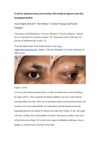
March 2024 in “Ophthalmic Plastic and Reconstructive Surgery” A pilomatrixoma in the eyebrow can cause hair loss and skin lightening.

Baricitinib is more effective than tofacitinib for hair regrowth in alopecia patients.
39 citations
,
March 1976 in “British Journal of Dermatology” Intralesional steroid therapy is useful for treating various skin conditions.
 October 2024 in “Canadian Journal of Health Technologies”
 Olumiant should be covered for severe alopecia areata if certain conditions are met.
9 citations
,
October 2025 in “MedComm” PROTACs offer new ways to treat hard-to-target diseases, with promising drugs for cancer in advanced trials.
1 citations
,
June 2016 in “Medicina” Monilethrix is a genetic disorder causing brittle hair, diagnosed using tricoscopy.
 May 2023 in “The journal of investigative dermatology/Journal of investigative dermatology”
 A potential treatment for atopic dermatitis could be to increase PADI1 expression to improve skin barrier function.
 February 2026 in “Frontiers in Immunology”
 Ivarmacitinib significantly improved hair regrowth in severe alopecia areata after tofacitinib was less effective.
1 citations
,
January 2013 in “Journal of the Scientific Society” A painless cheek lump was misdiagnosed but later identified as a rare benign skin lesion called pilomatrixoma.
72 citations
,
March 2023 in “Biomolecules” Dupilumab effectively treats various inflammatory skin diseases beyond its initial use for atopic dermatitis.
 1 citations
,
January 2018 in “Journal of cosmetology & trichology”
1 citations
,
January 2018 in “Journal of cosmetology & trichology” Hair loss lotion with specific ingredients effectively improves hair growth and thickness safely.