 49 citations
,
April 1997 in “Human reproduction”
49 citations
,
April 1997 in “Human reproduction” Hormone therapy for excessive hair growth is as good with GnRHa as with high-dose CPA, but GnRHa has longer-lasting results.
September 2024 in “Actas Dermo-Sifiliográficas” Trichodynia is a painful scalp condition linked to hair loss and mental health issues, with limited treatment options.
August 2020 in “bioRxiv (Cold Spring Harbor Laboratory)” Normal cells outcompete and remove mutant cells in the pancreas with the help of the EphA2 receptor.
 June 2023 in “Frontiers in Cardiovascular Medicine”
 Using existing drugs for new purposes could be a cost-effective way to treat chest pain and non-clogged heart arteries, with some drugs for lung blood pressure showing promise but needing more testing.
 March 2026 in “JMIR Dermatology”
 Interest in JAK inhibitors for alopecia areata increased significantly after FDA approval, highlighting the need for patient education.
 77 citations
,
May 2012 in “Expert Opinion on Emerging Drugs”
77 citations
,
May 2012 in “Expert Opinion on Emerging Drugs” New treatments for male hypogonadism are effective and should be personalized.
25 citations
,
June 2017 in “Neuropharmacology” Increasing TSPO in the brain reduces anxiety and depression.
3 citations
,
November 2020 in “Dermatologic Therapy” Start with 2.5 mg/mL triamcinolone acetonide for scalp alopecia areata and increase if needed.
June 2025 in “British Journal of Dermatology” JAK inhibitors help regrow hair in alopecia areata, but their long-term safety is still unclear.
 60 citations
,
June 1997 in “Drugs & Aging”
60 citations
,
June 1997 in “Drugs & Aging” Mitoxantrone with a corticosteroid helps manage symptoms for some advanced prostate cancer patients but doesn't extend life.
June 2025 in “Journal of Drug Delivery Science and Technology” A dissolving microneedle patch with dutasteride offers effective, long-lasting hair loss treatment with fewer side effects.
 September 2025 in “Cureus”
 GLP-1 receptor agonists may cause hair loss, but more research is needed.
 9 citations
,
July 2014 in “Experimental Dermatology”
9 citations
,
July 2014 in “Experimental Dermatology” PTHRP agonists can stimulate hair growth, especially in damaged follicles, while antagonists may initially increase growth but ultimately inhibit it.
4 citations
,
January 2020 in “PubMed” JAK inhibitors may become the first approved treatment for alopecia areata if they are proven safe and effective.
15 citations
,
April 2011 in “The journal of investigative dermatology/Journal of investigative dermatology” A3B5 can reduce skin pigmentation and slow melanoma growth.
May 2026 in “Acta Dermato Venereologica” Early treatment with JAK inhibitors leads to better hair regrowth in acute alopecia areata.
15 citations
,
July 2009 in “Biomedical Chromatography” A reliable method was developed to measure aristolochic acid-I in rat blood.
 December 2023 in “Journal of Ayub Medical College Abbottabad”
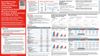
 Ritlecitinib effectively treats alopecia areata in patients 12 and older with fewer side effects.
 November 2025 in “SKIN The Journal of Cutaneous Medicine”
 Baricitinib works better in adolescents than adults for treating severe alopecia areata.
![Benzo[c]quinolizin-3-ones Theoretical Investigation: SAR Analysis and Application to Untested Compounds](/images/assets/6712367a-949f-47c7-a756-2bfe6316fc69/small/15331.jpg) 6 citations
,
August 2004 in “Journal of Chemical Information and Computer Sciences”
6 citations
,
August 2004 in “Journal of Chemical Information and Computer Sciences” The research found a link between certain molecular features and the biological activity of BC3, which can help identify or create new active compounds.
![The Synthesis of (−)-4-Methyl-8-Chloro-Trans-1,2,3,4,4a,5,6,10b-Octahydrobenzo-[f]-Quinolin-3-One-[3-14C] (LY300502-14C) via a Circuitous Route](/images/assets/73bab8dc-bdf0-45e3-8ef7-73d0d4b93cb1/small/21074.jpg) 3 citations
,
October 1994 in “Journal of Labelled Compounds and Radiopharmaceuticals”
3 citations
,
October 1994 in “Journal of Labelled Compounds and Radiopharmaceuticals” Scientists made a carbon-14 labeled version of a drug with a 48% yield and over 99% purity.

Female rats showed more panic-related behavior than males, influenced by hormonal cycles and certain drugs.
10 citations
,
July 2011 in “Archives of Pharmacal Research” 1 citations
,
October 2025 in “International Journal of Molecular Sciences” Natural compounds may help treat advanced papillary thyroid cancer by targeting specific molecular pathways.

Further trials are needed to explore the efficacy of triamcinolone acetonide in dermatology.
 116 citations
,
April 2002 in “American journal of veterinary research”
116 citations
,
April 2002 in “American journal of veterinary research” Trilostane effectively and safely treats dogs with pituitary-dependent hyperadrenocorticism, improving symptoms and adrenal gland size.
 May 2025 in “Experimental Dermatology”
 Triphenylphosphine oxide can increase oil production and reduce inflammation in skin cells without affecting TRPM5.
35 citations
,
November 1989 in “Journal of steroid biochemistry/Journal of Steroid Biochemistry” Epitestosterone may act as a weak antiandrogen and can inhibit an enzyme involved in testosterone metabolism.
TRPV4 channels in the skin may enhance the effects of acupuncture.