 March 2026 in “Journal of Nanobiotechnology”
 A new microneedle treatment can effectively repigment skin in vitiligo.
69 citations
,
September 2013 in “American Journal of Alzheimer s Disease & Other Dementias®” Snakin-Z from jujube fruits may help treat Alzheimer's due to its enzyme inhibition and antioxidant properties.
July 2010 in “学術講演梗概集. A-1, 材料施工” Finasteride effectively slowed hair loss and promoted hair growth in Taiwanese men with AGA.
June 2022 in “Zenodo (CERN European Organization for Nuclear Research)”  June 2019 in “Reactions Weekly”
  August 2025 in “Macromolecular Bioscience”
 Microneedles with minoxidil and nitric oxide improve hair growth effectively and painlessly.
33 citations
,
January 2008 in “Journal of Molecular Neuroscience”  April 2015 in “Andrology”
 HNG may help prevent the negative effects of chemotherapy on sperm production and white blood cell counts.
 January 1993 in “Inpharma Weekly”
 A new food supplement was highly effective in curing hair loss in young men.
 April 2024 in “Dermatovenerologiâ, kosmetologiâ”
 Telogen effluvium is a common hair loss condition that can be managed with proper treatment and addressing underlying issues.
 17 citations
,
January 2012 in “IOSR Journal of Environmental Science Toxicology and Food Technology”
17 citations
,
January 2012 in “IOSR Journal of Environmental Science Toxicology and Food Technology” High doses of Tridax procumbens extract can be toxic, affecting liver and kidneys.
1 citations
,
January 2014 Crataegus pinnatifida extract promotes hair growth in mice.
September 2025 in “Journal of the American Academy of Dermatology” Ritlecitinib may help treat alopecia areata by protecting hair follicles.
3 citations
,
April 2025 in “International Journal of Molecular Sciences” TSG from Polygonum multiflorum may help with anti-aging by protecting the brain, heart, bones, and hair.
 March 2005 in “Inpharma Weekly”
 China approved Sinovac's flu vaccine, Japan approved RiUP for female hair loss, and Nippon Kayaku's three cancer drugs.
 15 citations
,
September 2006 in “Journal of International Medical Research”
15 citations
,
September 2006 in “Journal of International Medical Research” Nourkrin® significantly increased hair growth and was well-tolerated by people with hair loss.
14 citations
,
July 2021 in “Bioscience Reports” Activating Tgr5 may help treat hair loss and bone loss.
 September 2024 in “Journal of the American Academy of Dermatology”
 AH-001 could be a safer and more effective treatment for hair loss.
September 2022 in “Research Square (Research Square)” 5% topical minoxidil improves hair density and quality in monilethrix patients.
 14 citations
,
December 1998 in “The Journal of Clinical Endocrinology and Metabolism”
14 citations
,
December 1998 in “The Journal of Clinical Endocrinology and Metabolism” MENT could be a better option than testosterone for male hormone therapy and birth control because it works well at lower doses and has fewer side effects on the prostate.
8 citations
,
December 2019 in “Molecular genetics and metabolism reports” Some children in Malaysia with symptoms have either profound or partial biotinidase deficiency, and early testing and treatment are important.
 March 1998 in “Journal of Dermatological Science”
 Combining RU58841 and minoxidil significantly increases hair growth.
 February 2025 in “Revista Eletrônica Acervo Saúde”
 Triamcinolone hexacetonide is effective but has side effects, while PRP and minoxidil are safer alternatives for treating alopecia areata.
2 citations
,
March 2022 in “PubMed” Nutrafol® and Viviscal® can slightly help hair growth in hair loss.
 November 2023 in “PubMed”
 Pentoxifylline is a safe and effective alternative to triamcinolone acetonide for treating localized alopecia areata.
6 citations
,
April 2018 in “Transplantation proceedings” A woman experienced severe side effects from a drug due to a specific genetic variation, suggesting genetic testing could prevent such risks.
2 citations
,
December 2012 in “The Professional Medical Journal” Biobran MGN-3 reduces chemotherapy side effects and improves quality of life for breast cancer patients.
March 2026 in “SKIN The Journal of Cutaneous Medicine” Ritlecitinib is being tested for safety and effectiveness in young children with severe alopecia areata.
 June 2023 in “Skin Research and Technology”
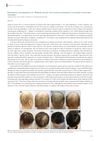
 The supplement with amino acids, iron, selenium, and marine hydrolyzed collagen improved hair growth more than drug treatment alone, with most people tolerating it well.
 8 citations
,
May 2017 in “Singapore Medical Journal”
8 citations
,
May 2017 in “Singapore Medical Journal” A Korean woman with complete hair loss regrew her hair after taking tofacitinib, with no side effects.