53 citations
,
July 2009 in “Cancer Research” Blocking certain proteins can reduce skin inflammation caused by cancer treatment.
TNFα and interleukin-1 blockers reduce skin inflammation from EGFR antibody therapy.
TNFα and interleukin-1 blockers reduce skin inflammation from EGFR antibody therapy.
Atopy and altered T cell functions contribute to Alopecia Areata.
January 2010 in “Zhongguo xiandai yixue/Zhongguo xiandai yixue zazhi” TGF-β1 and TNF-α contribute to lung damage after radiation.
January 2013 in “Tampere University Institutional Repository (Tampere University)” Tudor-SN is important for immune cells, and polyamines can promote hair growth.
147 citations
,
April 1997 in “Oncogene” Overexpressing IGF-1 in mice leads to skin abnormalities and tumors.
3 citations
,
January 2014 Collagen XVIII and Bmx tyrosine kinase are important for hair growth and skin cancer development.
 2 citations
,
January 2025 in “Сибирский научный медицинский журнал”
2 citations
,
January 2025 in “Сибирский научный медицинский журнал” TS-13 effectively stops tumor growth and reduces chemotherapy side effects.
 1 citations
,
April 2016 in “Journal of Investigative Dermatology”
1 citations
,
April 2016 in “Journal of Investigative Dermatology” NLRP1 helps melanoma tumors grow by boosting inflammasome activation and reducing caspase-3 activity.
1 citations
,
September 2001 in “PubMed” ONO-3403 effectively reduces mouse skin tumor growth without side effects.
 23 citations
,
December 2004 in “Differentiation”
23 citations
,
December 2004 in “Differentiation” Sex hormones affect hair and feather growth and may help manage alopecia and hormone-dependent cancers.
1 citations
,
January 1998 in “International journal of cancer” Rubbing vitamin D3 on skin can help prevent hair loss from chemotherapy and slow breast tumor growth in mice.
91 citations
,
July 2004 in “Journal of Biological Chemistry” Overexpressing SSAT enzyme reduces prostate tumor growth in mice.
1 citations
,
October 2021 in “bioRxiv (Cold Spring Harbor Laboratory)” Heat shock proteins help basal cell carcinoma grow by responding to inflammation signals.
 44 citations
,
September 2014 in “Cell Death & Differentiation”
44 citations
,
September 2014 in “Cell Death & Differentiation” Tumor suppressors help control inflammation in cancer and restoring their function could lead to new treatments.
 10 citations
,
January 1985 in “Elsevier eBooks”
10 citations
,
January 1985 in “Elsevier eBooks” Active oxygen species might be involved in skin tumor growth, but their exact role is unclear.
July 2026 in “Materials Today Bio” The MQ complex helps heal melanoma wounds by controlling ROS levels with light.
125 citations
,
February 2007 in “The EMBO Journal” Fgfr2b helps maintain healthy skin and prevent cancer.
91 citations
,
March 1996 in “Archives of Dermatological Research” Certain cytokines and growth factors can inhibit hair growth and may affect alopecia areata.
64 citations
,
February 2008 in “Cancer Research” Inactivating both p53 and Rb genes in mice speeds up aggressive skin cancer development.
 24 citations
,
July 1994 in “Molecular Endocrinology”
24 citations
,
July 1994 in “Molecular Endocrinology” Researchers found an RNA transcript that might help control a growth factor linked to tumor development.
 23 citations
,
September 2011 in “Journal of Dermatological Science”
23 citations
,
September 2011 in “Journal of Dermatological Science” Red LED light helps mouse hair grow by increasing growth factors from skin cells.
8 citations
,
December 2023 in “International Journal of Molecular Sciences” Lower TNF-α levels in PRP may predict better treatment outcomes for bladder conditions.
 5 citations
,
January 2022 in “Molecular Medicine Reports”
5 citations
,
January 2022 in “Molecular Medicine Reports” Pine bark extract helps mice grow hair by reducing inflammation and boosting growth factors.
 2 citations
,
August 2023 in “Marine drugs”
2 citations
,
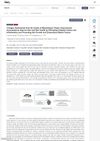
August 2023 in “Marine drugs” Collagen from tilapia scales may improve hair and skin health by reducing stress and inflammation and encouraging hair growth.
 1 citations
,
March 2022 in “Daehanhanuihakoeji”
1 citations
,
March 2022 in “Daehanhanuihakoeji” Artemisia sieversiana extract may help prevent hair loss and promote hair growth.
September 2025 in “International Journal of Molecular Sciences” Unmodified fullerene C60 promotes hair growth and may help treat hair loss.
Loss of the p53 gene alone causes tumors, and losing both p53 and Rb genes speeds up aggressive skin cancer.
Loss of the p53 gene alone causes tumors, and losing both p53 and Rb genes speeds up aggressive skin cancer.