Search
for
Sort by
Research
810-840 / 1000+ resultsresearch Activation of liver X receptors inhibits experimental fibrosis by interfering with interleukin-6 release from macrophages
Activating liver X receptors can reduce fibrosis by stopping certain immune cells from releasing harmful proteins.
research Baricitinib for Alopecia Universalis Following Drug-Induced Hypersensitivity Syndrome/Drug Reaction with Eosinophilia and Systemic Symptoms
Baricitinib effectively regrew hair in a woman with alopecia universalis after other treatments failed.
research Benefit and risk profile of tofacitinib for the treatment of alopecia areata: a systemic review and meta‐analysis
Tofacitinib is somewhat effective for alopecia areata, but more research is needed on its safety and long-term effects.
research Irish dermatologists’ experience with JAK inhibitors in alopecia areata
Irish dermatologists use JAK inhibitors for alopecia areata but want standardized treatment guidelines.
research Author reply
Imatinib mesylate can cause skin lightening, especially in Chinese patients, due to its effect on pigment production.
research Hair regrowth in a patient with central centrifugal cicatricial alopecia after a 2-month trial of baricitinib
A woman with a type of hair loss saw hair regrowth after two months of taking baricitinib.

research 44096 Efficacy in Subgroups related to Disease Characteristics in Patients with Alopecia Areata from BRAVE-AA1 and BRAVE-AA2
Baricitinib significantly improves hair regrowth in severe alopecia areata.
research 376 Tsc2 disruption in mesenchymal progenitors regulates hair follicles and TGF beta signaling
Disrupting the Tsc2 gene in certain cells leads to thicker skin, larger hair, and changes in hair growth signaling, which can be partly reversed with specific treatment.
research Vandetanib-associated alopecia areata in a patient with metastatic medullary thyroid cancer
A cancer patient developed a type of hair loss after starting a cancer drug called vandetanib.
research Systemic Tofacitinib in Alopecia Areata: A Single Center Retrospective Descriptive Cohort Study
Tofacitinib effectively regrows hair in alopecia areata patients, especially in younger individuals, with manageable side effects.
research Refractory alopecia universalis associated with dermatomyositis successfully treated with tofacitinib
A medicine called tofacitinib worked to treat a hair loss condition linked with a muscle and skin disease.
research Comparative Efficacy and Safety of Janus Kinase Inhibitors Used in Alopecia Areata: A Systematic Review and Meta-analysis
Baricitinib and deuruxolitinib are effective for treating alopecia areata, but their efficacy depends on the dose.
research Upadacitinib for the management of severe alopecia areata in adolescent patients: a single-centre retrospective study
Upadacitinib is effective and safe for treating severe alopecia areata in teens.
research A Case of Cicatricial Alopecia Associated with Erlotinib
Erlotinib can cause hair loss as a side effect.
research Tralokinumab as a therapeutic option for patients with concurrent atopic dermatitis and alopecia areata
Tralokinumab may help improve symptoms of atopic dermatitis and alopecia areata.
research Safety Assessment of Ritlecitinib Based on the FDA Adverse Event Reporting System (FAERS) Database: A Real‐World Pharmacovigilance Study
Ritlecitinib has common side effects like headache and acne, and unexpected ones like diabetes and thyroid issues.
research IMMUNE-RELATED SKIN TOXICITIES TO CHECKPOINT INHIBITORS THERAPY
Checkpoint inhibitor therapy can cause skin issues, from mild rashes to severe reactions.
research Tumor necrosis factor-alpha inhibitor associated psoriasiform alopecia (drug-induced psoriasiform alopecia)
Some drugs for inflammation may cause psoriasis-like hair loss.
research Teriflunomide (Aubagio®) for the treatment of multiple sclerosis
Teriflunomide is an effective and generally safe oral treatment for relapsing MS, reducing relapses and slowing disability progression.
research Clinical response to oral tofacitinib in pediatric patients with alopecia areata
Oral tofacitinib effectively regrows hair in children with alopecia areata without major side effects.
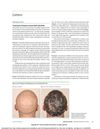
research Treatment of Alopecia Areata With Tofacitinib
Tofacitinib helped regrow hair in people with severe alopecia, but side effects occurred and benefits stopped after treatment ended.
research Periocular Manifestations of Afatinib Therapy
Afatinib can cause eyelash and eyebrow issues, leading to eye irritation and pain.
research Comparison of the pharmacoeconomic profiles of treatment regimens for field pattern actinic keratoses
Some blood pressure medications are linked to a higher risk of skin cancer.
research JAK-inhibitors in dermatology: current evidence and future applications
JAK-inhibitors are effective for treating psoriasis and show promise for other skin diseases.
research 54022 Pooled Safety Assessments from the Multinational Phase 3 THRIVE-AA1 and THRIVE-AA2 Trials of Deuruxolitinib in Adult Patients with Moderate to Severe Alopecia Areata
research ARTS, an unusual septin, regulates tumorigenesis by promoting apoptosis
ARTS helps stop tumors by promoting cell death.
research 170 Forecasting Phase 3 Dose-Response for Abrocitinib, an Oral Janus Kinase 1 Selective Inhibitor, Using Investigator’s Global Assessment and Eczema Area and Severity Index
Abrocitinib at 100 mg and 200 mg daily may significantly improve moderate-to-severe atopic dermatitis in patients 12 years and older.

research A Novel Topical Compound Gel Loading Minoxidil and Tofacitinib for Treatment of Alopecia Areata: Formulation, Characterization, and In Vitro/In Vivo Evaluation
The new gel combining minoxidil and tofacitinib effectively treats alopecia areata by promoting hair growth and reducing inflammation.
research Successful treatment of alopecia universalis with abrocitinib: a case report
Abrocitinib may effectively treat stubborn alopecia universalis.