 June 2024 in “Journal of Clinical Oncology”
 The combination of TACE and Donafenib is effective and tolerable for treating unresectable liver cancer.

Newly designed proteins can effectively degrade specific proteins in cells, offering a promising alternative for targeted protein degradation.
September 2025 in “Journal of Skin and Stem Cell” Baricitinib shows promise for treating various skin conditions beyond alopecia areata.
 1 citations
,
February 2022 in “Clinical, Cosmetic and Investigational Dermatology”
1 citations
,
February 2022 in “Clinical, Cosmetic and Investigational Dermatology” TDM10842, a thyroid hormone receptor activator, was found to effectively promote hair growth in mice.
January 2026 in “Human Mutation” T cell subsets are crucial in kidney cancer, and a new model predicts patient outcomes using key genes.
 July 2025 in “SKIN The Journal of Cutaneous Medicine”
 Ritlecitinib is generally safe for alopecia areata patients over 72 months.
 93 citations
,
May 2010 in “European Journal of Cancer”
93 citations
,
May 2010 in “European Journal of Cancer” BI 2536 had limited effectiveness against several advanced cancers and caused significant side effects.
4 citations
,
May 2023 in “Cells” Baricitinib and its combination with lonafarnib improve fat cell formation in certain genetic disorders.
 9 citations
,
October 2019 in “Dermatologic Therapy”
9 citations
,
October 2019 in “Dermatologic Therapy” Oral tofacitinib has a moderate success rate and is generally safe for treating hair loss in some patients.
10 citations
,
December 2024 in “Allergy” Tralokinumab effectively improved atopic dermatitis symptoms in most patients, but some stopped due to side effects like hair loss.
1 citations
,
August 2024 in “JAAD Case Reports” Tick bites can cause hair loss similar to alopecia areata, and baricitinib may help regrow hair.
July 2026 in “Journal of the American Academy of Dermatology” 29 citations
,
June 2015 in “Kidney International” Disrupting the Flcn gene in mice causes early kidney cysts and tumors, which can be treated with rapamycin.
July 2024 in “Journal of Investigative Dermatology” INTASYL is a promising, adaptable RNAi technology for treating skin cancers.
 June 2023 in “Journal of Clinical Oncology”
 CDK4/6 inhibitors may cause hair loss in breast cancer patients.
August 2026 in “Canadian Journal of Health Technologies” Litfulo is recommended for treating severe alopecia areata in people 12 and older, as it helps hair regrowth.
 March 2026 in “Journal of Pakistan Association of Dermatologists”
 Tofacitinib helps hair regrowth in alopecia areata but relapse is common after stopping treatment.
 January 2024 in “Skin Research and Technology”
 Oral tofacitinib may be an effective future treatment for children with severe alopecia areata, but more research is needed.
 January 2024 in “Revista de la Asociación Colombiana de Dermatología y Cirugía Dermatológica/Revista de la Asociacion Colombiana de Dermatologia y Cirugia Dermatologica”
 Baricitinib successfully treated severe hair loss.
April 2025 in “Anais Brasileiros de Dermatologia” Abrocitinib effectively treats severe alopecia areata with significant improvement and no side effects.
 August 2013 in “Nature Reviews Drug Discovery”
 New cancer treatments show promise in reducing tumor growth and improving skin regeneration in mice.
2 citations
,
November 2024 in “In Silico Pharmacology” 
Baricitinib helped treat a man's beard hair loss when steroids didn't work.
 66 citations
,
June 2021 in “Journal of The American Academy of Dermatology”
66 citations
,
June 2021 in “Journal of The American Academy of Dermatology” Baricitinib is effective and safe for treating severe alopecia areata.
1 citations
,
September 2015 Gefitinib treatment led to unexpected hair growth in two lung cancer patients.
22 citations
,
March 2017 in “Transplant Infectious Disease” Leflunomide successfully treated a rare skin condition in a liver transplant patient.
 November 2025 in “Mendeley Data”
 Unorthodox dosing of tofacitinib and baricitinib is safe but less effective than standard dosing for treating alopecia areata in kids.
 21 citations
,
January 2005 in “Pediatric Dermatology”
21 citations
,
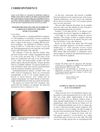
January 2005 in “Pediatric Dermatology” An 8-year-old girl with vitiligo developed extra hair growth on her knee after using tacrolimus ointment.
 November 2023 in “Research Portal Denmark”
 Baricitinib shows promise for severe alopecia areata but isn't a cure and has side effects.
January 2024 in “Pharmacoepidemiology” Patients with rheumatoid arthritis using tofacitinib had more serious side effects than those with alopecia areata.