 12 citations
,
August 2000 in “Fertility and Sterility”
12 citations
,
August 2000 in “Fertility and Sterility” Topical finasteride doesn't reduce DHT levels, hinting at an endocrine role in hair loss.
 10 citations
,
May 2021 in “Expert Opinion on Drug Delivery”
10 citations
,
May 2021 in “Expert Opinion on Drug Delivery” Coenzyme Q10 vesicular formulations can potentially treat androgenic alopecia by promoting hair growth and thickness.
 January 2023 in “Book of Abstracts”
 COVID-19 can cause different types of hair loss, with telogen effluvium being the most common.
 10 citations
,
January 2007 in “Dermatology”
10 citations
,
January 2007 in “Dermatology” Sex-determining genes may affect male baldness.
 42 citations
,
January 2006 in “Obstetrical & Gynecological Survey”
42 citations
,
January 2006 in “Obstetrical & Gynecological Survey” The document concludes that correct diagnosis and management of PCOS are important, and more research is needed on its risks and treatments.
 January 2018 in “Springer eBooks”
 The document says that early treatment of Acne Vulgaris is important to prevent scarring and that adult onset acne is common in women, often due to hormonal imbalances.
 417 citations
,
February 2004 in “The Journal of Clinical Endocrinology and Metabolism”
417 citations
,
February 2004 in “The Journal of Clinical Endocrinology and Metabolism” Testosterone therapy increases bone density in older men with low testosterone levels.
 118 citations
,
April 1998 in “Dermatologic Clinics”
118 citations
,
April 1998 in “Dermatologic Clinics” Finasteride and minoxidil are effective for hair regrowth, while treatments for alopecia areata have varying success and continuous treatment is necessary.
 24 citations
,
January 2001 in “Dermatologic clinics”
24 citations
,
January 2001 in “Dermatologic clinics” Hormonal therapy is a treatment option for acne, the only medical treatment for hirsutism, and the most promising for androgenetic alopecia.
 11 citations
,
January 2015 in “Current problems in dermatology”
11 citations
,
January 2015 in “Current problems in dermatology” The conclusion is that treatments like finasteride and minoxidil can prevent baldness progression and improve hair density, but more research is needed on other therapies.

Finasteride can cause long-term side effects like sexual dysfunction and depression.
 January 2025 in “Advances in Dermatology and Allergology”
 A holistic approach, including medical treatments, lifestyle changes, and mental health support, is crucial for managing hirsutism in women.
 71 citations
,
January 2004 in “Dermatology”
71 citations
,
January 2004 in “Dermatology” Oral finasteride works better than topical minoxidil for hair growth, both are safe.
 58 citations
,
September 2012 in “Dermatologic Clinics”
58 citations
,
September 2012 in “Dermatologic Clinics” Male pattern hair loss caused by follicular miniaturization; early diagnosis and treatment can reduce psychological burden.
 54 citations
,
April 2010 in “Baillière's best practice and research in clinical endocrinology and metabolism/Baillière's best practice & research. Clinical endocrinology & metabolism”
54 citations
,
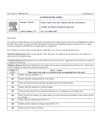
April 2010 in “Baillière's best practice and research in clinical endocrinology and metabolism/Baillière's best practice & research. Clinical endocrinology & metabolism” Impaired androgen production in 46,XY DSDs causes ambiguous genitalia and requires long-term care.
 41 citations
,
April 2012 in “Journal of The European Academy of Dermatology and Venereology”
41 citations
,
April 2012 in “Journal of The European Academy of Dermatology and Venereology” Dutasteride-containing mesotherapy effectively treats female hair loss, improving density and thickness with minimal side effects.
 15 citations
,
May 2004 in “Facial Plastic Surgery Clinics of North America”
15 citations
,
May 2004 in “Facial Plastic Surgery Clinics of North America” Treat pattern hair loss with finasteride and topical minoxidil.
 13 citations
,
July 2018 in “General and comparative endocrinology”
13 citations
,
July 2018 in “General and comparative endocrinology” Thyroid hormones and androgens affect gene expression in frog reproductive organs differently between males and females.
 11 citations
,
April 2013 in “Journal of Proteomics”
11 citations
,
April 2013 in “Journal of Proteomics” Found different proteins in balding and non-balding cells, giving insight into hair loss causes.
 4 citations
,
July 2021 in “Journal of Dermatological Treatment”
4 citations
,
July 2021 in “Journal of Dermatological Treatment” Finasteride helps hair growth but may cause sexual side effects and depression.
 2 citations
,
April 2016 in “Más dermatología”
2 citations
,
April 2016 in “Más dermatología” The supplement with Serenoa repens and Pygeum africanum significantly increased active hair growth and decreased rest phase hair in post-menopausal women with hair loss, with only mild digestive side effects.
 January 2025 in “Annals of Dermatology”
 New treatments for hair loss include low-dose oral minoxidil, light therapy, and innovative therapies targeting hair growth mechanisms.
 January 2020 in “Elsevier eBooks”
 Plant-based chemicals may help hair growth and prevent hair loss but need more research to compete with current treatments.
Hormonal treatments can help with hair loss, acne, and excess hair growth, but it takes 3-6 months to see results and patients should know the possible side effects.
 370 citations
,
September 1999 in “The New England Journal of Medicine”
370 citations
,
September 1999 in “The New England Journal of Medicine” Finasteride and minoxidil are effective for hair loss, but continued research is needed for better treatments.
 53 citations
,
February 2020 in “Expert Opinion on Pharmacotherapy”
53 citations
,
February 2020 in “Expert Opinion on Pharmacotherapy” Finasteride and minoxidil work best together for hair loss.
 50 citations
,
July 2000 in “Dermatologic Surgery”
50 citations
,
July 2000 in “Dermatologic Surgery” Female and male AGA are different diseases.
 1 citations
,
May 2017 in “InTech eBooks”
1 citations
,
May 2017 in “InTech eBooks” Hair loss in Androgenetic alopecia (AGA) is due to altered cell sensitivity to hormones, not increased hormone levels. Hair growth periods shorten over time, causing hair to become thinner and shorter. This is linked to miscommunication between cell pathways in hair follicles. There's also a change in gene expression related to blood vessels and cell growth in balding hair follicles. The exact molecular causes of AGA are still unclear.
 658 citations
,
June 2003 in “Endocrine reviews”
658 citations
,
June 2003 in “Endocrine reviews” Male hormones may play a role in the development of heart disease, and more research is needed to understand their effects.
 53 citations
,
May 1986 in “Clinics in endocrinology and metabolism”
53 citations
,
May 1986 in “Clinics in endocrinology and metabolism” Androgens like testosterone affect hair growth and oil production differently across body parts and individuals.