91 citations
,
April 2006 in “PubMed” EGFR-targeting cancer drugs can cause skin rashes and other side effects.
 88 citations
,
July 2014 in “Journal of the American Academy of Dermatology”
88 citations
,
July 2014 in “Journal of the American Academy of Dermatology” Targeted cancer therapies often cause skin reactions, so dermatologists must manage these effects.
 26 citations
,
October 2018 in “Clinical & Translational Oncology”
26 citations
,
October 2018 in “Clinical & Translational Oncology” Spanish experts provided guidelines for treating skin side effects in cancer patients on new therapies, stressing early action and teamwork.
 25 citations
,
January 2011 in “Annals of Dermatology”
25 citations
,
January 2011 in “Annals of Dermatology” Erlotinib can cause hair loss as a side effect.
22 citations
,
May 2011 in “European Journal of Cancer” The drug combination was safe and showed promise in treating advanced tumors.
10 citations
,
August 2016 in “Dermatology Online Journal” Nilotinib can cause skin issues like red bumps and hair loss.
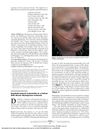 9 citations
,
May 2013 in “JAMA Dermatology”
9 citations
,
May 2013 in “JAMA Dermatology” A woman's hair turned white after taking a cancer drug called dasatinib.
8 citations
,
August 2018 in “BMJ Case Reports” Pazopanib treatment caused rapid hair color loss, possibly indicating its effectiveness.
8 citations
,
December 2007 in “Journal of Thoracic Oncology” Erlotinib can cause significant but temporary hair loss in lung cancer patients.
 7 citations
,
May 2014 in “Clinical practice”
7 citations
,
May 2014 in “Clinical practice” Cooling the scalp may prevent hair loss from chemotherapy, hair often grows back after treatment, and nail issues usually improve after stopping the drug.
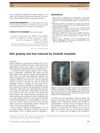 7 citations
,
December 2013 in “The Journal of Dermatology”
7 citations
,
December 2013 in “The Journal of Dermatology” A woman's hair turned gray and fell out after starting a cancer drug called imatinib mesylate.
7 citations
,
January 2009 in “BMJ Case Reports” Gefitinib can cause slower, finer, brittle, and curly scalp hair.
6 citations
,
October 2024 in “Journal of Family Medicine and Primary Care” Primary care doctors need to monitor JAK and TYK-2 inhibitors carefully for skin conditions.
 6 citations
,
November 2023 in “Clinical Pharmacokinetics”
6 citations
,
November 2023 in “Clinical Pharmacokinetics” Ritlecitinib shows promise as a versatile treatment for various autoimmune and inflammatory diseases.
6 citations
,
December 2018 in “Ophthalmic Plastic and Reconstructive Surgery” Afatinib can cause eyelash and eyebrow issues, leading to eye irritation and pain.
5 citations
,
January 2021 in “Indian Journal of Pharmacology” Nilotinib can cause generalized keratosis pilaris.
 5 citations
,
January 2021 in “Dermatology Online Journal”
5 citations
,
January 2021 in “Dermatology Online Journal” An 84-year-old man developed a rare scalp condition from a cancer drug but continued treatment as it was otherwise well tolerated.
4 citations
,
October 2019 in “Skin Appendage Disorders” Gefitinib can cause hair and eyebrow darkening.
4 citations
,
February 2018 in “World journal of surgical oncology” A young woman with kidney cancer experienced rare hair loss from a cancer drug and unusual cancer spread, suggesting early drug treatment might reduce spread and prolong survival.
3 citations
,
January 2025 in “SAGE Open Medical Case Reports” Deucravacitinib helped regrow hair and reduce plaques in a woman with discoid lupus erythematosus without side effects.
2 citations
,
November 2024 in “JAAD reviews.” Certain drugs can change hair color, either lightening or darkening it.
2 citations
,
September 2024 in “Expert Opinion on Drug Metabolism & Toxicology” Ritlecitinib is an effective new treatment for Alopecia Areata.
2 citations
,
June 2024 in “JAAD reviews.” Some drugs can cause permanent hair loss, though it's rare.
 2 citations
,
January 2023 in “International journal of biological sciences”
2 citations
,
January 2023 in “International journal of biological sciences” Gray hair can potentially be reversed, leading to new treatments.
 2 citations
,
June 2005 in “Clinical Oncology”
2 citations
,
June 2005 in “Clinical Oncology” A man's bald spot grew hair after starting cancer treatment with gefitinib.
 1 citations
,
October 2022 in “Дерматовенерология Косметология”
1 citations
,
October 2022 in “Дерматовенерология Косметология” EGFR inhibitors for lung cancer can cause severe skin issues.
1 citations
,
September 2015 Gefitinib treatment led to unexpected hair growth in two lung cancer patients.
1 citations
,
December 2012 in “Journal of dermatological science” Combining ficlatuzumab and gefitinib can cause severe scarring hair loss.
June 2025 in “British Journal of Clinical Pharmacology” Chemotherapy often causes skin and hair issues, but early management can help improve patient care.
 June 2025 in “BMJ Case Reports”
 Axitinib treatment turned a man's grey hair back to black.