1 citations
,
May 2025 in “Cell Reports Medicine” RSPO1 could help create new diabetes treatments by increasing pancreatic β cells.
 January 2023 in “International Journal of Zoological Investigations”
 Certain genetic variations in IL-16 may increase the risk of alopecia areata.
 September 2022 in “Frontiers in genetics”
 A Chinese male with a new genetic mutation has a skin condition and severe urinary issues, with treatments having mixed success.
 April 2019 in “Journal of Investigative Dermatology”
 Non-coding RNA boosts retinoic acid production and signaling, aiding regeneration.
December 2021 in “Figshare” BBS7 is crucial for maintaining healthy gums by regulating important signaling pathways.
 1 citations
,
January 2021 in “Journal of biological chemistry/The Journal of biological chemistry”
1 citations
,
January 2021 in “Journal of biological chemistry/The Journal of biological chemistry” FLCN helps control iron levels in cells.
 46 citations
,
December 2001 in “Journal of Endocrinology/Journal of endocrinology”
46 citations
,
December 2001 in “Journal of Endocrinology/Journal of endocrinology” FLRG and follistatin have different roles in wound healing.
 September 2016 in “Journal of the Egyptian Women's Dermatologic Society (Print)”
 Higher RBP4 levels found in people with two types of hair loss.
 January 2024 in “The Egyptian Journal of Hospital Medicine”
 Men with male pattern baldness have higher levels of A-FABP, which might help in early detection.
 February 2024 in “Experimental Dermatology”
 IGFBP-rP1 could be a new treatment for a common type of hair loss.
May 2005 in “Molecular Carcinogenesis” mrp/plf-mRNA can indicate tumor-promoting effects in skin.
July 2026 in “Pediatric Allergy and Immunology”  39 citations
,
March 2008 in “Journal of biological chemistry/The Journal of biological chemistry”
39 citations
,
March 2008 in “Journal of biological chemistry/The Journal of biological chemistry” GLI2 increases follistatin production in human skin cells.
4 citations
,
November 2024 in “Journal of Advanced Research” Targeting NMMHC IIA may help treat blood-brain barrier damage.
July 2026 in “Journal of Enzyme Inhibition and Medicinal Chemistry” Improved CRBN ligands make protein degraders more effective and drug-like.

The RNA AL136131.3 slows down hair growth and speeds up hair loss by affecting sugar breakdown in hair follicles.
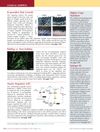 July 2016 in “Journal of Investigative Dermatology”
 R-spondin2 may help treat hair loss, gene differences could explain baldness, a peptide's regulation is linked to psoriasis, B-defensin gene copies may affect a skin condition's risk and severity, and potential markers and targets for alopecia areata were identified.
 April 2017 in “Journal of Dermatological Science”
 B cells can both help and hinder the body's defense against melanoma.
December 2025 in “Journal of 108 - Clinical Medicine and Phamarcy” B blood type has the highest growth factors and cytokines in umbilical cord blood-derived PRP.
 14 citations
,
September 2018 in “The journal of allergy and clinical immunology/Journal of allergy and clinical immunology/The journal of allergy and clinical immunology”
14 citations
,
September 2018 in “The journal of allergy and clinical immunology/Journal of allergy and clinical immunology/The journal of allergy and clinical immunology” A boy's growth and immune problems were caused by a new mutation in the STAT5B gene.
May 2006 in “The Journal of Cell Biology” Keratin 17 is crucial for cell growth in wound healing by aiding protein synthesis.
December 2021 in “Figshare” BBS7 is essential for healthy gums and teeth by supporting cell function and blood flow.
November 2025 in “The Journal of Immunology” BTNL2 helps protect hair follicles from immune attacks, which could aid in treating alopecia areata.
 24 citations
,
July 2017 in “Structure”
24 citations
,
July 2017 in “Structure” FGF9 controls which receptors it binds to through a process where two FGF9 molecules join, and changes in FGF9 can lead to incorrect receptor activation.
 April 2023 in “The journal of investigative dermatology/Journal of investigative dermatology”
 Removing UBE2N from skin cells causes inflammation and immune response, which can be lessened with specific inhibitors.
September 2025 in “Science Advances” PADI4 enzyme slows down cell growth in developing hair follicles.
 November 2018 in “Atlas of genetics and cytogenetics in oncology and haematology”
 WNT10B is linked to cancer development and affects survival and disease progression in various cancers.
36 citations
,
September 1999 in “Journal of Cell Science” Basonuclin may help control ribosomal RNA gene activity in skin cells.
December 2021 in “Figshare” BBS7 is crucial for maintaining periodontal health by supporting Shh signaling.
104 citations
,
July 1994 in “The Journal of Cell Biology” Basonuclin helps keratinocytes multiply and prevents them from fully maturing.