 January 2020 in “Medical journal of clinical trials & case studies”
 A 37-year-old male with severe skin and internal issues has a rare inherited skin condition called dystrophic epidermolysis bullosa.
 32 citations
,
April 2013 in “Anais Brasileiros de Dermatologia”
32 citations
,
April 2013 in “Anais Brasileiros de Dermatologia” The document concludes that inherited epidermolysis bullosa is a challenging genetic condition requiring multidisciplinary care and new treatments.
42 citations
,
September 1990 in “Journal of Investigative Dermatology”  January 2026 in “JOURNAL OF CLINICAL AND DIAGNOSTIC RESEARCH”
 A 62-year-old man with diabetes and kidney disease had itchy skin lesions diagnosed as perforating folliculitis, treated with medication and skin care.
 2 citations
,
December 2017 in “Skin appendage disorders”
2 citations
,
December 2017 in “Skin appendage disorders” An elderly man's non-healing scalp lesion was successfully treated with a strong topical steroid.
May 2020 in “International Journal of Dermatology and Venereology” Calcified epidermal cysts are rare, hard skin nodules that are best treated with surgical removal.
69 citations
,
August 1995 in “Annals of Plastic Surgery” The ultrapulse carbon dioxide laser can effectively resurface skin without scarring.
 1 citations
,
February 2021 in “Gastroenterology”
1 citations
,
February 2021 in “Gastroenterology” A woman with inflammatory bowel disease improved after treatment with ustekinumab for a rare skin condition associated with her disease.
19 citations
,
November 1985 in “Archives of Dermatology” The newborn's skin blisters healed without scarring, leaving some light spots, and stopped forming after four months.
January 2013 in “Open journal of gastroenterology” Ulcerative colitis can cause skin issues due to immune system problems.
33 citations
,
April 2003 in “Oncogene” 8 citations
,
January 2019 in “JAAD Case Reports” EPDS can cause recurring scalp sores and hair loss if not treated.
July 2011 in “Journal of Pediatric and Adolescent Gynecology” A 15-year-old girl has a skin condition causing blisters on her feet, likely inherited from her family.
 July 2022 in “Dermatology Reports”
 A rare scalp condition called Erosive pustular dermatosis is hard to diagnose and treat.
82 citations
,
November 1985 in “Archives of Dermatology” The newborn's skin condition improved over time, leaving only lighter skin patches.
15 citations
,
November 2009 in “Journal of Comparative Pathology” Epidermolysis bullosa in calves was not caused by mutations in the keratin genes bKRT5 and bKRT14.
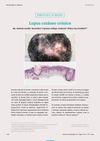 January 2024 in “Revista Dermatológica Centro Uraga”
 The patient has Chronic Cutaneous Lupus, a skin condition causing plaques and hair loss.
 September 2019 in “Journal of Investigative Dermatology”
 Scientists used stem cells to create a model of the skin disease Epidermolysis Bullosa simplex, which helped them understand its molecular mechanisms and could aid in finding treatments.
 April 2018 in “Journal of Investigative Dermatology”
 The new protocol using Cellutome™ and RCM safely assesses wound healing in detail.
6 citations
,
January 2015 in “Indian Dermatology Online Journal” PEODDN is a rare skin disorder with limited treatment options, best treated with laser therapy.
 9 citations
,
July 2021 in “Dermatology and Therapy”
9 citations
,
July 2021 in “Dermatology and Therapy” New treatments for epidermolysis bullosa show promise in improving patients' lives, but a cure is still not available.
January 2007 in “Bristol Research (University of Bristol)” Epidermolysis bullosa in UK calves is not caused by mutations in keratin genes.
33 citations
,
October 2014 in “Veterinary Dermatology” Epidermolysis bullosa is a genetic disease causing fragile skin and blisters in both animals and humans.
34 citations
,
July 2013 in “Clinical Cosmetic and Investigational Dermatology” Erosive pustular dermatosis is a rare skin disease that's hard to treat and affects the scalp or legs.
129 citations
,
July 2019 in “Stem Cell Research & Therapy” Epidermal stem cells help heal severe skin wounds and have potential for medical treatments.
20 citations
,
January 2001 in “Journal of Cutaneous Laser Therapy” Occlusive dressings speed up skin healing after CO2 laser resurfacing.
 2 citations
,
November 2018 in “Cell Stem Cell”
2 citations
,
November 2018 in “Cell Stem Cell” The research found a new way to heal chronic skin ulcers by turning certain cells into skin tissue using specific factors.
2 citations
,
August 2016 in “Journal of Investigative Dermatology” May 2022 in “Portuguese Journal of Dermatology and Venereology” Hair-follicle transplants can heal chronic skin ulcers.