1 citations
,
August 1999 in “ACS symposium series” Polymer JR400 sticks to hair but washes off with detergent.
1 citations
,
January 2023 in “The Egyptian Journal of Hospital Medicine” Combining subcision, PRP, and microneedling effectively treats acne scars with minimal side effects.
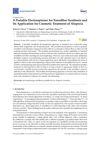 20 citations
,
September 2019 in “Nanomaterials”
20 citations
,
September 2019 in “Nanomaterials” A portable device can create nanofibers to improve the appearance of thinning hair better than commercial products.
14 citations
,
September 2017 in “Clinical and Experimental Dermatology” Systemic photodynamic therapy can effectively treat stubborn folliculitis decalvans with few side effects.
 February 2025 in “International Journal of Cosmetic Science”
 A new amino acid derivative, ATS, improves hair texture and moisture, making it easier to straighten curly hair.
7 citations
,
December 2024 in “International Journal of Pharmaceutics” Dissolving microneedle patches can effectively deliver drugs over time.
 March 2026 in “Research Square”
 Polymer dot nanozymes and exosomes, with laser stimulation, speed up wound healing.
 June 2020 in “Journal of Investigative Dermatology”
 The technique effectively shows how human skin and hair cells form into ball-like structures.
April 2026 in “Biomaterials and Biosystems” Combining exosomes with nanoparticles speeds up healing of diabetic pressure ulcers.
Radiofrequency microneedling improves the absorption of topical triamcinolone acetonide, especially with deeper needle insertion.
32 citations
,
June 2021 in “Frontiers in Pharmacology” The hydrogel speeds up burn wound healing and promotes tissue regeneration.
January 2012 in “Journal of Cosmetics Dermatological Sciences and Applications” Iontophoresis greatly improves skin absorption of certain substances, especially in hairy mice.
6 citations
,
March 2024 in “Saudi Pharmaceutical Journal” The new delivery system could improve pain and inflammation relief in gout.
 March 2026 in “Cosmetics”
 Using enzymes with laser hair removal may reduce unwanted hair growth better than laser alone.
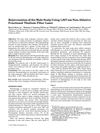 15 citations
,
January 2017 in “Lasers in Surgery and Medicine”
15 citations
,
January 2017 in “Lasers in Surgery and Medicine” Laser treatment improved scalp skin condition with no side effects.
2 citations
,
January 2019 in “Recent Advances in Biology and Medicine” A 5% DMSO and 5% BSA mix best preserves rabbit dermal papilla cells during cryopreservation.
September 2022 in “Pharmacy Today”  1 citations
,
April 2025 in “Cureus”
1 citations
,
April 2025 in “Cureus” Dead Sea water and magnetized saline water can protect skin from UVB damage by activating autophagy.
 February 2025 in “Biomimetics”
 The shampoo straightens hair while keeping it healthy and less damaged.
 1 citations
,
August 2024 in “Polymers”
1 citations
,
August 2024 in “Polymers” The P25H5-O microneedles effectively deliver substances through hair follicles and are safe for skin cells.
25 citations
,
May 2019 in “Cosmetics” 18-MEA and cationic surfactants can restore and maintain hair's hydrophobic nature, improving its beauty and feel.
October 2025 in “International Journal of Cosmetic Science” Conditioners improve hair manageability but don't repair damage.
A new method can quickly and accurately detect illegal chemicals in hair loss products.
 61 citations
,
May 2014 in “International journal of pharmaceutics”
61 citations
,
May 2014 in “International journal of pharmaceutics” Nanocrystals improve skin penetration and stability of caffeine, suggesting a new method for delivering similar substances through the skin.
 July 2024 in “International Journal of Advanced Research in Science Communication and Technology”
 Hibiscus micranthus leaf extract is safe and effective for antibacterial and wound healing.
30 citations
,
January 2009 in “The scientific world journal/TheScientificWorldjournal” Hair is hard to dissolve because of its complex proteins, but certain solvents that break specific bonds and hydrate can do it.
13 citations
,
February 2007 in “Biotechnology and Bioprocess Engineering” 14 citations
,
September 2016 in “Journal of Photochemistry and Photobiology B Biology” UV exposure damages hair, increasing thiols and altering protein structure.
 4 citations
,
November 2018 in “Journal of Pharmaceutical and Biomedical Analysis”
4 citations
,
November 2018 in “Journal of Pharmaceutical and Biomedical Analysis” Roselle flower extracts can protect against free radical damage in UV-irradiated antibiotics.
19 citations
,
October 2023 in “Bioengineering” tSVF is effective for treating inflammation-related conditions, with centrifugation being the best method for isolation.