 12 citations
,
October 2012 in “Dermatologic Clinics”
12 citations
,
October 2012 in “Dermatologic Clinics” Low-Level Laser Therapy and other light treatments for hair growth lack strong evidence and need more research.
5 citations
,
October 2023 in “International Wound Journal” The portable LED device speeds up wound healing.
 2 citations
,
July 2004 in “Proceedings of SPIE, the International Society for Optical Engineering/Proceedings of SPIE”
2 citations
,
July 2004 in “Proceedings of SPIE, the International Society for Optical Engineering/Proceedings of SPIE” Near-infrared laser therapy with Indocyanine Green dye improves acne by reducing inflammation without side effects.
1 citations
,
January 2022 in “Book Publisher International (a part of SCIENCEDOMAIN International)” Hydrogen peroxide is the main risk factor for melanoma in swimmers, not UV light.
4 citations
,
September 2023 in “Journal of Dermatological Treatment” Red and near-infrared light-emitting fabric may help improve psoriasis, PMLE, and alopecia areata.
 December 2025 in “Scientific Reports”
 α-Mangostin can naturally lighten skin by reducing melanin.
 108 citations
,
December 2003 in “Lasers in surgery and medicine”
108 citations
,
December 2003 in “Lasers in surgery and medicine” ICG-enhanced NIR laser therapy may be a promising acne treatment with improvement and no side effects.
33 citations
,
October 2016 in “Photomedicine and laser surgery” Future clinical uses of Intense Pulsed Light (IPL) are likely to grow and become more effective with new advancements and combined treatments.
 25 citations
,
September 2006 in “Birth Defects Research”
25 citations
,
September 2006 in “Birth Defects Research” Different processes create patterns in skin and things like hair and feathers.
10 citations
,
September 2022 in “Journal of Biophotonics” Blue light therapy is safe for skin and may protect against UV radiation.
 34 citations
,
August 2002 in “British Journal of Dermatology”
34 citations
,
August 2002 in “British Journal of Dermatology” ALA-PDT is effective and safe for chronic X-ray dermatitis, providing complete or partial remission.
 14 citations
,
August 2019 in “Clinical and Experimental Dermatology”
14 citations
,
August 2019 in “Clinical and Experimental Dermatology” Combining light therapy, acid, and microneedling improves hair regrowth in stubborn hair loss cases.
3 citations
,
April 2025 in “Advanced Healthcare Materials” Light-activated hyaluronic acid derivatives can enhance skin healing and regeneration.
April 2025 in “Materials Today Bio” A new treatment using gold nanoclusters can safely reduce unwanted hair growth.
29 citations
,
February 2011 in “PloS one” Astressin-B can reverse and prevent hair loss in stressed mice.
 9 citations
,
January 2018 in “Medical research archives”
9 citations
,
January 2018 in “Medical research archives” Low-intensity light therapy is effective for skin healing, reducing inflammation, and treating various skin conditions.
46 citations
,
April 2020 in “Clinical Cosmetic and Investigational Dermatology” Hydroquinone may harm skin, while kojic acid and aloe vera could reduce its negative effects.
35 citations
,
February 2023 in “Biomolecules” Granzyme B is important in autoimmune skin diseases and could be a new treatment target.
25 citations
,
February 2023 in “Aesthetic Surgery Journal” Photobiomodulation is safe for skin rejuvenation, even for those with a cancer history.
 21 citations
,
January 2019 in “Experimental dermatology”
21 citations
,
January 2019 in “Experimental dermatology” Light therapy using helium-neon lasers can help restore skin color in vitiligo by promoting skin cell growth and movement.
11 citations
,
April 2021 in “Journal of Clinical Medicine” The LED device safely improves neck skin appearance without affecting thyroid function.
 2 citations
,
January 2022 in “BioMed Research International”
2 citations
,
January 2022 in “BioMed Research International” LED light therapy at 863 nm wavelength can slow down skin tumor growth and reduce inflammation in mice.
 March 2026 in “Molecules”
 Camellia sinensis seed flavonoids can reduce skin inflammation and damage from UV rays.
March 2024 in “Antioxidants” Excessive blue light harms eye cells and disrupts sleep patterns.
 June 2023 in “International Journal of Clinical Research and Reports”
 Method B with propylene glycol is better for stable low-concentration DPCP solutions for alopecia areata.
 January 2024 in “Editora Científica Digital eBooks”
 Fotobiomodulação uses light to help heal tissues and reduce inflammation.
 3 citations
,
July 2020 in “Frontiers in Cell and Developmental Biology”
3 citations
,
July 2020 in “Frontiers in Cell and Developmental Biology” Vitexin Compound 1 may help reduce skin aging caused by UVA light.
 10 citations
,
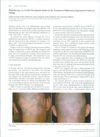
January 2010 in “Acta dermato-venereologica”
10 citations
,
January 2010 in “Acta dermato-venereologica” Light therapy can effectively treat vitiligo and hair loss caused by a specific medication.
1 citations
,
January 2025 in “Regenerative Biomaterials” Exosomes from Pinctada martensii mucus can safely reduce melanin production, offering a new treatment for skin pigment issues.
March 2026 in “Journal of the American Academy of Dermatology” A holistic approach, including diet and stress management, may improve androgenetic alopecia treatment outcomes.