 2 citations
,
October 2016
2 citations
,
October 2016 Chemotherapy and radiotherapy can cause skin side effects like rashes, hair loss, and nail changes, which are usually managed with conservative treatments.
 44 citations
,
January 2002 in “American Journal of Clinical Dermatology”
44 citations
,
January 2002 in “American Journal of Clinical Dermatology” Skin reactions to antidepressants are common but usually not serious and can be treated.
 June 2018 in “Surgical Case Reports”
 S-1 treatment led to a complete response in pancreatic cancer with manageable side effects.
 9 citations
,
May 2021 in “Archives of Dermatological Research”
9 citations
,
May 2021 in “Archives of Dermatological Research” Home-based skin care devices are generally safe and effective for hair removal, promoting hair growth, treating wrinkles and acne, but results for psoriasis treatment are mixed.
 26 citations
,
March 2014 in “Journal of cutaneous medicine and surgery”
26 citations
,
March 2014 in “Journal of cutaneous medicine and surgery” Topical vitamin D is useful for some skin conditions but not effective for others, and more research is needed.
 3 citations
,
July 2020 in “Frontiers in Cell and Developmental Biology”
3 citations
,
July 2020 in “Frontiers in Cell and Developmental Biology” Vitexin Compound 1 may help reduce skin aging caused by UVA light.
26 citations
,
April 1998 in “Journal of Investigative Dermatology” Sunscreens with higher SPF and UVA filters offer the best protection against skin aging from UVA rays.
 January 2017 in “Springer eBooks”
 The document concludes that Cutaneous Lupus Erythematosus has different forms, is influenced by genetic and environmental factors, and can be treated with various medications, but more targeted therapies are needed.
 13 citations
,
April 2016 in “Journal of Dermatology”
13 citations
,
April 2016 in “Journal of Dermatology” 308-nm excimer light therapy helped over a third of treatment-resistant alopecia universalis patients regrow most of their hair.
 13 citations
,
January 2018 in “Cellular Physiology and Biochemistry”
13 citations
,
January 2018 in “Cellular Physiology and Biochemistry” Fat-derived stem cells can help protect and repair skin stem cells from aging caused by UV light.
 July 1980 in “Journal of The American Academy of Dermatology”
 The conference concluded that understanding hair and nail disorders is important, iron deficiency may be linked to hair loss, and while some treatments for skin conditions are effective, they may have risks and high costs.
 4 citations
,
December 2024 in “Clinical Cosmetic and Investigational Dermatology”
4 citations
,
December 2024 in “Clinical Cosmetic and Investigational Dermatology” Combining baricitinib with UV-B therapy effectively treats non-segmental vitiligo and is well-tolerated.
 184 citations
,
October 2007 in “Proceedings of the National Academy of Sciences of the United States of America”
184 citations
,
October 2007 in “Proceedings of the National Academy of Sciences of the United States of America” Sulforaphane from broccoli can help protect skin from sun damage.
 32 citations
,
December 2018 in “Cytokine”
32 citations
,
December 2018 in “Cytokine” Type I interferons play a key role in the development of various skin diseases.
 72 citations
,
June 2019 in “International Journal of Cosmetic Science”
72 citations
,
June 2019 in “International Journal of Cosmetic Science” 18β-glycyrrhetinic acid from licorice root is good for skin and hair treatments but has absorption challenges.
 27 citations
,
June 2015 in “Journal of photochemistry and photobiology. B, Biology”
27 citations
,
June 2015 in “Journal of photochemistry and photobiology. B, Biology” The new lab-grown skin model is good for testing sunscreen's protection against DNA damage from UV light.
 January 2025 in “International Journal of Veterinary Science”
 Hibiscus leaf ointment helps hair growth and reduces UV skin damage in rats.
Different types of sun exposure damage skin cells and immune cells, with chronic exposure leading to more severe and lasting damage.
 January 2011 in “Journal of The American Academy of Dermatology”
 A man developed a painful skin condition after multiple heart procedures involving radiation.
 September 2015 in “British Journal of Dermatology”
 Most clinicians follow discharge guidelines, many lupus patients don't use sunscreen regularly, dithranol is effective for psoriasis, biopsy methods should be based on lesion type, voriconazole may raise skin cancer risk, a new scale can help diagnose female hair loss early, and most melanomas may develop from existing moles.
 144 citations
,
September 2006 in “Clinics in Dermatology”
144 citations
,
September 2006 in “Clinics in Dermatology” Lupus affects the body and skin, causing joint pain and skin issues that can be treated with steroids and antimalarial drugs.
 207 citations
,
January 2011 in “Dermatologic Therapy”
207 citations
,
January 2011 in “Dermatologic Therapy” Laser hair removal is the most requested cosmetic procedure and has become a scientifically-based treatment suitable for all skin types.
1 citations
,
November 2021 in “Journal of General and Family Medicine” Stopping finasteride improved a man's skin rash caused by light exposure.
 9 citations
,
May 2013 in “JAMA Dermatology”
9 citations
,
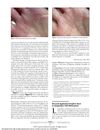
May 2013 in “JAMA Dermatology” Sunlight exposure improved a patient's skin condition, and there may be a link between a certain disease and skin growths; a leukemia treatment caused changes in hair color and growth.
6 citations
,
March 2022 in “International journal of molecular sciences” Natural skincare products may help reduce sun damage and support the skin's daily cycle.
 18 citations
,
December 1996 in “Seminars in Cutaneous Medicine and Surgery”
18 citations
,
December 1996 in “Seminars in Cutaneous Medicine and Surgery” Chemotherapy and cytokine therapy can cause various skin reactions, including hair loss and hypersensitivity.
9 citations
,
July 2015 in “Clinical Cosmetic and Investigational Dermatology” QV Face Rescue Gel effectively soothes sensitive skin and boosts collagen without causing irritation.
 64 citations
,
January 2002 in “American Journal of Clinical Dermatology”
64 citations
,
January 2002 in “American Journal of Clinical Dermatology” Some patients taking antipsychotic medications experience skin reactions, ranging from mild to severe.
 47 citations
,
January 2003 in “American Journal of Clinical Dermatology”
47 citations
,
January 2003 in “American Journal of Clinical Dermatology” Mood stabilizers can cause serious skin reactions; careful monitoring and immediate treatment are crucial.
 19 citations
,
August 2010 in “Journal der Deutschen Dermatologischen Gesellschaft”
19 citations
,
August 2010 in “Journal der Deutschen Dermatologischen Gesellschaft” Certain plant extracts can effectively treat skin conditions like athlete's foot, chronic vein problems, sun damage, skin growths, vitiligo, and hair loss, and may also improve skin appearance.