44 citations
,
November 2022 in “Frontiers in Immunology” TLR-targeted therapies show promise in cancer treatment by helping destroy tumors.
14 citations
,
February 2022 in “The Journal of clinical investigation/The journal of clinical investigation” Scientists made a mouse model of a serious skin cancer by changing skin cells with a virus and a specific gene, which is similar to the disease in humans.
September 2016 in “Journal of Dermatological Science” Hair follicles produce IL-7, which is essential for certain skin lymphoma cells to survive.
September 2019 in “Journal of Investigative Dermatology” IL-17 and certain immune cells are linked to more severe alopecia areata.
 August 2026 in “Bone and Joint Research”
 TTT speeds up diabetic wound healing by mobilizing specific immune cells.
 May 2023 in “Frontiers in Immunology”
 Treg cell-based therapies might help treat hair loss from alopecia areata, but more research is needed to confirm safety and effectiveness.
 1 citations
,
January 2021
1 citations
,
January 2021 CD4+ skin cells may be precursors to basal cell carcinoma.
January 2011 in “Repository KITopen (Karlsruhe Institute of Technology)” Blocking certain proteins on immune cells may help treat alopecia areata.
 88 citations
,
August 2019 in “Nature communications”
88 citations
,
August 2019 in “Nature communications” Researchers found a specific immune receptor in patients that causes severe skin reactions to a drug.
 39 citations
,
May 2004 in “Clinics in Dermatology”
39 citations
,
May 2004 in “Clinics in Dermatology” The document concludes that treatment for cutaneous T-cell lymphoma should be customized to each patient's disease stage, balancing benefits and side effects, with no cure but many patients living long lives.
 11 citations
,
September 1999 in “Journal of the European Academy of Dermatology and Venereology”
11 citations
,
September 1999 in “Journal of the European Academy of Dermatology and Venereology” Immunomodulatory therapies are effective for treating cutaneous lymphoma, particularly in early stages.
May 2017 in “The journal of investigative dermatology/Journal of investigative dermatology” Topical immunotherapy for alopecia areata may work by creating immune cell clusters in the skin.
3 citations
,
January 2017 in “Acta Dermato Venereologica” Lipid-antigen stimulation may play a role in folliculotropic mycosis fungoides.
November 2022 in “Journal of Investigative Dermatology” ILC1-like cells can cause alopecia areata by affecting hair follicles.
 343 citations
,
March 2016 in “Nature Communications”
343 citations
,
March 2016 in “Nature Communications” IL-17-producing γδ T cells help improve bone healing.
18 citations
,
April 2016 in “The journal of immunology/The Journal of immunology” Thymic mesenchymal cells have unique gene expression that supports their specific functions in the thymus.
September 2019 in “Journal of Investigative Dermatology” Innate lymphoid cells type 1 may contribute to alopecia areata.
 30 citations
,
July 2019 in “PloS one”
30 citations
,
July 2019 in “PloS one” Patients with Alopecia areata have fewer specific immune cells that normally regulate the immune system, which may contribute to the condition.
July 2017 in “Cancer Research” Krt15+ cells in mice can resist radiation, regenerate tissue, and start tumors, suggesting new cancer treatment targets.
February 2020 in “Oncology Times” Antibody drug conjugates show promise in targeting cancer cells while reducing harm to healthy cells.
6 citations
,
November 2018 in “American journal of transplantation” UV light helped human hair transplants survive in mice without broad immunosuppression.
 19 citations
,
March 1997 in “Journal of Cutaneous Pathology”
19 citations
,
March 1997 in “Journal of Cutaneous Pathology” Alopecia areata involves specific T-cells, unlike androgenetic alopecia.
 155 citations
,
May 2016 in “Nature communications”
155 citations
,
May 2016 in “Nature communications” Memory T cells in the skin balance staying put and moving into the blood, clustering around hair follicles, and increasing in number after infection.
January 2024 in “Wiadomości Lekarskie” DEC cells show promise as a safe and effective treatment for Duchenne muscular dystrophy.
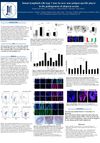
Innate lymphoid cells type 1 may contribute to alopecia areata by damaging hair follicles.
 January 2024 in “Wiadomości Lekarskie”
 CAR-T therapy offers hope for children with hard-to-treat blood cancers.
169 citations
,
February 2018 in “Immunity” Inactive stem cells in hair follicles and muscles can avoid detection by the immune system.
245 citations
,
October 2015 in “Nature medicine” Hair follicle-derived IL-7 and IL-15 are crucial for maintaining skin-resident memory T cells and could be targeted for treating skin diseases and lymphoma.
 June 2026 in “American Journal of Dermatopathology”
 Regulatory T cells play a key role in different types of hair loss.
1 citations
,
May 2023 in “The Journal of Immunology” CD4 T cells can cause alopecia areata by activating CD8 T cells to attack hair follicles.