 7 citations
,
January 2017 in “International Journal of Dermatology”
7 citations
,
January 2017 in “International Journal of Dermatology” Superficial cryotherapy significantly improves eyebrow hair growth in alopecia universalis patients.
 4 citations
,
September 2018 in “The Journal of Dermatology”
4 citations
,
September 2018 in “The Journal of Dermatology” A man's hair regrew from alopecia areata after using tofacitinib and experiencing contact dermatitis from a wig device.
 3 citations
,
November 2009 in “BMC dermatology”
3 citations
,
November 2009 in “BMC dermatology” Dermatologists' treatment of alopecia areata is inconsistent, especially for children and advanced stages.
 2 citations
,
January 2019 in “Dermatology Review”
2 citations
,
January 2019 in “Dermatology Review” Pigmented vellus and upright regrowing hairs predict hair regrowth in severe alopecia.
 1 citations
,
September 2025 in “Clinical Cosmetic and Investigational Dermatology”
1 citations
,
September 2025 in “Clinical Cosmetic and Investigational Dermatology” Upadacitinib is effective and safe for treating severe Alopecia Areata in adolescents.
 1 citations
,
April 2022 in “The Egyptian Journal of Hospital Medicine ”
1 citations
,
April 2022 in “The Egyptian Journal of Hospital Medicine ” Fractional laser therapy may help regrow hair in alopecia areata.
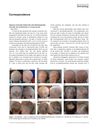 1 citations
,
November 2019 in “International Journal of Dermatology”
1 citations
,
November 2019 in “International Journal of Dermatology” A 6-year-old girl with alopecia universalis regrew most of her hair after treatment with simvastatin/ezetimibe, minoxidil, and prednisolone.
 1 citations
,
April 2019 in “Acta Medica Philippina”
1 citations
,
April 2019 in “Acta Medica Philippina” Azathioprine may help treat severe alopecia areata, but more research is needed.
 1 citations
,
July 2018 in “Elsevier eBooks”
1 citations
,
July 2018 in “Elsevier eBooks” Alopecia Areata is an autoimmune hair loss condition, with various treatments showing mixed effectiveness and no guaranteed cure.
 1 citations
,
December 2017 in “The journal of investigative dermatology. Symposium proceedings/The Journal of investigative dermatology symposium proceedings”
1 citations
,
December 2017 in “The journal of investigative dermatology. Symposium proceedings/The Journal of investigative dermatology symposium proceedings” Treating alopecia areata is difficult due to limited approved treatments, but new therapies like JAK inhibitors show promise.
 February 2026 in “Frontiers in Medicine”
 Topical immunotherapy is still effective for managing alopecia areata, even with new treatments available.
 January 2026 in “Dermatology Online Journal”
 COVID-19 vaccination may be linked to alopecia areata, especially in young adults.
 January 2025 in “International Journal of Research in Medical Science”
 Homeopathy successfully treated complete hair loss in a man.
 January 2025 in “International Journal of Dermatology Venereology and Leprosy Sciences”
 Tofacitinib improved hair regrowth and quality of life in children with alopecia areata, with mild side effects.
 September 2024 in “Archives of Medical Science”
 Alopecia areata is linked to immune system differences, with specific biomarkers like CXCL9 and CXCL10 being key for diagnosis and potential treatment targets.
 April 2024 in “Research Square”
 IBD patients treated with TNF antagonists may develop autoimmune alopecia areata, with severe cases less likely to improve.
 November 2023 in “Laser therapy”
 Trichoscopy is essential for diagnosing and managing alopecia areata in children.
Both treatments for localized alopecia areata are equally effective.
 March 2023 in “PARIPEX INDIAN JOURNAL OF RESEARCH”
 Tofacitinib helped regrow hair in most patients with severe hair loss.
 June 2019 in “Journal of evolution of medical and dental sciences”
 Dermoscopy is useful for tracking alopecia areata treatment, with yellow dots and new vellus hairs being good indicators of hair regrowth.
 January 2019 in “Clinical Dermatology Open Access Journal”
 Combining corticosteroids and non-ablative fractional laser therapy may effectively treat extensive alopecia areata.
 July 2013 in “Our Dermatology Online”
 Minoxidil 2% is more effective than tacrolimus 0.1% for hair regrowth in mild to moderate patchy hair loss, and combining both might give better results.
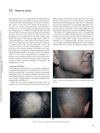 April 2012 in “Informa Healthcare eBooks”
 Alopecia areata is a common autoimmune condition causing varying hair loss, diagnosed by specific patterns of inflammation around hair follicles, with several treatment options available.
The patient with total hair loss did not regrow hair despite treatment, indicating a poor outlook for this type of hair loss.
 61 citations
,
January 2015 in “Indian Journal of Plastic Surgery”
61 citations
,
January 2015 in “Indian Journal of Plastic Surgery” Platelet-rich plasma treatment could potentially be an effective way to treat chronic alopecia areata with minimal side effects.
 8 citations
,
June 2012 in “Australasian Journal of Dermatology”
8 citations
,
June 2012 in “Australasian Journal of Dermatology” A rare form of alopecia causes hair thinning without bald spots and may be more common than thought, responding well to steroid treatment.
 11 citations
,
July 2008 in “International Journal of Dermatology”
11 citations
,
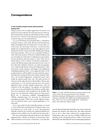
July 2008 in “International Journal of Dermatology” Greying hairs may be protected from alopecia areata.
 10 citations
,
May 1983 in “International Journal of Dermatology”
10 citations
,
May 1983 in “International Journal of Dermatology” Some people with severe hair loss saw hair regrowth after a specific light and drug treatment.
 3 citations
,
January 2019 in “Annals of dermatology/Annals of Dermatology”
3 citations
,
January 2019 in “Annals of dermatology/Annals of Dermatology” Hydroxychloroquine effectively treated twenty-nail dystrophy in a patient with alopecia areata.
 1 citations
,
July 2020 in “Journal of cosmetic dermatology”
1 citations
,
July 2020 in “Journal of cosmetic dermatology” A woman on immunosuppressants developed two rare scalp conditions, which improved with specific treatments.