 7 citations
,
August 2022 in “Experimental dermatology”
7 citations
,
August 2022 in “Experimental dermatology” Blocking YAP/TAZ could be a new way to treat skin cancer.
5 citations
,
April 2024 in “Biology” Improving human hair follicle models is crucial for better hair loss treatments.
5 citations
,
October 2019 in “JAAD Case Reports” These hair loss conditions might be part of a spectrum, not separate issues.
5 citations
,
August 2012 in “Experimental Dermatology” Artemis phosphorylation at Ser516 may help regulate skin and hair structures.
3 citations
,
May 2016 in “Dermatopathology” Lrig1 could be a marker for advanced sebaceous carcinoma.
2 citations
,
January 2019 in “Skin appendage disorders” Early diagnosis and quick treatment improve life quality for FFA patients.
1 citations
,
December 2023 in “Biomolecules” Regulating cell death in hair follicles can help prevent hair loss and promote hair growth.
 March 2026 in “Frontiers in Cell and Developmental Biology”
 Understanding how certain proteins and genetic changes control skin stem cells is key to treating skin diseases.
 February 2026 in “International Journal of Molecular Sciences”
 Removing Lrig1-positive cells in mice leads to temporary loss of sebaceous glands.
 January 2025 in “Clinical Cosmetic and Investigational Dermatology”
 Genetic testing is crucial for diagnosing rare hair loss disorders.
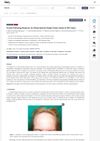
The study concluded that Frontal fibrosing alopecia can affect younger people, is often missed in men, and may be autoimmune-related.
January 2023 in “Dermatologic Therapy” Intralesional corticosteroids and 5-alpha-reductase inhibitors are the best treatments for frontal fibrosing alopecia.
550 citations
,
December 2005 in “The Journal of clinical investigation/The journal of clinical investigation” Researchers successfully isolated and identified key markers of stem cell-enriched human hair follicle bulge cells.
503 citations
,
May 2009 in “Cell stem cell” Lrig1 marks a unique group of stem cells in mouse skin that can become different skin cell types.
479 citations
,
June 2014 in “Science” Epithelial stem cells can adapt and help in tissue repair and regeneration.
129 citations
,
July 2019 in “Stem Cell Research & Therapy” Epidermal stem cells help heal severe skin wounds and have potential for medical treatments.
67 citations
,
June 2019 in “Proceedings of the National Academy of Sciences” A new 3D culture system helps grow and study mouse skin stem cells for a long time.
17 citations
,
May 2021 in “Journal of Cell Science” N1-acetylspermidine promotes hair follicle stem cell self-renewal.
5 citations
,
February 2022 in “Stem cell reports” Thymic stromal lymphopoietin (TSLP) promotes hair growth, especially after skin injury.
 4 citations
,
November 2021 in “Biomedicines”
4 citations
,
November 2021 in “Biomedicines” New digital tools are improving the diagnosis and understanding of irreversible hair loss conditions.
September 2025 in “Journal of Investigative Dermatology” SLC3A2 is crucial for hair follicle stem cell function and hair growth.
 May 2025 in “Journal of Clinical Images and Medical Case Reports”
 Hair transplants can trigger a rare scarring hair loss that is hard to treat.
 January 2025 in “PLoS ONE”
 Elf5 controls skin cell growth and development, making it a potential target for skin treatments.
425 citations
,
June 2020 in “Nature” Scientists created human skin with hair from stem cells, which could help treat hair loss and skin conditions.
 56 citations
,
March 2015 in “Journal of Investigative Dermatology”
56 citations
,
March 2015 in “Journal of Investigative Dermatology” Healthy mitochondria in skin cells are essential for proper hair growth and skin cell interaction in mice.
 1 citations
,
October 2022 in “Annual review of cell and developmental biology”
1 citations
,
October 2022 in “Annual review of cell and developmental biology” The nervous system helps control stem cell behavior and immune responses, affecting tissue repair and maintenance.
 5 citations
,
February 2022 in “Acta Biomaterialia”
5 citations
,
February 2022 in “Acta Biomaterialia” Nanomaterials can improve hair care products and treatments, including hair loss and alopecia, by enhancing stability and safety, and allowing controlled release of compounds, but their safety in cosmetics needs more understanding.
 July 2024 in “Journal of Investigative Dermatology”
 A single medium, PRIME AIRLIFT, supports better human hair follicle formation in grafts.
 December 2021 in “Journal of clinical images and medical case reports”
 Moth-eaten alopecia is linked to various skin diseases and requires early treatment to prevent worsening.
December 2016 in “The journal of investigative dermatology/Journal of investigative dermatology” Hedgehog signaling controls hair follicle development and can affect skin cancer growth.