 September 2025 in “International Journal of Innovative Technologies in Social Science”
 Biologic agents are effective for severe hidradenitis suppurativa when other treatments fail.
 September 2025 in “Ankara Universitesi Eczacilik Fakultesi Dergisi”
 Certain medicinal plants may help treat alopecia areata by promoting hair growth and reducing inflammation.
 August 2025 in “PLoS ONE”
 Improving access to hidradenitis suppurativa care can reduce social disparities.

Scalp psoriasis inflammation is mainly caused by bacteria-related triggers.
 July 2025 in “International Journal of Homoeopathic Sciences”
 Homeopathic treatment improved symptoms and thyroid levels in a woman with subclinical hypothyroidism.
 July 2025 in “International Journal of Dermatology Venereology and Leprosy Sciences”
 Higher stress levels may worsen alopecia areata, suggesting stress management is important for treatment.
 June 2025 in “Saratov Medical Journal”
 Ongoing research and innovation are crucial for improving skin care and treatment.
 June 2025 in “International Journal of Research and Review”
 Unani medicine offers a natural, effective approach to treating hair loss with minimal side effects, but needs more scientific validation.
 May 2025 in “Galen Medical Journal”
 New targeted therapies for psoriasis show promise but face challenges like side effects and treatment resistance.
 April 2025 in “Revista de Ciências da Saúde Nova Esperança”
 Botulinum Toxin Type A effectively treats various conditions with high patient satisfaction and minimal side effects.

Higher apelin-12 levels may indicate more severe acne.
 March 2025 in “Meditsinskiy sovet = Medical Council”
 Diffuse telogen alopecia is temporary hair loss treated by addressing the root cause and improving scalp health.
 January 2025 in “RSC Pharmaceutics”
 Smart microneedles using advanced tech could improve psoriasis treatment.
 January 2025 in “International Journal of Dermatology Research”
 Anagen grow may effectively treat hair loss by blocking testosterone and reducing enzyme activity.
 January 2025 in “Advances in Clinical Medicine”
 Fractional CO2 laser therapy effectively improves skin conditions and recovery when combined with other treatments.
 January 2025 in “International Journal for Research Trends and Innovation”
 PCOS management benefits from combining traditional herbs, modern medicine, and lifestyle changes.
 December 2024 in “Turkish Journal of Forensic Medicine”
 Next-Generation Sequencing improves forensic analysis by providing detailed genetic information quickly.
 December 2024 in “Ankara Universitesi Eczacilik Fakultesi Dergisi”
 Black cumin has many health benefits and potential for new medicines.

COVID-19 pneumonia may cause lasting lung damage like fibrosis.
 October 2024 in “Irish Journal of Medical Science (1971 -)”
 Continuous glucose monitoring and GLP-1 receptor agonists improve diabetes management, but personalized care and education are crucial.
 October 2024 in “Frontiers in Oncology”
 Keratin 18 helps diagnose and predict cancer progression and affects cancer growth and spread.
 October 2024 in “Journal of Education Health and Sport”
 Alopecia areata treatment should be personalized, using topical or systemic therapies based on severity, with promising options like JAK inhibitors needing more research.
 October 2024 in “Revista Científica Dynamikos”
 A hair implant clinic in Bogotá is feasible and can offer affordable treatments for medium-income individuals.
 August 2024 in “International Journal of Basic & Clinical Pharmacology”
 Secretome-based therapies could improve hair growth better than current treatments.

Photobiomodulation improves the quality of life for people with hair loss.
 July 2024 in “ADMET & DMPK”
 Surface-modified nanostructured lipid carriers can improve hair growth treatments.
 April 2024 in “Frontiers in medicine”
 Alopecia Areata significantly lowers quality of life and current treatments are inadequate, highlighting a need for better therapies and standardized treatment protocols.
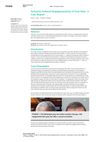
Acitretin treatment unexpectedly darkened a patient's gray hair.
 April 2024 in “Research Square”
 IBD patients treated with TNF antagonists may develop autoimmune alopecia areata, with severe cases less likely to improve.
 April 2024 in “Dermatology and therapy”
 In Denmark from 1995 to 2016, hospital-treated alopecia areata cases increased, mostly affecting women and those over 50.