 11 citations
,
November 2019 in “Journal of the American Academy of Dermatology”
11 citations
,
November 2019 in “Journal of the American Academy of Dermatology” Oral tofacitinib is a promising treatment for beard hair loss in alopecia areata.
13 citations
,
April 2024 in “JAAD Case Reports” Deucravacitinib may effectively treat discoid lupus erythematosus.
 May 2026 in “Journal of the Egyptian Womenʼs Dermatologic Society”
 Intralesional methotrexate effectively treats patchy alopecia areata by reducing inflammation.
 15 citations
,
October 2022 in “Allergy”
15 citations
,
October 2022 in “Allergy” Dupilumab treatment reduces Th2-related markers and helps hair growth in alopecia areata, showing Th2's role in the condition.
 13 citations
,
January 1999 in “Postgraduate Medicine”
13 citations
,
January 1999 in “Postgraduate Medicine” New drugs for rheumatoid arthritis show improvement but have side effects and are not a cure.
1 citations
,
December 2025 in “Journal of the American Academy of Dermatology”  November 2025 in “Clinical Cosmetic and Investigational Dermatology”
 Tofacitinib is effective and safe for treating severe alopecia areata.
20 citations
,
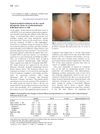
August 2021 in “Clinical and Experimental Dermatology” A skin rash after the AstraZeneca COVID-19 vaccine was treated successfully with medication.
 14 citations
,
July 2012 in “Journal of the American Academy of Dermatology”
14 citations
,
July 2012 in “Journal of the American Academy of Dermatology” Topical tacalcitol ointment can help improve symptoms of EFFC.
25 citations
,
May 2019 in “Biologics” Dupilumab can cause rare side effects like a rash on the face and neck.
 July 2017 in “Nursing2023”
 Actemra is approved for a specific artery condition, HIV treatment adherence has improved, women may pay more for a hair loss product, and incorrect dosing of blood thinners can be risky.
 April 2023 in “Journal of the American Academy of Dermatology”
 Switching between the medications tofacitinib and baricitinib can be effective for treating hair loss in alopecia areata.
 October 2025 in “JEADV Clinical Practice”
 The name Janus is fitting for JAK inhibitors as they revolutionize dermatology treatments.
January 2025 in “Dermatologic Therapy” Baricitinib works better for alopecia areata in patients not previously treated with tofacitinib.
July 2025 in “Journal of Investigative Dermatology” Ritlecitinib reduces alopecia areata symptoms by blocking JAK3/TEC signaling and T-cell activity.
1 citations
,
February 2025 in “International Journal of Dermatology” Abrocitinib may effectively treat Lichen Planopilaris.
April 2025 in “Anais Brasileiros de Dermatologia” Abrocitinib effectively treats severe alopecia areata with significant improvement and no side effects.
15 citations
,
January 2022 in “Immune Network/Immune network” New targeted immunotherapies are improving treatment for inflammatory skin diseases.
 March 2026 in “Biomedicines”
 New treatments like biologics and JAK inhibitors show promise for severe scalp inflammation when traditional methods fail.
4 citations
,
January 2025 in “JAAD reviews.” Janus kinase inhibitors are promising for treating scarring alopecia, but more research is needed for safety and personalized treatments.
 March 2026 in “The American Journal of Managed Care”
 JAK inhibitors can help treat alopecia areata but have risks and high costs.
7 citations
,
January 2017 in “Dermatology Online Journal” TNF-inhibitor induced alopecia can be treated effectively with different therapies.
 August 2019 in “Reactions Weekly”
 Daclizumab may cause psoriasis-like skin problems in multiple sclerosis patients.
30 citations
,
January 2024 in “Frontiers in Pharmacology” These migraine prevention drugs can cause side effects like constipation, hair loss, injection site reactions, fatigue, and sometimes unexpected issues like Raynaud's phenomenon and weight gain.
 56 citations
,
January 2019 in “Lancet”
56 citations
,
January 2019 in “Lancet” JAK inhibitors help regrow hair in alopecia areata patients, improving their quality of life.
6 citations
,
April 2016 in “Australasian journal of dermatology” Renal transplant patients on tacrolimus and sirolimus may develop acne keloidalis nuchae.
July 2024 in “Journal of Investigative Dermatology” JAK inhibitors improve hair growth in alopecia areata, especially in patchy types.
Deuruxolitinib effectively promotes hair regrowth in alopecia areata.
 February 2026 in “Dove Medical Press (Taylor and Francis Group)”
 Upadacitinib can effectively regrow hair in alopecia areata patients without worsening sarcoidosis.
4 citations
,
April 2024 in “Journal of Drugs in Dermatology” Ruxolitinib cream may help treat severe hair loss in children.