 1 citations
,
April 2016 in “CRC Press eBooks”
1 citations
,
April 2016 in “CRC Press eBooks” Skin aging reflects overall body aging and can indicate internal health conditions.
51 citations
,
September 2008 in “Journal of Investigative Dermatology” Vitamin D receptor may help protect against UV-induced skin cancer.
 6 citations
,
August 1993 in “Archives of Dermatology”
6 citations
,
August 1993 in “Archives of Dermatology” The study found that polymorphous light eruption varies among patients and can be distinguished from benign summer light eruption by the time it takes for symptoms to appear after sun exposure.
 20 citations
,
September 2016 in “Journal der Deutschen Dermatologischen Gesellschaft”
20 citations
,
September 2016 in “Journal der Deutschen Dermatologischen Gesellschaft” Germany recognizes skin cancer from UV exposure as an occupational disease, emphasizing prevention and care for affected workers.
 1 citations
,
July 2022 in “International Journal of Environmental Research and Public Health”
1 citations
,
July 2022 in “International Journal of Environmental Research and Public Health” In Poland, people search more for certain skin conditions depending on the season, and despite more STD infections, searches for them have decreased, suggesting a need for better sexual education.
 4 citations
,
November 2018 in “Journal of Pharmaceutical and Biomedical Analysis”
4 citations
,
November 2018 in “Journal of Pharmaceutical and Biomedical Analysis” Roselle flower extracts can protect against free radical damage in UV-irradiated antibiotics.
 31 citations
,
February 2019 in “International Journal of Cosmetic Science”
31 citations
,
February 2019 in “International Journal of Cosmetic Science” Caffeine applied to the scalp can protect hair follicles from UV damage.
 8 citations
,
March 2018 in “Cosmetics”
8 citations
,
March 2018 in “Cosmetics” UV radiation damages hair by creating holes and peeling cuticle layers.
 252 citations
,
January 2008 in “Trends in Endocrinology and Metabolism”
252 citations
,
January 2008 in “Trends in Endocrinology and Metabolism” Melatonin in the skin helps protect against damage from stress and UV rays, and could be used to treat certain skin conditions.
 1 citations
,
January 2012 in “Elsevier eBooks”
1 citations
,
January 2012 in “Elsevier eBooks” The document concludes that the skin is a complex organ providing protection, sensation, and healing, with challenges in treating conditions like itchiness.
 April 2026 in “bioRxiv (Cold Spring Harbor Laboratory)”
 Hair follicles protect melanocytes from sun damage, helping them replenish skin.
January 2026 in “Aging and Disease” The α-MSH-MC1R-cAMP pathway does not protect skin cells from UVA damage.
 March 2026 in “Molecules”
 Camellia sinensis seed flavonoids can reduce skin inflammation and damage from UV rays.
2 citations
,
June 2025 in “Cosmetics” Rosehip oil reduces wrinkles and UV spots and may have antimicrobial benefits.
 70 citations
,
April 2017 in “Lasers in surgery and medicine”
70 citations
,
April 2017 in “Lasers in surgery and medicine” Blue light promotes hair growth by interacting with specific receptors in hair follicles.
35 citations
,
January 2006 in “Cancer Research” Mice with extra PKCδ resist chemical-induced skin cancer but not UV-induced.
 19 citations
,
January 2015 in “Current problems in dermatology”
19 citations
,
January 2015 in “Current problems in dermatology” Ultraviolet rays damage hair, smoking may cause hair loss, and good nutrition is important for hair health, but genetics mainly decide hair thickness.
 6 citations
,
September 2013 in “Advanced materials research”
6 citations
,
September 2013 in “Advanced materials research” Non-ionic silicone emulsion best protects hair color from sunlight.
 33 citations
,
November 2012 in “Journal of The American Academy of Dermatology”
33 citations
,
November 2012 in “Journal of The American Academy of Dermatology” FPHL common in Taiwanese women; risk factors include BMI, high glucose, early puberty, fewer childbirths, oral contraceptives, and UV exposure.
 78 citations
,
September 2008 in “International Journal of Cosmetic Science”
78 citations
,
September 2008 in “International Journal of Cosmetic Science” The document concludes that various clinical methods are used to assess ageing skin and the effectiveness of anti-ageing products.
 4 citations
,
January 2019 in “Dermatologic Therapy”
4 citations
,
January 2019 in “Dermatologic Therapy” Scalp basal cell carcinoma may be more aggressive and harder to treat than other types, requiring special attention and further research.
 23 citations
,
March 2019 in “The journal of investigative dermatology/Journal of investigative dermatology”
23 citations
,
March 2019 in “The journal of investigative dermatology/Journal of investigative dermatology” ATP increases melanin production in skin after UV exposure, with the P2X7 receptor being crucial for this process.
 9 citations
,
May 2013 in “JAMA Dermatology”
9 citations
,
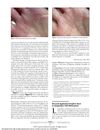
May 2013 in “JAMA Dermatology” Sunlight exposure improved a patient's skin condition, and there may be a link between a certain disease and skin growths; a leukemia treatment caused changes in hair color and growth.
 July 2023 in “Photodermatology, Photoimmunology and Photomedicine”
 Infrared radiation can cause skin aging and cancer at high temperatures but may have therapeutic benefits at controlled levels.
15 citations
,
July 2022 in “Biomedicines” UGRSKIN absorbs UV like native skin after 21-28 days, making it potentially suitable for clinical use.
 December 2019 in “bioRxiv (Cold Spring Harbor Laboratory)”
 Redheaded people have higher levels of a vitamin D precursor, suggesting red hair may be an adaptation for better vitamin D synthesis in areas with less sunlight.
 185 citations
,
February 2018 in “Journal of Investigative Dermatology”
185 citations
,
February 2018 in “Journal of Investigative Dermatology” Melatonin may benefit skin health and could be a promising treatment in dermatology.
 153 citations
,
October 2012 in “Skin Pharmacology and Physiology”
153 citations
,
October 2012 in “Skin Pharmacology and Physiology” Caffeine in cosmetics may reduce cellulite, protect skin, and stimulate hair growth, but more research is needed on its use and effects.
 86 citations
,
June 2017 in “Anais Brasileiros de Dermatologia”
86 citations
,
June 2017 in “Anais Brasileiros de Dermatologia” Antioxidants can benefit skin health but should be used carefully to avoid negative effects.
 76 citations
,
February 2021 in “International Journal of Molecular Sciences”
76 citations
,
February 2021 in “International Journal of Molecular Sciences” Mesenchymal stem cells show potential for skin healing and anti-aging, but more research is needed for safe use, especially regarding stem cells from induced pluripotent sources.