 37 citations
,
May 1999 in “Australasian Journal of Dermatology”
37 citations
,
May 1999 in “Australasian Journal of Dermatology” Early diagnosis and treatment are crucial for preventing permanent hair loss in various scalp conditions, and while new treatments are promising, more research is needed to evaluate their effectiveness.
 1 citations
,
July 2018 in “Elsevier eBooks”
1 citations
,
July 2018 in “Elsevier eBooks” Avoid chemical and physical damage to protect hair.

Men with both baldness and scalp psoriasis often don't have psoriasis on bald spots.
 36 citations
,
November 2005 in “Journal of The American Academy of Dermatology”
36 citations
,
November 2005 in “Journal of The American Academy of Dermatology” Topical latanoprost doesn't effectively regrow hair in severe eyebrow alopecia areata cases.
 195 citations
,
January 2008 in “Photochemistry and Photobiology”
195 citations
,
January 2008 in “Photochemistry and Photobiology” Visible light can damage skin and most sunscreens don't block it well; more research is needed on its effects and protection methods.
 140 citations
,
January 2009 in “JEADV. Journal of the European Academy of Dermatology and Venereology/Journal of the European Academy of Dermatology and Venereology”
140 citations
,
January 2009 in “JEADV. Journal of the European Academy of Dermatology and Venereology/Journal of the European Academy of Dermatology and Venereology” Liposomes improve drug delivery and reduce skin irritation in dermatology.
 132 citations
,
January 2017 in “International Journal of Molecular Sciences”
132 citations
,
January 2017 in “International Journal of Molecular Sciences” Fat-derived stem cells show promise for skin repair and reducing aging signs but need more research for consistent results.
 70 citations
,
July 2016 in “Aging”
70 citations
,
July 2016 in “Aging” Targeting dermal adipocytes may help combat skin aging.
 51 citations
,
December 2011 in “The Journal of Dermatology”
51 citations
,
December 2011 in “The Journal of Dermatology” New treatments for severe hair loss often fail, but some patients see hair regrowth with specific therapies, and treatment should be tailored to the individual's situation.
 31 citations
,
February 2019 in “International Journal of Cosmetic Science”
31 citations
,
February 2019 in “International Journal of Cosmetic Science” Caffeine applied to the scalp can protect hair follicles from UV damage.
 22 citations
,
November 2024 in “Planta”
22 citations
,
November 2024 in “Planta” Aromatic plants can naturally help prevent skin aging and improve skin health.
 22 citations
,
September 2004 in “Journal of The European Academy of Dermatology and Venereology”
22 citations
,
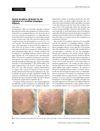
September 2004 in “Journal of The European Academy of Dermatology and Venereology” Bimatoprost can cause longer, thicker, darker eyelashes and eyebrows.
 21 citations
,
January 2012 in “Biological and Pharmaceutical Bulletin”
21 citations
,
January 2012 in “Biological and Pharmaceutical Bulletin” Liposomes and iontophoresis effectively deliver protective enzymes into the skin against UV damage.
 16 citations
,
July 1996 in “Dermatologic Clinics”
16 citations
,
July 1996 in “Dermatologic Clinics” Some psychiatric drugs can cause skin problems, but serious reactions are rare.
 15 citations
,
April 2016 in “Eye”
15 citations
,
April 2016 in “Eye” Finasteride effectively treats central serous chorioretinopathy.
 6 citations
,
September 2013 in “Advanced materials research”
6 citations
,
September 2013 in “Advanced materials research” Non-ionic silicone emulsion best protects hair color from sunlight.
 3 citations
,
October 2024 in “Frontiers in Medicine”
3 citations
,
October 2024 in “Frontiers in Medicine” Sun-exposed skin shows different cell activity and gene expression, suggesting targets to prevent skin aging and cancer.
 2 citations
,
March 2020 in “International Journal of Molecular Sciences”
2 citations
,
March 2020 in “International Journal of Molecular Sciences” Topical treatments can deliver active molecules to skin stem cells, potentially helping treat skin and hair disorders, including skin cancers and hair loss.
 2 citations
,
January 2020 in “BioMed Research International”
2 citations
,
January 2020 in “BioMed Research International” Phaeodactylum tricornutum extract helps hair follicle cells grow by activating the ERK1/2 pathway.
 September 2025 in “Journal of Drug Delivery and Therapeutics”
 Targeting hair follicles can effectively promote hair growth and treat hair disorders.
 September 2025 in “Journal of Science Innovations and Nature of Earth”
 Anthocyanins in berries and purple veggies offer health benefits but need better processing for full use.
 September 2024 in “International Journal of Pharmaceutical Quality Assurance”
 Nanoemulgels improve skin disorder treatment by delivering drugs more effectively and reducing application frequency.
 March 2024 in “GSC Advanced Research and Reviews”
 Different light affects cell functions and can help treat skin conditions.
 January 2018 in “Springer eBooks”
 Terbinafine is the most effective medicine for fungal nail infections, especially for diabetics and those with weak immune systems.

Use the least toxic, most specific treatments for skin diseases, considering side effects and individual patient needs.
 January 2024 in “Pharmacophore”
 Herbal nanocosmeceuticals are more effective and eco-friendly than traditional skincare products.
 129 citations
,
May 2015 in “Cell Stem Cell”
129 citations
,
May 2015 in “Cell Stem Cell” Different types of stem cells exist within individual skin layers, and they can adapt to damage, transplantation, or tumor growth. These cells are regulated by their environment and genetic factors. Tumor growth is driven by expanding, genetically altered cells, not long-lived mutant stem cells. There's evidence of cancer stem cells in skin tumors. Other cells, bacteria, and genetic factors help maintain balance and contribute to disease progression. A method for growing mini organs from single cells has been developed.
 June 2017 in “Journal of The American Academy of Dermatology”
 LED light helps hair follicle cells grow and prevents them from dying by activating certain cell pathways.
 May 2017 in “Journal of The American Academy of Dermatology”
 LED light helps human hair root cells grow and move by activating certain cell pathways.
 May 2017 in “Journal of The American Academy of Dermatology”
 LED light helps human hair root cells grow and prevents them from dying by activating specific growth pathways.