 52 citations
,
January 2001 in “Eye”
52 citations
,
January 2001 in “Eye” Treating cystoid macular oedema in uveitis is difficult and risky.
 March 2026 in “Frontiers in Cell and Developmental Biology”
 Autologous cell-based therapies, especially SVF, effectively and safely improve atrophic acne scars.
 4 citations
,
July 2014 in “International Journal of Dermatology”
4 citations
,
July 2014 in “International Journal of Dermatology” Twins had rare skin cysts likely due to genetics.
 April 2023 in “Journal of Investigative Dermatology”
 Mast cells and the CB1 receptor may be key in causing IgA vasculitis.
 14 citations
,
September 2015 in “Ophthalmic plastic and reconstructive surgery”
14 citations
,
September 2015 in “Ophthalmic plastic and reconstructive surgery” Surgical removal of abnormal fat pads fixed the woman's eyelid issue caused by likely silicone injections.
17 citations
,
December 1994 in “International Journal of Dermatology” Recognizing both trichostasis spinulosa and eruptive vellus hair cysts together is crucial for accurate diagnosis and treatment.
180 citations
,
April 2002 in “Cell Death and Differentiation” 7 citations
,
May 2008 in “Journal of Veterinary Internal Medicine” A cat had a rare severe reaction to fenbendazole, but recovered with treatment.
 63 citations
,
December 1988 in “International Journal of Dermatology”
63 citations
,
December 1988 in “International Journal of Dermatology” Vitiligo causes white skin patches and is linked to autoimmune issues.
 January 2025 in “AAPS PharmSciTech”
 Transethosomes improve drug delivery through the skin and show promise for treating various conditions.
1 citations
,
January 2023 in “Pediatric Dermatology” Early diagnosis and teamwork are crucial for managing ILVASC effectively.
2 citations
,
June 2001 in “Medical Electron Microscopy” Trichilemmal cysts may form from hair follicle outer root sheath growth.
39 citations
,
January 1998 in “Dermatology” Milia, SM, and EVHC may be related conditions, not separate ones.
14 citations
,
July 2022 in “Applied Sciences” Extracellular vesicles can help repair and regenerate tissues with less risk of rejection.
June 2007 in “Taiwan Journal of Ophthalmology” Young patients with Vogt-Koyanagi-Harada syndrome may have poor vision outcomes despite treatment due to frequent recurrences.
1 citations
,
January 2022 in “Journal of veterinary diagnostic investigation” A British Bulldog had a unique viral plaque caused by Canine papillomavirus 18, different from typical tumors.
9 citations
,
August 2002 in “British journal of ophthalmology” The document reports a rare case of ECCL with a new association with optic disc colobomas.
1 citations
,
February 2024 in “Pharmaceutics” Nanovesicles improve drug delivery through the skin, offering better treatment outcomes and fewer side effects.
14 citations
,
November 2018 in “Journal of drug delivery and therapeutics” Ethosomes are effective, safe carriers for delivering drugs through the skin.
 December 2024 in “Cell Communication and Signaling”
 Fat tissue vesicles protect skin from UV damage better than stem cell vesicles.
August 2024 in “Case Reports in Ophthalmology” Older patients with new retinal lesions may have cancer, and local radiation might not stop it from spreading.
 January 2026 in “Journal of Biomedical Research”
 Small extracellular vesicles from stem and immune cells show promise for treating various diseases but face challenges in clinical use.
 November 2023 in “The Bovine practitioner”
 A bull got very sick and had to be put down after eating hairy vetch for months.
 3 citations
,
January 2012 in “Internal Medicine”
3 citations
,
January 2012 in “Internal Medicine” A Rathke's cleft cyst caused hormonal imbalances and symptoms in a 68-year-old woman.
May 2026 in “Frontiers in Immunology” Extracellular vesicles can both worsen and potentially treat atopic dermatitis.
June 2015 in “Sonography” Ultrasound is effective for diagnosing scrotal cysts, and prompt treatment is crucial to prevent severe complications.
 1 citations
,
November 2025 in “Wiener Medizinische Wochenschrift”
1 citations
,
November 2025 in “Wiener Medizinische Wochenschrift” Infectious cerebral vasculitis can be a severe complication of meningoencephalitis, regardless of the pathogen.
49 citations
,
March 1996 in “Experimental Brain Research” 90 citations
,
July 2020 in “Stem Cell Research & Therapy” Stem cell vesicles can reduce skin aging from UVB by lowering inflammation and oxidative stress.
 24 citations
,
September 2008 in “Clinical and experimental dermatology”
24 citations
,
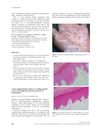
September 2008 in “Clinical and experimental dermatology” Repigmentation in vitiligo may come from melanocyte stem cells in the skin.