71 citations
,
May 2019 in “Rheumatology” Tph cells are linked to the severity of systemic lupus erythematosus.
 April 2023 in “Journal of Investigative Dermatology”
 Higher PD-1 levels are linked to fewer immune cells in hair follicles in alopecia areata.
45 citations
,
September 2012 in “The Journal of Steroid Biochemistry and Molecular Biology” Vitamin D3 and its receptor help protect skin from UVB-related cancer.
November 2024 in “Journal of Investigative Dermatology” γδT cells can protect hair follicles from alopecia areata and promote hair regrowth.
October 1984 in “Immunology Today” January 2019 in “eScholarship (California Digital Library)” Thymus-derived Tregs, not peripherally-derived Tregs, primarily regulate type 1 diabetes in the NOD mouse model.
Higher PD-1 levels mean fewer CD8+ T cells in alopecia areata hair follicles.
Amotosalen-treated donor T-cells can prevent late CMV infection after bone marrow transplants.
 19 citations
,
February 2016 in “Journal of The American Academy of Dermatology”
19 citations
,
February 2016 in “Journal of The American Academy of Dermatology” CD3+ T-cell presence is a reliable marker to tell apart alopecia areata from pattern hair loss.
6 citations
,
January 2005 in “Biology of Blood and Marrow Transplantation” Graft-versus-host disease occurs when donor immune cells attack the recipient's body, causing skin, gut, and liver damage.
1 citations
,
May 2023 in “The Journal of Immunology” CD4 T cells can cause alopecia areata by activating CD8 T cells to attack hair follicles.
 April 2023 in “The journal of investigative dermatology/Journal of investigative dermatology”
 The study suggests that a specific type of immune cell, memory-like NK cells, may increase during active hair loss in Alopecia areata.
57 citations
,
August 1997 in “Pediatrics International” VDDR I and II are genetic disorders affecting vitamin D use, causing rickets, with VDDR I treatable by vitamin D supplements and VDDR II needing high doses and calcium.
 32 citations
,
January 2012 in “Clinical & Developmental Immunology”
32 citations
,
January 2012 in “Clinical & Developmental Immunology” Targeting CD200 could be a new treatment for rheumatoid arthritis.
September 2023 in “Journal of the American Academy of Dermatology” Increased Treg cells and IL-10 may help quick recovery in acute diffuse and total alopecia.
68 citations
,
August 2009 in “American Journal of Medical Genetics Part A” A new classification for trichothiodystrophy helps identify genetic causes and potential treatments.
 27 citations
,
September 1992 in “The Lancet”
27 citations
,
September 1992 in “The Lancet” ICL is a condition with low CD4+ T cells like AIDS but not caused by HIV, and normal CD4+ T cell counts may vary between men and women.
January 2011 in “Junshi yixue” A mouse model for studying scleroderma in chronic graft-versus-host disease was successfully created.
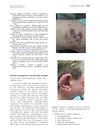
A 72-year-old man was diagnosed with a rare skin form of Rosai-Dorfman disease after years of misdiagnosis.
12 citations
,
September 2014 in “Bone” A vitamin D receptor mutation causes rickets and affects immune responses.
November 2025 in “The Journal of Immunology” BST2 is highly expressed in certain immune cells in alopecia areata, suggesting a role in the disease.
 November 2022 in “The journal of investigative dermatology/Journal of investigative dermatology”
 The study suggests a link between varicella-zoster virus and segmental vitiligo, with evidence of the virus disrupting skin pigment cells.
November 2025 in “Journal of Investigative Dermatology” Certain CD8+ T cells attack hair follicles in alopecia areata, suggesting they could be targeted for treatment.
27 citations
,
August 2021 in “Journal of Autoimmunity” Human dermal γδT-cells respond to stress in hair follicles, contributing to hair loss.
71 citations
,
February 1992 in “Journal of Cutaneous Pathology” Antibodies help identify glycoproteins in normal skin and tumor cells.
16 citations
,
November 2005 in “Journal of Clinical Pathology” CD1d expression in scalp skin and hair follicles changes with the hair cycle and may help protect against microbes.
 January 2021 in “American journal of dermatological research and reviews”
 The muscle damage was caused by T-cell large granular lymphocytic leukemia, not dermatomyositis.
January 2026 in “Pediatrics International” Live vaccines can be safely given to infants with a FOXN1 variant if their immune function improves over time.
IL-1 signaling is crucial for hair follicle stem cell growth and wound healing.
5 citations
,
July 1996 in “Journal of Cutaneous Medicine and Surgery” TTD patients don't have a higher skin cancer risk because their main issue is with transcription, not DNA repair.