Donor lymphocyte infusions effectively treated leukemia relapse but caused vitiligo and alopecia areata.
June 2019 in “Kufa journal for veterinary medical sciences” Vitamin C deficiency causes severe skin problems in newborn dairy calves.
May 2026 in “International Journal of Applied Pharmaceutics” The nanoemulsion of Avicennia marina extract effectively fights dandruff.
 September 2024 in “Journal of the American Academy of Dermatology”
 Sodium citrate causes less pain than acid citrate dextrose-A in PRP therapy.
Ganoderma Lucidum extract and ganoderic acid A can help prevent hair loss.
 17 citations
,
May 2018 in “PeerJ”
17 citations
,
May 2018 in “PeerJ” VB-1, a natural compound, may promote hair growth by enhancing a key cell growth pathway.
August 2017 in “Academic Commons (Stony Brook University)” Acer1 is essential for skin health and affects hair growth and skin cancer risk.
1 citations
,
April 2016 in “Journal of Investigative Dermatology” Targeting specific T cells may help treat alopecia areata.
82 citations
,
January 2011 in “New Phytologist” VILLIN4 helps root hair growth by organizing actin with calcium.
5 citations
,
May 2001 in “Proceedings of SPIE, the International Society for Optical Engineering/Proceedings of SPIE” The DWLSM provides detailed imaging of hair shafts and follicles with high accuracy.
 4 citations
,
March 2002 in “International journal of toxicology”
4 citations
,
March 2002 in “International journal of toxicology” LAAM caused developmental toxicity in tolerant rats without causing birth defects.
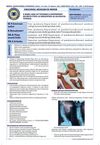 January 2023 in “PARIPEX INDIAN JOURNAL OF RESEARCH”
 Vitamin D Dependent Rickets Type-2A can cause complete hair loss and bone growth issues in infants.
 14 citations
,
February 2021 in “International Journal of Pharmaceutics”
14 citations
,
February 2021 in “International Journal of Pharmaceutics” Deer antler velvet serum helps hair grow and is safe for skin.
January 2024 in “Indian Journal of Psychiatry” Precision neuromodulation may improve schizophrenia symptoms.
31 citations
,
July 2012 in “Journal of Lipid Research” ACBP is crucial for healthy skin in mice.
January 1982 in “Clinical Cosmetic and Investigational Dermatology” Familial dyskeratotic comedones are a rare, inherited skin condition that is hard to treat but may improve slightly with topical retinoids and urea cream.
32 citations
,
December 2017 in “Journal of the American Academy of Dermatology” Alopecia areata patients often have low vitamin D levels.
 59 citations
,
April 2016 in “Breast Cancer Research and Treatment”
59 citations
,
April 2016 in “Breast Cancer Research and Treatment” Targeting vitamin D and androgen receptors may effectively treat triple-negative breast cancer, especially with chemotherapy.
March 2026 in “Journal of the European Academy of Dermatology and Venereology” VESALT improves alopecia areata assessment by including non-scalp areas and is reliable and user-friendly.
January 2019 in “Dermatologica Sinica” Dutasteride improved both hair loss and acne in two young men.
 1 citations
,
May 2019 in “Journal of The European Academy of Dermatology and Venereology”
1 citations
,
May 2019 in “Journal of The European Academy of Dermatology and Venereology” New method, hair distribution width (HDW), improves accuracy in diagnosing androgenetic alopecia (AGA).
February 2020 in “Oncology Times” Antibody drug conjugates show promise in targeting cancer cells while reducing harm to healthy cells.
March 2026 in “The Journal of Steroid Biochemistry and Molecular Biology” Deleting vitamin D and calcium receptors in skin cells increases skin cancer risk by reducing DNA repair and stress response.
April 2026 in “Future Medicinal Chemistry” PROTACs have become a breakthrough in medicine by effectively targeting and degrading specific proteins to treat diseases.
 9 citations
,
January 2018 in “Stem Cells International”
9 citations
,
January 2018 in “Stem Cells International” Deer antler stem cell fluid helps regenerate tissue better than fat-derived stem cell fluid.
 21 citations
,
March 2018 in “Experimental Dermatology”
21 citations
,
March 2018 in “Experimental Dermatology” The guide explains how to study human skin fat cells and their tissue, aiming to improve research and medical treatments.
2 citations
,
January 2008 in “Cuadernos de Psiquiatría comunitaria” Vitamin D and its receptor help regulate skin functions like cell growth, immunity, and hair cycle.
November 2025 in “American Journal of Case Reports” Genetic testing is crucial for diagnosing and treating acrodermatitis enteropathica effectively.
 15 citations
,
July 2023 in “EClinicalMedicine”
15 citations
,
July 2023 in “EClinicalMedicine” ADCs can effectively treat breast cancer but may cause side effects like nausea and hair loss.
 October 2023 in “Benha Journal of Applied Sciences”
 Methotrexate and vitamin D3 are potentially more effective and safer than triamcinolone for treating localized alopecia areata.