Search
for
Sort by
Research
420-450 / 1000+ resultsresearch Effect of thioredoxin reductase 1 on glucocorticoid receptor activity in human outer root sheath cells
Thioredoxin reductase 1 does not affect glucocorticoid receptor activity in hair follicle cells.
research A Mutational Hotspot in the 2B Domain of Human Hair Basic Keratin 6 (hHb6) in Monilethrix Patients
A common mutation in the hHb6 gene is linked to monilethrix, but other factors may also play a role.
research Contributions of peroxisome proliferator-activated receptor β/δ to skin health and disease
PPAR β/δ is important for skin health and disease treatment, but more research is needed.
research Conditional Gene Expression in the Epidermis of Transgenic Mice Using the Tetracycline-Regulated Transactivators tTA and rTA Linked to the Keratin 5 Promoter
The system allows precise control of gene expression in mouse skin, useful for studying skin biology.
research A comprehensive investigation into the molecular mechanism responsible for selective androgen receptor (SARM) tissue-selectivity
SARMs work differently in tissues due to unique interactions and structures.

research Glucocorticoid Receptor Mutants Demonstrate Increased Motility Inside the Nucleus of Living Cells: Time of Fluorescence Recovery After Photobleaching (FRAP) Is an Integrated Measure of Receptor Function
Certain defective glucocorticoid receptor mutants move faster inside cell nuclei and work less effectively.

research Retinol dehydrogenase 12 (RDH12): Role in vision, retinal disease and future perspectives
The enzyme RDH12 plays a role in vision and retinal disease, with mutations leading to early onset visual loss and blindness, but the exact disease mechanism is unclear and there are no treatments yet.
research Discovery of an Androgen Receptor Degrader Featuring a Pyridazinyl Glutarimide CRBN-Binding Motif for Transdermal Treatment of Androgenetic Alopecia
dAR-6–1 is a promising new treatment for hair loss that works better than minoxidil.
research Activation of liver X receptors inhibits experimental fibrosis by interfering with interleukin-6 release from macrophages
Activating liver X receptors can reduce fibrosis by stopping certain immune cells from releasing harmful proteins.

research P.1.g.019 RY-023, an inverse agonist at alpha5 GABAA receptors: the influence on spatial memory and spontaneous locomotor activity
RY-023, a specific drug, can improve early stage memory learning without affecting general activity in rats, but it's less effective for later learning stages and doesn't impact memory recall.

research Conditional Activin Receptor Type 1B (Acvr1b) Knockout Mice Reveal Hair Loss Abnormality
Disrupting Acvr1b in mice causes severe hair loss and thicker skin.
research The pattern recognition receptor toll-like receptor 3 regulates skin barrier homeostasis
Toll-like receptor 3 helps repair the skin barrier after UV damage.
research Unlocking the therapeutic potential of TRPV3: Insights into thermosensation, channel modulation, and skin homeostasis involving TRPV3
TRPV3 is important for skin health and could be a target for treating skin diseases.
research PROTACs in 2025: from the laboratory concept to clinical breakthrough
PROTACs have become a breakthrough in medicine by effectively targeting and degrading specific proteins to treat diseases.

research Using Precise Objectives to Enhance Student Achievement in Health Education.
Precise objectives can improve student achievement in health education.
research Recessive Epidermolysis Bullosa Simplex Phenotype Reproduced in Vitro
Fibroblasts from healthy donors can prevent changes seen in recessive epidermolysis bullosa simplex.
research The heme-responsive PrrH sRNA regulatesPseudomonas aeruginosapyochelin gene expression
PrrH sRNA controls pyochelin gene expression in Pseudomonas aeruginosa based on heme levels.

research 441 RPGRIP1L facilitates desmosomal adhesion through suppressing PKCβII-mediated desmoglein endocytosis: Implication in pemphigus
RPGRIP1L helps skin cells stick together by blocking PKCβII, which can prevent skin blistering like in pemphigus.
research Constitutive Internalization of the Leucine-rich G Protein-coupled Receptor-5 (LGR5) to the Trans-Golgi Network
LGR5 mainly stays inside cells, moving to the trans-Golgi network, and this process is important for its role in cell signaling.

research Successful Treatment of Alopecia Areata with Topical Calcipotriol
A boy with alopecia regrew hair using a vitamin D cream after other treatments failed.

research Modulatory role of vitamins A, B3, C, D, and E on skin health, immunity, microbiome, and diseases
Vitamins A, B3, C, D, and E can improve skin health and immunity.

research Vitamin D3Analogs Stimulate Hair Growth in Nude Mice
Vitamin D3 analogs can promote hair growth in mice genetically prone to hair loss.

research Unveiling the Roots of Monogenic Genodermatoses: Genotrichoses as a Paradigm
New gene identification techniques have improved the understanding and classification of inherited hair disorders.

research Integrative Analysis of Methylome and Transcriptome Reveals the Regulatory Mechanisms of Hair Follicle Morphogenesis in Cashmere Goat
DNA methylation and long non-coding RNAs are key in controlling hair growth in Cashmere goats.

research Skin transcriptome reveals the intrinsic molecular mechanisms underlying hair follicle cycling in Cashmere goats under natural and shortened photoperiod conditions
Changing light exposure can affect hair growth timing in goats, possibly due to a key gene, CSDC2.

research The Epidermal Vitamin D System and Innate Immunity: Some More Light Shed on This Unique Photoendocrine System?
Vitamin D made by the skin plays a role in immune defense and skin health, and more research is needed to understand its full effects.
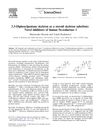
research 3,3-Diphenylpentane skeleton as a steroid skeleton substitute: Novel inhibitors of human 5α-reductase 1
A new compound effectively inhibits human 5α-reductase 1.

research Assessment of Vitamin D Level in Patients of Alopecia Areata
Low vitamin D levels are common in people with Alopecia Areata.

research Polymorphisms in androgen and estrogen receptor genes: effects on male aging
Changes in testosterone and estrogen receptor genes can affect how men age, influencing body fat, hair patterns, and possibly leading to skin disorders.