1 citations
,
March 2013 in “Journal of Dermatological Case Reports” A rare skin condition affected only the facial hair of a 46-year-old man.
 November 2013 in “John Wiley & Sons, Ltd eBooks”
 Skin symptoms can indicate endocrine disorders and have various treatments.
January 2025 in “Indian Dermatology Online Journal” Mycosis fungoides can have unusual symptoms and may be misdiagnosed, but specific cell markers might suggest a lower risk of worsening.
May 2022 in “Portuguese Journal of Dermatology and Venereology” Hair-follicle transplants can heal chronic skin ulcers.
 January 2011 in “Journal of The American Academy of Dermatology”
 Treating generalized granuloma annulare is difficult, with PUVA being the most effective option, but relapses are common.
48 citations
,
November 2022 in “Journal of Cosmetic Dermatology” Skin rashes can help diagnose COVID-19 early.
16 citations
,
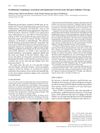
October 2013 in “Anais Brasileiros de Dermatologia” Scalp condition healed with prednisone and tacrolimus.
 17 citations
,
January 2010 in “Acta Dermato Venereologica”
17 citations
,
January 2010 in “Acta Dermato Venereologica” EGFR inhibitors can cause yellowish skin eruptions.
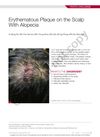
The woman has a scalp condition causing hair loss.
 September 2024 in “BMJ Case Reports”
 An adult had a rare scalp infection in the forehead area, treated successfully with itraconazole.
 March 2014 in “Journal of The American Academy of Dermatology”
 Reflectance confocal microscopy can noninvasively diagnose onychomatricoma by showing unique features different from healthy nails or nail fungus.
66 citations
,
February 2002 in “Veterinary dermatology” Malassezia in cat skin biopsies may indicate internal cancer.
February 2025 in “JDDG Journal der Deutschen Dermatologischen Gesellschaft” Deucravacitinib helped a man regrow hair and improve psoriasis.
4 citations
,
November 2024 in “BMC Ophthalmology” Surgical removal of eyelid mass showed it was non-cancerous, with no recurrence after one year.
47 citations
,
January 1998 in “Molecular Carcinogenesis” ErbB2 signaling is crucial for skin cell growth and cancer development in mice.
22 citations
,
March 2017 in “Transplant Infectious Disease” Leflunomide successfully treated a rare skin condition in a liver transplant patient.
January 2023 in “Indian Dermatology Online Journal” Two newborns with rare skin infections were successfully treated with antifungal cream.
 September 1997 in “Journal of The European Academy of Dermatology and Venereology”
 Skin lymphoproliferative disorders are hard to diagnose and often linked to systemic diseases, but most have a good prognosis with accurate diagnosis.
8 citations
,
January 2017 in “Indian dermatology online journal” Traumatic anserine folliculosis is a skin condition caused by friction, treatable with topical cream and avoiding trauma.

Retinol with polylysine cleared scalp skin growths in 21 days without side effects.
2 citations
,
November 2006 in “Pump Industry Analyst” Pilomatricomas don't follow the usual hair follicle cell differentiation process.
33 citations
,
March 2018 in “Italian Journal of Dermatology and Venereology” Cutaneous lupus erythematosus is a chronic skin disease that can progress to systemic lupus in some cases and requires treatment to prevent recurrences and scarring.
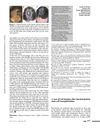 May 2018 in “European Journal of Dermatology”
 Adjusting the medication tacrolimus resolved a boy's red nail beds after a stem cell transplant.
December 2018 in “International journal of women’s dermatology” Early diagnosis and strong corticosteroids are crucial for managing lymphocytic cicatricial alopecia.
14 citations
,
August 2013 in “Journal of Parasitology” Mite infestations severely harm the health of endangered Amargosa voles.
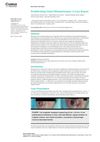
Recognizing and fully removing giant pilomatrixomas is crucial to prevent them from becoming cancerous.
36 citations
,
January 1994 in “Cell and Tissue Research” January 2007 in “Linchuang pifuke zazhi” A 15-year-old boy had a rare skin growth on his buttock.
November 2022 in “Indian Journal of Dermatology” Azole antifungals can cause skin reactions like EAC, requiring careful management.
 August 2010 in “Journal of The American Academy of Dermatology”
 The document explains the diagnosis and characteristics of woolly hair nevus and alopecia neoplastica.