212 citations
,
August 2004 in “Proceedings of the National Academy of Sciences” Hair follicle cells can create new blood vessels in the skin.
26 citations
,
May 1988 in “Pediatric dermatology” Eruptive vellus hair cysts can run in families.
49 citations
,
April 2006 in “Journal of Investigative Dermatology” TRPV1 helps regulate hair growth cycles.
 25 citations
,
August 2015 in “International Journal of Cosmetic Science”
25 citations
,
August 2015 in “International Journal of Cosmetic Science” Malva verticillata seed extract might help treat hair loss by activating hair growth signals in skin cells.
July 2024 in “Journal of Investigative Dermatology” Versican in dermal papilla cells is crucial for healthy hair growth.
 105 citations
,
May 2011 in “The journal of investigative dermatology/Journal of investigative dermatology”
105 citations
,
May 2011 in “The journal of investigative dermatology/Journal of investigative dermatology” Activating TRPV3 stops human hair growth.
38 citations
,
January 1988 1 citations
,
January 2012 in “International journal of trichology” Sheep hair follicle cells can grow a lot but need the dermal papilla to do so.
 3 citations
,
January 2018 in “Annals of Dermatology”
3 citations
,
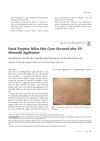
January 2018 in “Annals of Dermatology” A woman developed facial hair cysts after using a 3% minoxidil solution for hair loss, which disappeared after stopping the treatment and removing the cysts surgically.
 23 citations
,
April 2004 in “American Journal of Ophthalmology”
23 citations
,
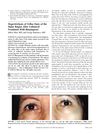
April 2004 in “American Journal of Ophthalmology” Using bimatoprost on one side of the face caused increased cheek hair growth in a patient.
 15 citations
,
March 2004 in “American Journal of Ophthalmology”
15 citations
,
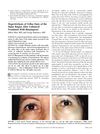
March 2004 in “American Journal of Ophthalmology” Using bimatoprost on one side of the face caused increased cheek hair growth in a patient.
 April 2018 in “Dermatologic Surgery”
 A new surgical technique using vellus hair grafts effectively treated vitiligo without causing unwanted hair growth.
1 citations
,
December 1996 in “Cell Biology and Toxicology”  19 citations
,
January 2013 in “International journal of medical sciences”
19 citations
,
January 2013 in “International journal of medical sciences” Increasing Wnt5a in mice skin delays hair growth but doesn't stop it.
10 citations
,
January 2018 in “International journal of trichology” Eruptive vellus hair cysts are rare and often misdiagnosed, requiring biopsy for accurate diagnosis.
 1 citations
,
September 2023 in “Life science alliance”
1 citations
,
September 2023 in “Life science alliance” Vitamin D Receptor is crucial for hair follicle shrinkage and cell death, affecting hair growth.
 2 citations
,
October 2010 in “Journal of dermatological treatment”
2 citations
,
October 2010 in “Journal of dermatological treatment” External treatments can change hair growth patterns in nude mice.
 1 citations
,
August 2014 in “Asian-Australasian Journal of Animal Sciences”
1 citations
,
August 2014 in “Asian-Australasian Journal of Animal Sciences” Recombinant goat VEGF164 speeds up hair growth in mice.
December 2025 in “Indian Journal of Dermatology” Extraction videodermoscopy is an effective, non-invasive diagnostic tool for eruptive vellus hair cysts.
 September 2017 in “Journal of Investigative Dermatology”
 Certain products and treatments can improve hair health and growth.
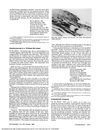 October 1990 in “Archives of Dermatology”
 Hair loss and growth can be accurately measured using computer-assisted counting.
January 2005 in “Di-san junyi daxue xuebao” VEGF can boost hair growth in mice with scleroderma.
 14 citations
,
May 2020 in “Biomolecules & Therapeutics”
14 citations
,
May 2020 in “Biomolecules & Therapeutics” Vanillic acid from wheat bran may promote hair growth by activating certain cell pathways and reversing hormone-related hair loss.
1 citations
,
January 2013 in “China Animal Husbandry & Veterinary Medicine” VEGF increases in goat hair follicles during fetal development, boosting skin blood vessel density.
9 citations
,
January 1998 in “Studia Anglica Posnaniensia: international review of English Studies” Wound-induced hair growth may help study regeneration and aging, but it's unclear if this ability decreases with age.
 13 citations
,
November 1959 in “Annals of the New York Academy of Sciences”
13 citations
,
November 1959 in “Annals of the New York Academy of Sciences” Human hair follicles can grow back.
 15 citations
,
January 2016 in “Biological & Pharmaceutical Bulletin”
15 citations
,
January 2016 in “Biological & Pharmaceutical Bulletin” Bee venom helps hair grow and may work better than some common treatments.
2 citations
,
February 2024 in “Toxins” Bee venom can help stem cells promote hair growth.

Vogt–Koyanagi–Harada disease can cause rare hair growth on normally hairless thumb skin.
192 citations
,
October 1998 in “Experimental Dermatology” Androgenetic alopecia involves complex hair follicle changes and knowledge gaps remain.